New revelations about Prince Andrew's connections to convicted sex offender Jeffrey Epstein have emerged, including evidence that London police officers assigned to the Duke of York were instructed to provide security for a dinner party at Epstein's New York residence in 2010.
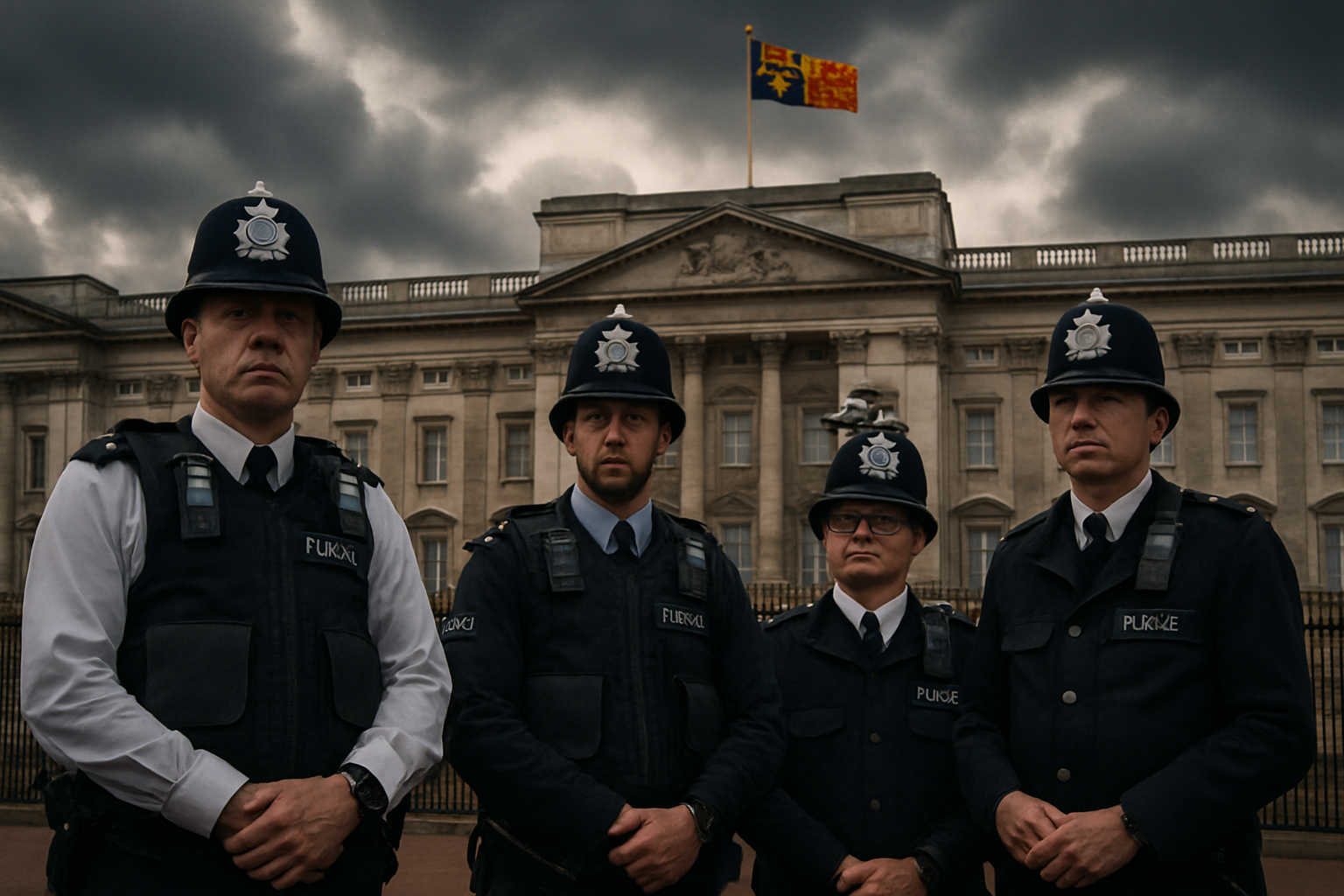
The Sunday Times reported that emails from recently released Epstein files detail arrangements for Andrew Mountbatten-Windsor to stay with the late convicted sex offender in December 2010, accompanied by two protection officers from London's Metropolitan Police force. In an email sent the night before the event with the subject line "Security for party," a staff member informed Epstein that the two officers had been given "instructions on the door."
Metropolitan Police Responds to New Evidence
The Metropolitan Police has stated it has not identified any wrongdoing by its protection officers "at this time," but the revelations have prompted renewed scrutiny of the relationship between Andrew and Epstein. The reports come after police said on Friday they were contacting former protection officers who worked for Andrew, urging anyone with allegations of sex offences relating to Epstein to come forward.
Thames Valley Police are continuing their investigation into Andrew following his historic arrest on February 19, 2026 - his 66th birthday - on suspicion of misconduct in public office. The former Duke of York was released after 11 hours in custody but remains under investigation for allegedly sharing classified government information with Epstein during his tenure as UK Special Representative for International Trade and Investment.
Growing Calls for Succession Removal
The UK government is actively considering legislation to remove Andrew from the royal line of succession, according to multiple politicians and government sources. Defence Minister Luke Pollard confirmed the government is working with Buckingham Palace on what he called the "right thing to do" to prevent Andrew from being a "heartbeat away from the throne."
"Charles has, since coming to the throne in September 2022, been battered by a succession of difficulties and crises, whether it's his own cancer diagnosis or family disputes with Harry and Meghan."
— Royal commentator, speaking to Borneo Post
Such a move would require an Act of Parliament plus extensive consultations with Commonwealth nations where King Charles III serves as head of state. The process would be unprecedented in modern British constitutional history, though it has received 72% public support according to recent polling.
International Investigation Expands
The Andrew investigation forms part of what European law enforcement describes as the "largest international elite criminal network exposure in recent memory." The global probe has affected multiple countries and high-profile figures following the release of over 3 million pages of Epstein documents by the U.S. Department of Justice.
In Albania, revelations have emerged about warnings sent to King Charles in 2019 regarding Andrew's alleged use of the royal family name for business interests through his connections with controversial financier David Rowland. Greek media has extensively covered the scandal's impact on the British monarchy, with biographer Andrew Lownie describing Andrew as having gone from "golden child" to a burden on the Crown.
Constitutional Crisis for the Monarchy
King Charles III issued an unprecedented statement declaring that "the law must take its course" and pledging "full support and cooperation" with authorities investigating his brother. This represents a seismic shift in royal protocol, with the King publicly backing a police investigation against his own brother to preserve institutional integrity over family loyalty.
The investigation continues with ongoing searches of royal properties and questioning of former protection officers about their observations during Andrew's working royal period. Crown Prosecution Service officials are reviewing evidence to determine whether formal charges should be brought.
Historical Significance
Andrew's arrest on February 19, 2026, marked the first time a senior British royal had been detained since King Charles I in 1647, making this the most significant royal legal crisis in 377 years. The allegations center on Andrew allegedly sharing classified Afghanistan intelligence about Helmand province's natural resources with Epstein in December 2010, potentially violating the Official Secrets Act.
The constitutional implications are profound, testing the monarchy's relationship with the rule of law in the 21st century. Unlike some European monarchies with constitutional immunity, British royals can face criminal prosecution, and this case will establish crucial precedents for democratic accountability regardless of royal status.
Ongoing Investigations
Police searches of Andrew's former home on the Windsor estate continued over the weekend, while government ministers have not ruled out a judge-led inquiry into Andrew's links with Epstein. Education Secretary Bridget Phillipson, representing the government, said such an inquiry was premature because of the ongoing police investigation but did not rule it out entirely.
The investigation has expanded to include questioning of protection officers and analysis of government documents from Andrew's time as trade envoy. International cooperation continues across multiple jurisdictions as authorities work to uncover the full extent of networks connected to Epstein.
Royal Family Strategy
The King's calculated decision to support the investigation demonstrates that the monarchy operates within rather than above the law, even at considerable personal and family cost. Andrew has been effectively exiled from royal duties since January 2022, when he was stripped of his titles, patronages, and military affiliations following his civil settlement with Virginia Giuffre.
This crisis represents the most serious challenge to the British monarchy since the 1936 abdication crisis, but unlike that personal choice, this involves potential criminal conduct. The resolution will define King Charles's reign and establish the future relationship between monarchy and democracy in the modern era.
As investigations continue and political pressure mounts, the case serves as a fundamental test of whether democratic institutions can demonstrate equal justice under law while maintaining constitutional monarchy principles. The world is watching Britain's handling of this unprecedented situation as a demonstration of democratic accountability mechanisms in the 21st century.