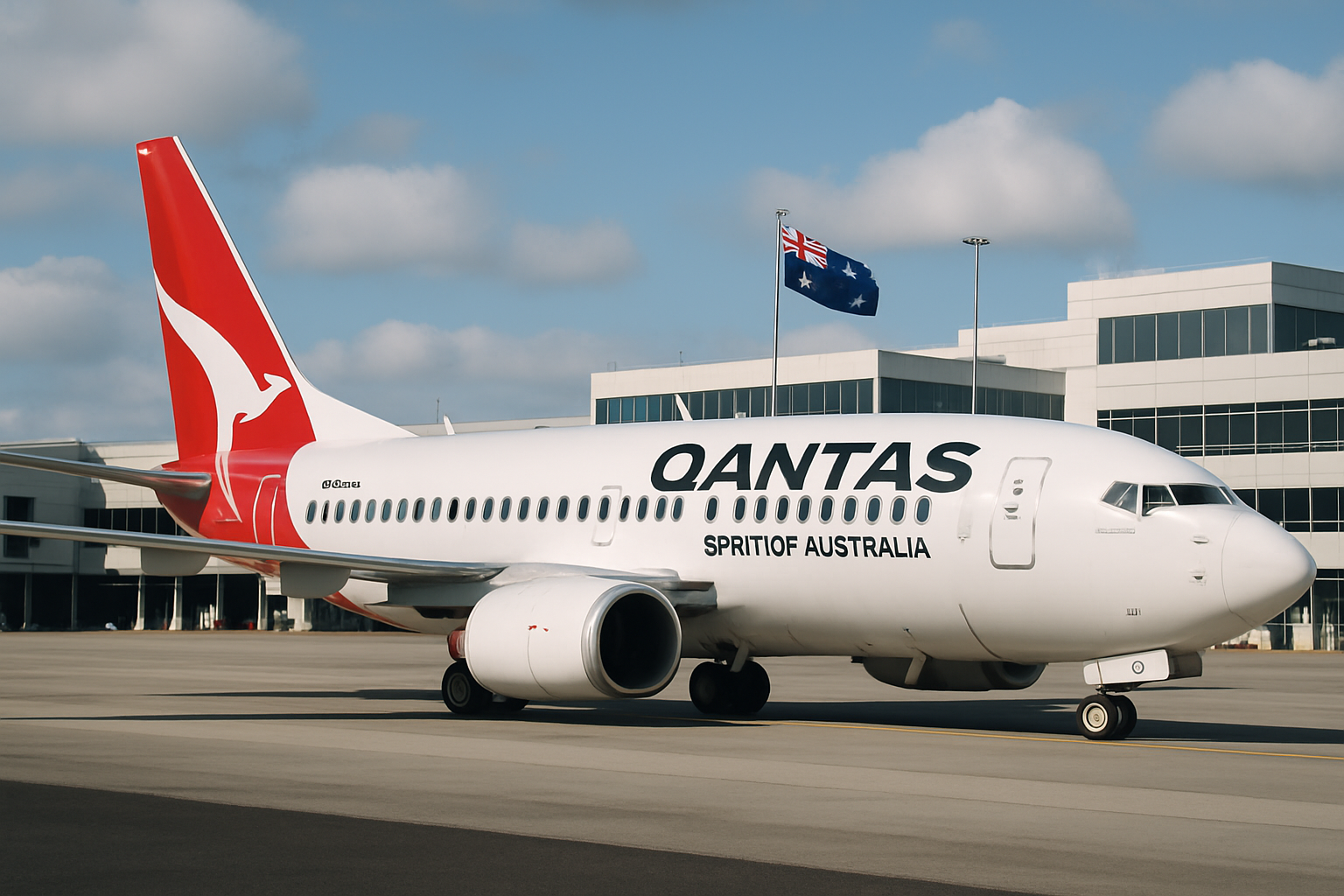
Qantas Airways has agreed to pay $105 million to settle a class action lawsuit brought by passengers over the airline's controversial COVID-19 flight credit policies, marking one of the largest consumer settlements in Australian aviation history.
The settlement, which requires approval from the Federal Court of Australia, comes with "no admission of liability" from the national carrier, according to court documents filed this week. The agreement represents a significant victory for passengers who had their flights cancelled during the pandemic and were issued flight credits instead of cash refunds.
Scope of the Settlement
The class action case, brought by Echo Law Group, covered flights scheduled to depart between January 1, 2020, and November 1, 2022, that were cancelled by Qantas. The legal challenge centered on allegations that the airline breached its contractual obligations regarding passenger refunds during the COVID-19 pandemic.
During this period, Qantas cancelled thousands of flights due to border closures, travel restrictions, and reduced demand. Rather than offering immediate cash refunds, the airline issued flight credits with extended validity periods, a policy that became a significant source of customer frustration and legal scrutiny.
Legal Challenge and Consumer Rights
The class action alleged that Qantas violated consumer protection laws and contractual obligations by not providing cash refunds for cancelled flights. Under Australian Consumer Law and international aviation regulations, passengers are typically entitled to full refunds when airlines cancel services.
Echo Law Group argued that Qantas's credit-only policy placed an unfair financial burden on customers who needed immediate refunds during a period of widespread economic uncertainty. Many passengers faced financial hardship during lockdowns and required cash returns rather than credits for future travel.
"This settlement represents justice for thousands of Australian passengers who were denied their rightful refunds during the most challenging period in modern aviation history."
— Echo Law Group representative
Industry-Wide Impact
The Qantas settlement reflects broader international tensions over airline refund policies during COVID-19. Airlines worldwide faced unprecedented financial pressure as travel restrictions decimated demand, leading many carriers to prioritize preserving cash flow over immediate passenger refunds.
In Australia, Qantas was not the only airline to face criticism for its credit policies. However, as the national carrier with the largest domestic market share, its practices affected hundreds of thousands of passengers and drew the most scrutiny from consumer advocates and regulators.
The Australian Competition and Consumer Commission (ACCC) had previously indicated it was monitoring airline refund practices during the pandemic, though it stopped short of taking direct legal action against major carriers.
Financial and Operational Context
The $105 million settlement amount reflects the significant scale of affected bookings during the pandemic period. Qantas, like airlines globally, faced its most severe financial crisis in corporate history during COVID-19, requiring government support and massive restructuring to survive.
The airline grounded its international fleet for nearly two years and reduced domestic operations by up to 90% at the height of restrictions. During 2020 and 2021, Qantas reported combined losses exceeding $2 billion as travel demand collapsed.
However, Qantas has since returned to profitability as travel demand recovered, reporting strong financial results in recent quarters. This financial recovery likely influenced the airline's decision to settle the case rather than continue lengthy litigation.
Court Approval Process
The proposed settlement now requires Federal Court approval before taking effect. The court will assess whether the agreement is fair and reasonable for all affected class members, a standard requirement for class action settlements in Australia.
Legal experts suggest the court is likely to approve the settlement given its substantial value and the complexity of proving individual damages across thousands of cancelled flights. The approval process typically takes several months and may include opportunities for affected passengers to object to the terms.
Once approved, eligible passengers will be able to claim compensation through a structured process administered by the court and legal representatives.
Broader Consumer Implications
The settlement establishes an important precedent for consumer rights in crisis situations. It reinforces that airlines cannot simply override established refund obligations during emergencies, even when facing severe financial pressure.
Consumer advocates view the outcome as validation that collective legal action can effectively address corporate practices that disadvantage large numbers of customers. The case demonstrates the power of class actions in situations where individual claims might be too small to pursue independently.
For the aviation industry, the settlement serves as a reminder that crisis management strategies must still comply with consumer protection laws and contractual obligations to passengers.
Looking Forward
As the aviation sector continues recovering from COVID-19 impacts, the Qantas settlement provides important guidance for how airlines should handle future disruptions. It emphasizes the importance of transparent communication with passengers and adherence to established refund policies.
The agreement also highlights the ongoing evolution of passenger rights in an increasingly complex travel environment, where global events can rapidly impact airline operations and customer plans.
For Qantas, the settlement allows the airline to close a significant chapter of its pandemic response and focus on rebuilding customer trust as travel demand continues recovering to pre-COVID levels.