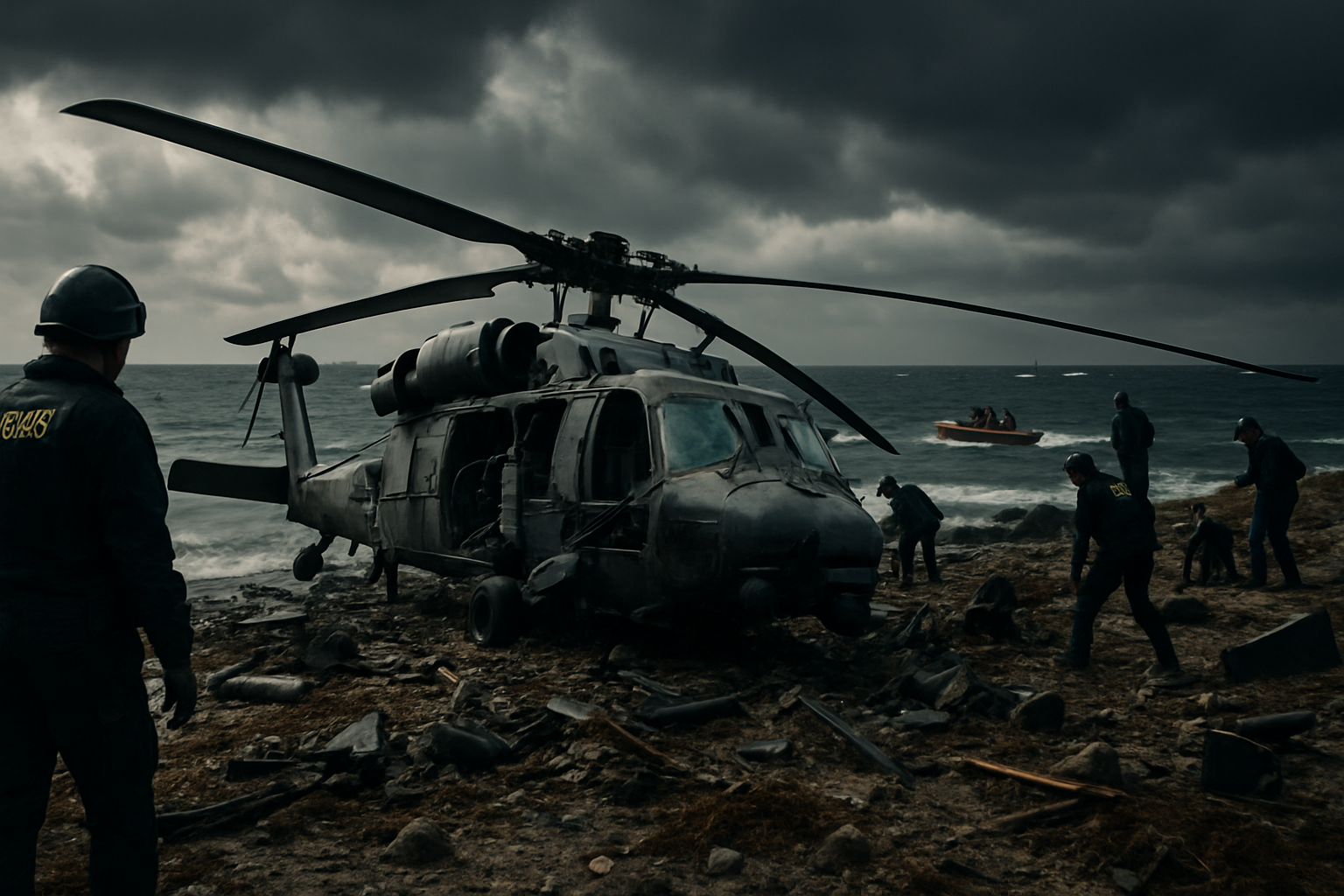
A Qatari military helicopter crashed into territorial waters off the country's coast in what authorities described as a technical failure during routine operations, killing all seven personnel aboard including four Qatari military members and three Turkish nationals.
Qatar's Interior Ministry confirmed Sunday that rescue operations had been completed with all occupants recovered from the crashed aircraft. The victims included one Turkish serviceman and two Turkish military company employees, while the remaining four were members of Qatar's Armed Forces.
"All those who were on board have been found, numbering seven, and their martyrdom has been confirmed," the ministry said in an official statement posted on social media platform X.
International Search and Recovery Operation
The crash prompted an immediate international search and rescue response, with Qatar's Interior Ministry coordinating extensive operations in the country's territorial waters. Initial reports indicated that six of the seven missing personnel had been located and confirmed deceased, with intensive searches continuing for the final individual.
Qatar's Defense Ministry confirmed the incident occurred during what was described as routine military operations, emphasizing that the crash resulted from technical malfunction rather than hostile action. The helicopter was conducting standard flight operations when the technical failure occurred, leading to the aircraft's loss in Qatar's coastal waters.
Technical Failure Under Investigation
Preliminary assessments point to mechanical issues as the primary cause of the crash, though a comprehensive investigation is underway to determine the exact sequence of events. The Qatar Armed Forces have launched a full inquiry into the incident, examining all operational and technical factors that may have contributed to the helicopter's loss.
"The crash resulted from technical failure during routine operations in Qatar's territorial waters."
— Qatar Defense Ministry Statement
The investigation will likely focus on maintenance records, weather conditions at the time of the incident, and mechanical systems performance. Military aviation experts note that helicopter operations over water present unique challenges and risks, particularly when technical malfunctions occur.
Regional Context and Military Cooperation
The presence of Turkish military personnel aboard the aircraft reflects the ongoing military cooperation between Qatar and Turkey, which has strengthened significantly in recent years. This partnership includes training programs, joint exercises, and defense technology sharing agreements.
The incident occurs amid heightened regional tensions and military activities across the Middle East, though authorities emphasized this crash was an isolated technical incident unrelated to broader regional conflicts. Qatar has maintained its military readiness while participating in various international peacekeeping and stability operations.
Aviation Safety Concerns
Military helicopter operations inherently carry significant risks, particularly in challenging operational environments. Recent incidents involving military aircraft across the region have highlighted ongoing concerns about aging fleets, maintenance challenges, and the demanding operational tempo required in current security conditions.
The Qatar incident follows other recent military aviation accidents, including the March 13, 2026 crash of a US KC-135 Stratotanker in western Iraq that killed four crew members. These incidents underscore the persistent risks facing military aviation personnel operating in complex regional environments.
International Response and Condolences
Turkey's government expressed condolences for the loss of its nationals and confirmed it is coordinating with Qatari authorities on repatriation arrangements. The incident has prompted expressions of sympathy from regional allies and international partners.
Both countries have emphasized their commitment to continuing military cooperation while implementing any necessary safety improvements identified through the ongoing investigation. The crash represents a tragic loss for both nations' military communities and highlights the sacrifices made by service members in routine operations.
Operational Impact and Investigation Timeline
Qatar's military operations are expected to continue normally while investigators work to determine the precise cause of the crash. The findings will likely influence future safety protocols and operational procedures for similar aircraft in the Qatari fleet.
The investigation timeline remains uncertain, though preliminary findings may emerge within weeks. Comprehensive analysis of technical systems, maintenance records, and operational factors typically requires several months to complete thoroughly.
This tragic incident serves as a sobering reminder of the risks inherent in military aviation operations and the dedication of service members who undertake these missions to ensure regional security and stability.