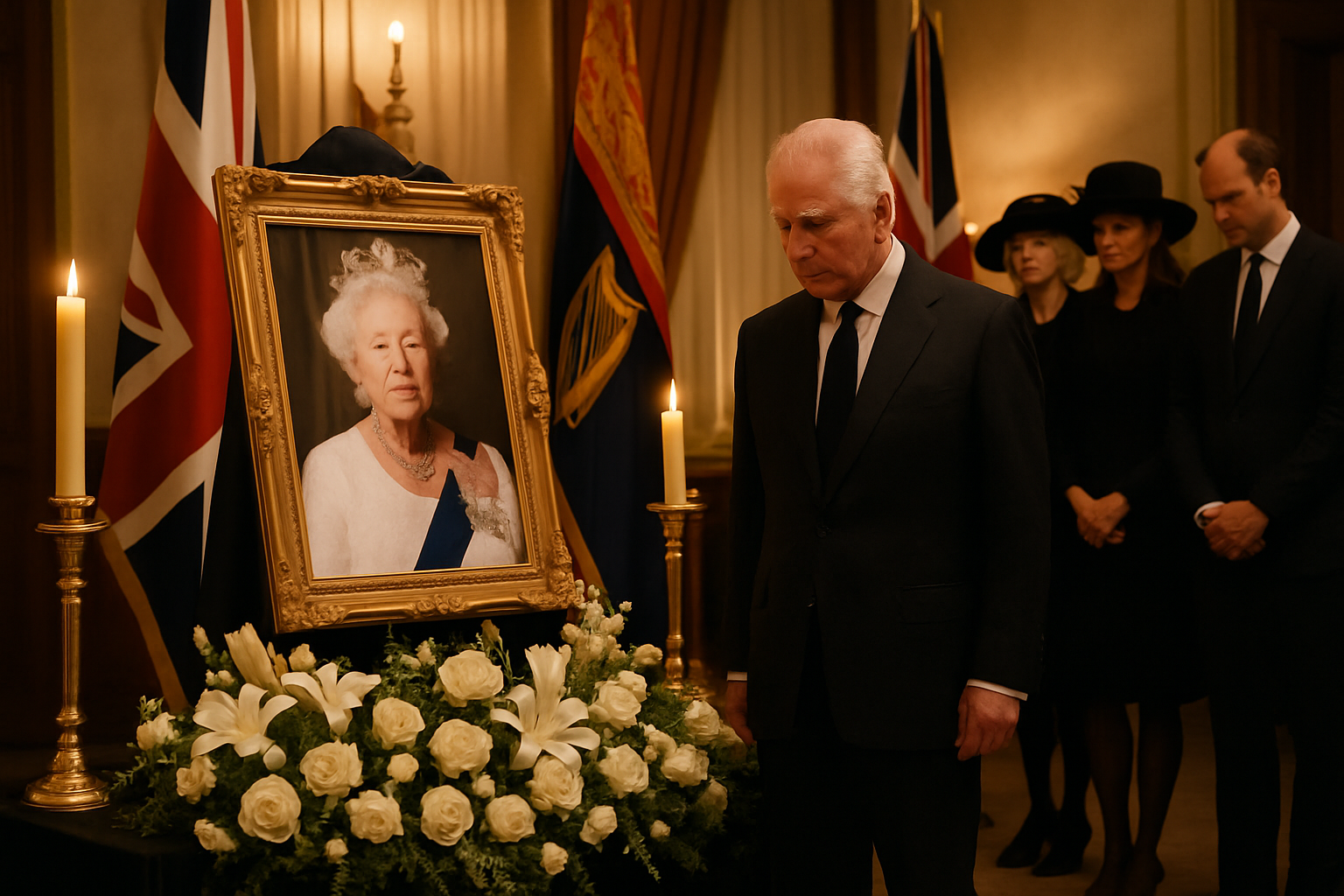
King Charles III paid an emotional tribute to his "darling Mama" as Britain and the Commonwealth marked what would have been Queen Elizabeth II's 100th birthday on April 21, 2026, with the Royal Family leading nationwide commemorations celebrating the late monarch's extraordinary legacy.
The milestone centenary, occurring almost four years after the Queen's death in September 2022, brought together thousands at ceremonial events across Regent's Park in London, where the final design for a permanent statue honoring the late sovereign was unveiled in an atmosphere of profound reverence and gratitude.
Royal Family's Emotional Tribute
Speaking at the central commemoration ceremony, King Charles III delivered deeply personal remarks about his late mother, referring to her affectionately as his "darling Mama" - a term of endearment that underscored the profound personal loss felt by the Royal Family alongside their institutional duties.
"Today we remember not just a Queen, but a mother, grandmother, and great-grandmother whose love, wisdom, and dedication touched countless lives across seven decades of service."
— King Charles III, Centenary Commemoration
The ceremony featured prominent members of the Royal Family, with Princess Anne, Prince Edward, and other senior royals participating in readings and wreath-laying ceremonies that emphasized both the Queen's constitutional role and her profound impact as a family matriarch.
Statue Design Unveiling
The centrepiece of the commemorations was the revelation of the final design for a permanent statue of Queen Elizabeth II, which will be installed in a place of honor within the ceremonial grounds. The sculpture, crafted by renowned British artists, captures the Queen in her later years, reflecting the dignity and grace that characterized her longest reign in British history.
Victoria Arbiter, royal commentator, noted the particular significance of the timing: "This centenary allows us to reflect on the extraordinary life of a woman who witnessed and guided Britain through transformative decades - from the post-war reconstruction to the digital age."
Commonwealth Connections
The commemorations extended far beyond British shores, with Commonwealth nations organizing their own tribute events. Australia, where source coverage originated from the Sydney Morning Herald, held special ceremonies recognizing the Queen's 16 official visits to the country and her enduring connection to Australian society.
From Canada to New Zealand, from Jamaica to South Africa, former Commonwealth realms and continuing monarchies alike participated in the global remembrance, testament to Elizabeth II's unique position as a unifying figure across diverse cultures and continents.
Personal Reflections and Public Memory
The centenary prompted widespread personal reflections from those who had encountered the Queen throughout her reign. Bulgarian sources highlighted international perspectives on her character, emphasizing how even foreign observers recognized her extraordinary dedication to duty and her remarkable ability to inspire both affection and respect across cultural boundaries.
Royal experts noted that while many had felt "nervous" in the Queen's presence, this stemmed not from intimidation but from a profound desire not to disappoint someone universally regarded as embodying the highest standards of public service.
Legacy of Service
The commemorative events underscored Elizabeth II's transformation of the monarchy from a more distant institution into one capable of connecting with ordinary people while maintaining constitutional dignity. Her 70-year reign saw the decolonization process, the evolution of the Commonwealth, and Britain's navigation through numerous political and social changes.
Religious leaders participating in the ceremonies emphasized the Queen's deep Christian faith, which provided the foundation for her understanding of monarchy as service rather than privilege - a principle that continues to guide the institution under King Charles III's reign.
Contemporary Relevance
The centenary celebrations occur during a period of significant change for the Royal Family, with King Charles establishing his own approach to constitutional monarchy while honoring his mother's precedents. Recent challenges, including health concerns within the Royal Family and evolving public expectations of monarchy, make the Queen's example of steady, principled leadership particularly relevant.
Royal biographers noted that Elizabeth II's approach to constitutional crises, her careful political neutrality, and her ability to adapt traditions to contemporary needs provide a template for modern monarchy's continued relevance in democratic societies.
International Recognition
Foreign dignitaries and international media coverage reflected the Queen's unique global status. Even in nations that had moved beyond monarchical systems, recognition of her personal qualities and historical significance transcended political arrangements, acknowledging her as one of the defining figures of the 20th and early 21st centuries.
The BBC's coverage emphasized how the centenary provided an opportunity for national reflection on values of duty, consistency, and service that the Queen embodied throughout her unprecedented reign.
Looking Forward
As the commemorations concluded, attention turned to how Elizabeth II's legacy will continue to influence both the Royal Family and broader British society. The statue unveiling represents a permanent reminder of her contributions, while the emotional tributes from family members demonstrate the ongoing personal impact of her life and example.
King Charles's reference to his "darling Mama" captured the duality that defined Elizabeth II - simultaneously the constitutional monarch who guided Britain through decades of change and the beloved family member whose personal qualities inspired deep affection across generations.
The centenary commemorations serve as both a celebration of an extraordinary life and a recommitment to the principles of service, duty, and dedication that Elizabeth II exemplified throughout her remarkable journey from young princess to beloved sovereign, ensuring her influence continues to resonate far beyond her centenary year.