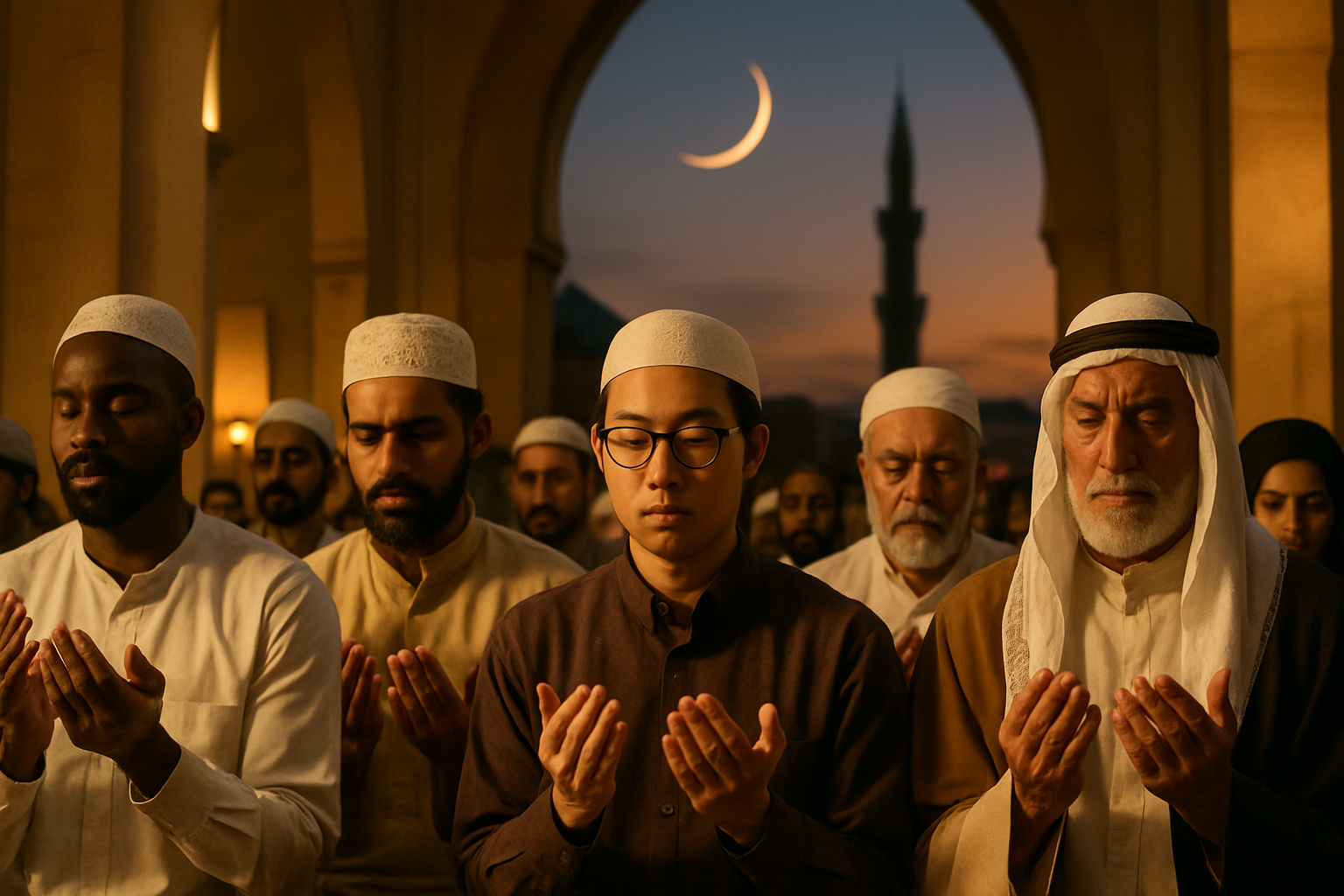
Muslim-majority nations across four continents have launched the most comprehensive Ramadan preparation programs in recent memory, implementing coordinated initiatives spanning food security, infrastructure modifications, and social support measures as the holy month of Ramadan 1447 AH begins February 19, 2026.
From Algeria's deployment of 25,000 mosques nationwide to Malaysia's 1,898 subsidized food distribution sessions, the scale and sophistication of this year's preparations reflect both traditional devotion and modern organizational capabilities serving nearly 2 billion Muslims worldwide.
Infrastructure and Logistics Coordination
Algeria's Ministry of Religious Affairs and Endowments has mobilized all human and material resources through a comprehensive national program announced by Dr. Mohamed Habib Saib, Director of Religious Guidance and Mosque Administration. The initiative, prepared since October 2025, encompasses 11 key areas including material and spiritual aspects designed to reinforce religious values and enhance civic behaviors.
"The sector has mobilized all its human and material resources to welcome Ramadan through an integrated national program," Saib emphasized, highlighting the unprecedented coordination across Algeria's 25,000 mosques.
In practical terms, this has translated to significant infrastructure adaptations. Pakistan's Lahore Development Authority announced revised working hours for the Citizens Facilitation Centre, operating dual shifts from 9 AM to 4 PM Monday through Thursday with specialized Friday schedules accommodating Juma prayers.
Saudi Arabia has set the gold standard for international coordination, announcing special visiting schedules for Al-Rawdah Al-Sharifah at the Prophet's Mosque in Madinah. The General Authority for the Care of the Affairs of the Grand Mosque and the Prophet's Mosque established differentiated time slots for men and women throughout the holy month, with adjusted schedules for the final ten days reflecting increased spiritual activity.
Food Security and Economic Support
Malaysia's approach demonstrates sophisticated economic intervention through the Domestic Trade and Cost of Living Ministry's organization of 1,898 Madani Rahmah Sales Programme sessions nationwide. Minister Datuk Armizan Mohd Ali emphasized these programs as crucial government intervention to ease living costs, particularly for families requiring assistance during iftar preparations and Hari Raya Aidilfitri.
"Expenses will certainly increase, therefore programmes such as PJRM are important as an option for obtaining essential goods at prices lower than the market rate."
— Datuk Armizan Mohd Ali, Malaysian Minister
Pakistan has implemented one of the most substantial financial support mechanisms, with the Economic Coordination Committee approving the immediate release of Rs19 billion for Prime Minister Shehbaz Sharif's Ramadan package. This initiative will benefit over 12 million families—approximately 36 million people—through direct digital payments, representing a significant social safety net during the holy month.
The financial support extends to practical religious obligations, with Pakistani authorities releasing updated Zakat rates for gold and silver to help Muslims calculate charitable obligations. For 24-karat gold, the rate has been set at Rs500,000 per tola, resulting in Zakat amounts of Rs12,500 per tola.
Health and Cultural Adaptations
Burkina Faso's approach reflects the unique challenges faced by Sahel nations, where Ramadan observance must account for extreme heat and challenging climatic conditions. Nutrition experts emphasize the critical importance of hydration and avoiding excessive fried foods, recognizing that fasting in temperatures exceeding 40°C requires careful dietary management.
"In our Sahelian context, fasting can be demanding, especially with long days and high temperatures," noted local health officials, highlighting the need to balance spirituality with health considerations and food security realities.
Egypt's cultural sector has also adapted, with the Egyptian Opera announcing comprehensive artistic and cultural programs throughout Ramadan under the patronage of Minister of Culture Dr. Jihan Zaki. This cultural programming reflects the broader integration of religious observance with national cultural expression.
Security and Community Safety
Security preparations have been equally comprehensive, with Punjab Chief Minister Maryam Nawaz Sharif directing enhanced security measures across the province. The directive includes foolproof security at mosques, imambargahs, and places of worship, with deployment of additional personnel at bazaars, markets, and public spaces.
The security framework encompasses installation and monitoring of CCTV cameras, walkthrough gates, and searchlights, alongside intensified police patrolling and search operations. Sensitive locations will implement three-layer security plans for Friday congregations and Tarawih prayers.
International Diplomatic Recognition
The global nature of Ramadan preparations has attracted international diplomatic attention. Guyana's President Dr. Mohamed Irfaan Ali issued a message urging all Guyanese to make compassion a defining national value, calling on citizens to ensure the nation's growing wealth translates into care for the vulnerable.
"Make compassion a national habit," President Ali declared, emphasizing the universal values that Ramadan represents even in nations with diverse religious populations.
Tunisia's President Kais Saied extended congratulations from the historic Zitouna Mosque, demonstrating the continued importance of traditional religious sites in modern political expression.
Building on Historical Success
These 2026 preparations build on the proven success of previous years' international coordination. Saudi Arabia's track record includes the distribution of 2.2 million Quran copies to 120 countries, 1,000 tons of dates, and deployment of 91 imams to 49 countries—representing unprecedented religious diplomacy supporting global Muslim communities.
The sophisticated coordination extends to educational institutions, with modified class schedules from 9-10 AM versus earlier hours, accommodating decreased energy levels during fasting while maintaining academic continuity. Egypt has extended business hours until 2:00 AM, recognizing altered consumption patterns and evening social activities following iftar.
Technology Integration and Modern Adaptation
Modern technology plays an increasingly crucial role in facilitating global Ramadan observance. Mobile applications for prayer times, Quranic recitation, and charitable giving enable diaspora participation across diverse time zones and cultural contexts. This synthesis of traditional spiritual practices with contemporary technological capabilities demonstrates Islam's adaptability to modern circumstances while maintaining core spiritual objectives.
The coordination success provides a template for international religious cooperation, combining government accommodations, religious institutional leadership, community organizations, and individual commitment to create comprehensive support systems for religious observance.
Challenges and Opportunities
Despite the comprehensive preparations, challenges remain. Global supply chain disruptions, economic pressures from inflation, and ongoing regional conflicts create additional complexity for Ramadan observance in 2026. However, the sophisticated response demonstrates the international Muslim community's resilience and capacity for innovation in maintaining religious traditions under challenging circumstances.
The month of Ramadan, continuing through March 19, 2026, and concluding with Eid al-Fitr, emphasizes spiritual purification, increased charitable giving (zakat), enhanced community bonds, and social solidarity. The unprecedented coordination across dozens of nations represents a remarkable achievement in international cooperation, demonstrating how ancient spiritual traditions can find meaningful contemporary expression through coordinated global effort.
As the faithful begin their daily fasts from dawn to sunset, the extensive preparations ensure that both spiritual and practical needs are met, creating an environment where the holy month's deeper purposes of reflection, charity, and community building can flourish across diverse cultural and economic contexts worldwide.