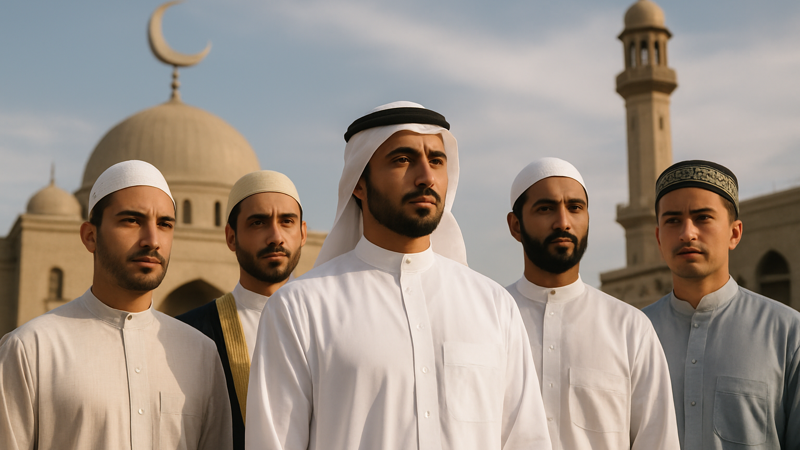
Muslim-majority nations across the Middle East and Central Asia are implementing comprehensive preparations for the holy month of Ramadan, with governments announcing adjusted work schedules, extended business hours, and enhanced social welfare programs to accommodate the religious observance expected to begin February 17, 2026.
The coordinated preparations span multiple countries, reflecting the significant logistical and administrative considerations required to support millions of fasting Muslims during the month-long religious observance. From Algeria's educational sector adaptations to Uzbekistan's presidential decree on social support, governments are demonstrating systematic approaches to facilitating religious practice while maintaining essential services.
Algeria Adjusts Educational Schedules
Algeria's Ministry of National Education issued comprehensive guidelines for educational institutions during Ramadan, establishing standardized working hours from 8:30 AM to 3:00 PM across all regions of the country. The directive, based on communication from the General Directorate of Public Service and Administrative Reform, represents a coordinated effort to accommodate the physical demands of fasting while maintaining educational continuity.
The adjusted schedule affects thousands of educational institutions nationwide, demonstrating Algeria's systematic approach to balancing religious observance with academic requirements. This adaptation recognizes the challenges faced by students and educators who must maintain concentration and energy levels while fasting from dawn to sunset.
Egypt Extends Business Operating Hours
Egypt's Minister of Local Development and Environment, Manal Awad, announced revised closing times for commercial establishments during Ramadan and Eid Al-Fitr. Under the new regulations, shops, shopping centers, restaurants, cafes, and bazaars will remain open until 2:00 AM daily, providing extended opportunities for citizens to conduct business and socialize during the evening hours when fasting is broken.
"This decision aims to provide an appropriate atmosphere for citizens during Ramadan while maintaining a balance between economic activity and public order."
— Manal Awad, Egyptian Minister of Local Development and Environment
The extended hours recognize the altered daily rhythms during Ramadan, when many activities shift to evening and nighttime hours after the daily fast is broken at sunset. However, workshops located within residential areas must close at 10:00 PM to respect community quiet hours, with exceptions for facilities on main roads or at petrol stations.
Kuwait's Leadership Extends Greetings
Kuwait's Amir issued greetings to both Kuwaiti citizens and expatriate communities ahead of Ramadan, reflecting the inclusive approach many Gulf states take toward the religious observance. The gesture acknowledges the significant expatriate population in Kuwait and demonstrates the country's commitment to fostering unity during the holy month.
This diplomatic outreach illustrates how Ramadan preparations extend beyond logistical arrangements to encompass social cohesion and community building across diverse populations in Muslim-majority countries.
Saudi Arabia Integrates Cultural Celebrations
Saudi Arabia's Minister of Media, Salman Al-Dossary, announced that this year's Founding Day celebrations will reflect the spirit of Ramadan through high-quality educational and cultural programs. The integration demonstrates Saudi Arabia's approach to harmonizing national celebrations with religious observance.
Al-Dossary emphasized that humanitarian aid represents the Kingdom's enduring approach and universal language, noting that national decisions are guided by careful assessment of current opportunities and strategic focus on projects delivering the greatest economic return. This alignment of development goals with Ramadan's emphasis on charity and community service reflects the Kingdom's broader Vision 2030 objectives.
Uzbekistan's Presidential Decree on Social Support
Uzbekistan President Shavkat Mirziyoyev demonstrated the most comprehensive governmental approach, holding a dedicated meeting focused on strengthening social protection for those in need during Ramadan. The February 16 meeting resulted in a presidential decree titled "On the Worthy Observance of the Holy Month of Ramadan."
The decree represents Uzbekistan's systematic effort to ensure that vulnerable populations receive adequate support during the holy month, when charitable giving (zakat) is emphasized as one of the fundamental pillars of Islamic practice. This governmental coordination of social welfare programs illustrates how state institutions can complement traditional religious charity mechanisms.
Regional Coordination and Historical Context
These 2026 preparations build upon extensive coordination established in previous years. According to documented preparations for Ramadan 1447 AH, Saudi Arabia has historically launched massive international programs, distributing 2.2 million Qur'an copies and translations to 120 countries, along with 1,000 tons of dates to support Muslim communities worldwide.
The Kingdom has also dispatched 91 imams to 49 countries for prayers and religious guidance, representing unprecedented international religious diplomacy scale. This global outreach demonstrates how Ramadan preparations extend beyond national borders to support international Muslim communities.
Economic and Social Implications
The comprehensive nature of these preparations reflects the significant economic and social impact of Ramadan observance. The adjusted schedules and extended business hours accommodate the altered consumption patterns during the holy month, when food purchases often shift to evening hours and social activities increase after the daily fast is broken.
Educational adaptations recognize that students and teachers may experience decreased energy levels during daylight fasting hours, while the extended commercial hours acknowledge increased economic activity during evening iftar and suhoor periods. These adjustments demonstrate sophisticated understanding of how religious practice intersects with daily life in Muslim-majority societies.
Technology Integration
Modern Ramadan preparations increasingly incorporate technological solutions, with mobile applications for prayer times, Qur'an recitation, and charitable giving facilitating observance across diverse time zones and cultural contexts. This technology-tradition synthesis maintains spiritual objectives while adapting to contemporary circumstances.
Community Welfare Focus
The emphasis on social support, particularly evident in Uzbekistan's presidential decree, reflects Ramadan's traditional focus on charity and community care. Government programs complement traditional religious obligations, ensuring comprehensive support systems for vulnerable populations during the holy month.
Pakistan Social Club Muscat's campaign supporting 100 low-income families exemplifies community-driven initiatives that supplement governmental efforts, providing 16 essential food items for families throughout Ramadan. Such initiatives demonstrate how religious observance catalyzes broader social welfare activities.
International Cooperation and Cultural Exchange
The global coordination of Ramadan preparations represents remarkable international cooperation scale, spanning over 120 countries through Saudi Arabia's religious text and date distribution programs. This cultural diplomacy strengthens international relationships while supporting Muslim communities worldwide.
International media coverage, including Mexican outlets providing comprehensive Ramadan explanations, contributes to global awareness of Islamic practices and promotes cross-cultural understanding. Such coverage helps non-Muslim populations appreciate the significance of Ramadan observance and its impact on Muslim communities.
Looking Ahead
The 2026 Ramadan preparations serve as a potential model for future religious observances in an interconnected world. The coordination between governments, religious institutions, educational systems, and community organizations represents a sophisticated approach to facilitating religious practice while maintaining social and economic stability.
As these preparations culminate in the beginning of Ramadan on February 17, 2026, the extensive governmental and community efforts demonstrate how ancient spiritual traditions continue to find meaningful expression in contemporary global contexts. The success of these coordinated preparations will likely influence approaches to religious accommodation and community support in years to come.