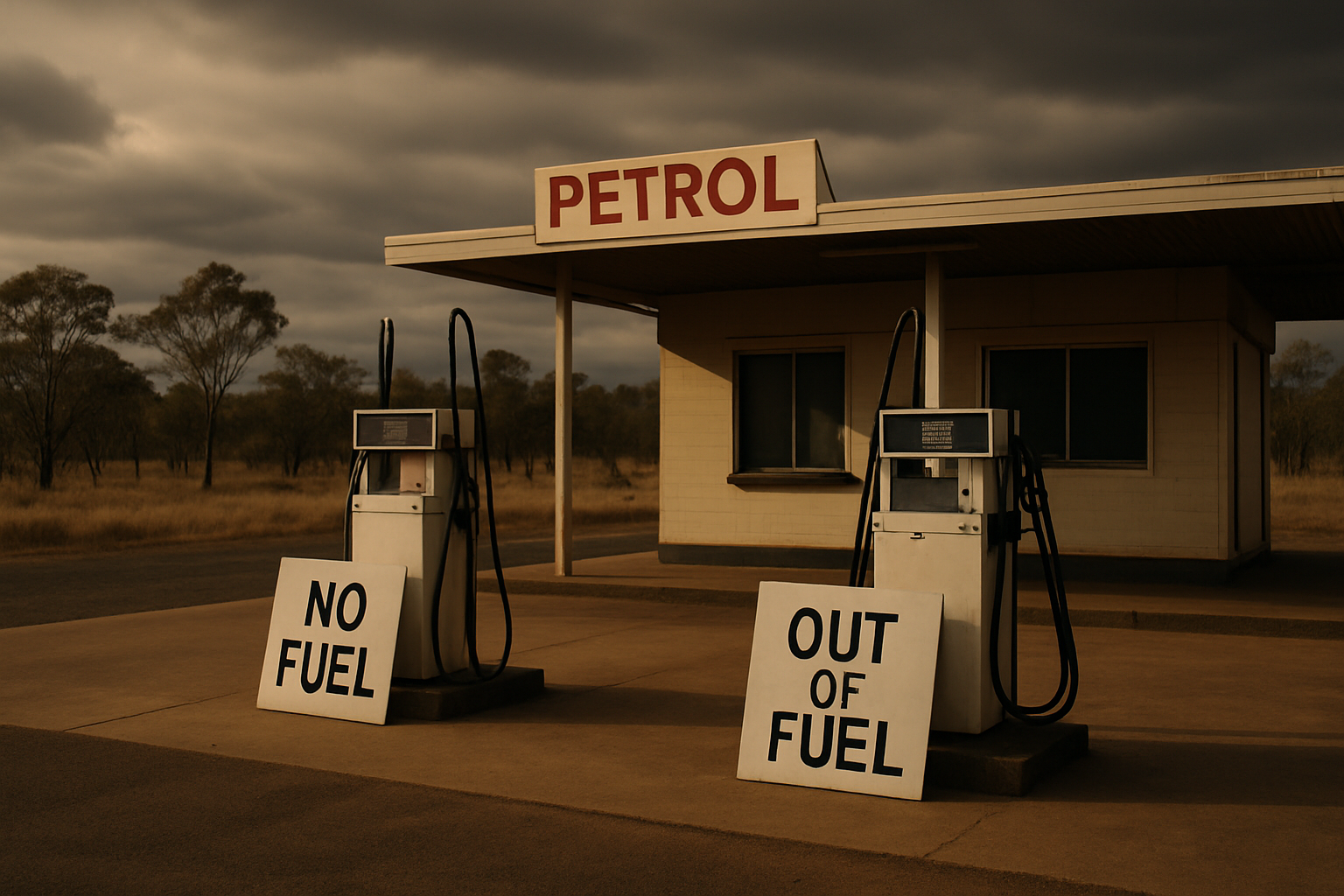
Independent petrol stations across regional Queensland are running completely dry as Australia grapples with the most severe fuel supply crisis in decades, triggered by global oil prices surging past $100 per barrel for the first time since 2022.
The small Queensland town of Texas ran completely out of fuel over the weekend, according to Goondiwindi Mayor Lawrence Springborg, who reported that several independent petrol stations near the Queensland-New South Wales border had exhausted their supplies in recent days.
"We certainly did have supply issues, particularly over the weekend," Mayor Springborg told the Today Show. "Indeed, the small community of Texas ran completely out of fuel on the weekend."
Global Crisis Driving Local Shortages
The fuel shortages represent Australia's exposure to the unprecedented global energy crisis that has emerged from the ongoing Middle East conflict. Oil prices have breached $100 per barrel for the first time since Russia's invasion of Ukraine in 2022, with Brent crude reaching peaks of $119.50 and West Texas Intermediate jumping 18.98% to $108.15 in the biggest single-day increase on record.
Australia's consumer watchdog, the Australian Competition and Consumer Commission (ACCC), is actively monitoring fuel companies as prices surge past $2.50 per litre nationally. The crisis stems from Iran's Revolutionary Guard declaring the Strait of Hormuz "unsafe for shipping," effectively blocking the critical waterway that handles 40% of global seaborne oil transit.
Supply Chain Vulnerabilities Exposed
The current crisis has exposed dangerous vulnerabilities in Australia's fuel supply chains, particularly affecting independent operators who lack the bulk purchasing power of major fuel retailers. Mayor Springborg indicated that major suppliers are prioritizing their own bulk distributors, leaving smaller independent stations struggling to secure adequate fuel supplies.
"Major suppliers favour their own bulk distributors, leaving rural petrol stations running out of fuel."
— Lawrence Springborg, Goondiwindi Mayor
This supply hierarchy has created acute shortages in regional areas where residents depend heavily on personal vehicle transport and have limited alternatives. The Queensland border regions have been particularly affected, with some communities facing complete fuel unavailability.
Middle East Crisis Creates Global Ripple Effects
The Australian fuel crisis is part of a broader global energy emergency triggered by Iran's closure of the Strait of Hormuz during ongoing military operations. Over 150 oil and LNG tankers worth billions in cargo value are currently stranded in the Persian Gulf after major shipping companies Maersk and MSC suspended operations.
Natural gas prices have exploded by 24% in Europe and 78% in the United States, while Qatar has halted LNG production at its Ras Laffan and Mesaid facilities, affecting approximately 20% of global LNG exports. The crisis has prompted emergency responses from governments worldwide, with Japan considering petroleum reserve deployment for the first time since the 2011 Fukushima disaster.
Economic and Social Impact
The fuel shortages are creating significant economic and social disruption across regional Queensland. Small businesses dependent on fuel supplies are facing operational challenges, while residents in affected areas are experiencing difficulties accessing basic services and maintaining employment.
Agricultural operations, critical to Queensland's economy, are particularly vulnerable to fuel supply disruptions. Farm machinery, transport of produce to markets, and routine agricultural activities all depend on reliable fuel access. The timing coincides with crucial seasonal agricultural activities, potentially impacting food production and distribution.
Government and Industry Response
Australian authorities are working to address the supply shortages through various mechanisms, including monitoring major fuel suppliers to ensure equitable distribution. The ACCC's surveillance aims to prevent price gouging and ensure that fuel reaches all areas of the country, including remote and regional communities.
Industry observers note that the crisis highlights Australia's strategic vulnerability to global energy disruptions, particularly given the country's dependence on fuel imports and limited domestic refining capacity. The situation has renewed discussions about national fuel security and the need for strategic petroleum reserves.
Broader Context of Global Energy Crisis
The Australian fuel crisis occurs within the context of the most severe global energy emergency in decades. The Middle East conflict has created what analysts describe as a "template-setting" crisis for 21st-century energy security, exposing the vulnerability of modern logistics systems to geopolitical disruptions.
Financial markets have responded dramatically to the crisis, with stock exchanges worldwide experiencing significant volatility. Pakistan's KSE-100 suffered its largest single-day decline in history, dropping 8.97%, while European markets have faced severe pressure from energy-intensive industries struggling with unsustainable costs.
Looking Ahead
The recovery timeline for fuel supplies remains uncertain, depending on the resolution of military operations and diplomatic normalization in the Middle East. Unlike weather-related disruptions that follow predictable patterns, geopolitical crises can persist for extended periods with unpredictable outcomes.
Energy analysts warn that the current situation represents a fundamental shift in global energy security planning, requiring nations to reduce dependence on strategic chokepoints in volatile geopolitical regions. For Australia, this crisis serves as a stark reminder of the importance of energy security and supply chain resilience in an increasingly interconnected but unstable world.
Regional Queensland communities like Texas face an immediate challenge that reflects broader questions about Australia's preparedness for future energy disruptions. The resolution of current shortages will depend not only on global events but also on domestic policy responses to strengthen Australia's energy security infrastructure for the long term.