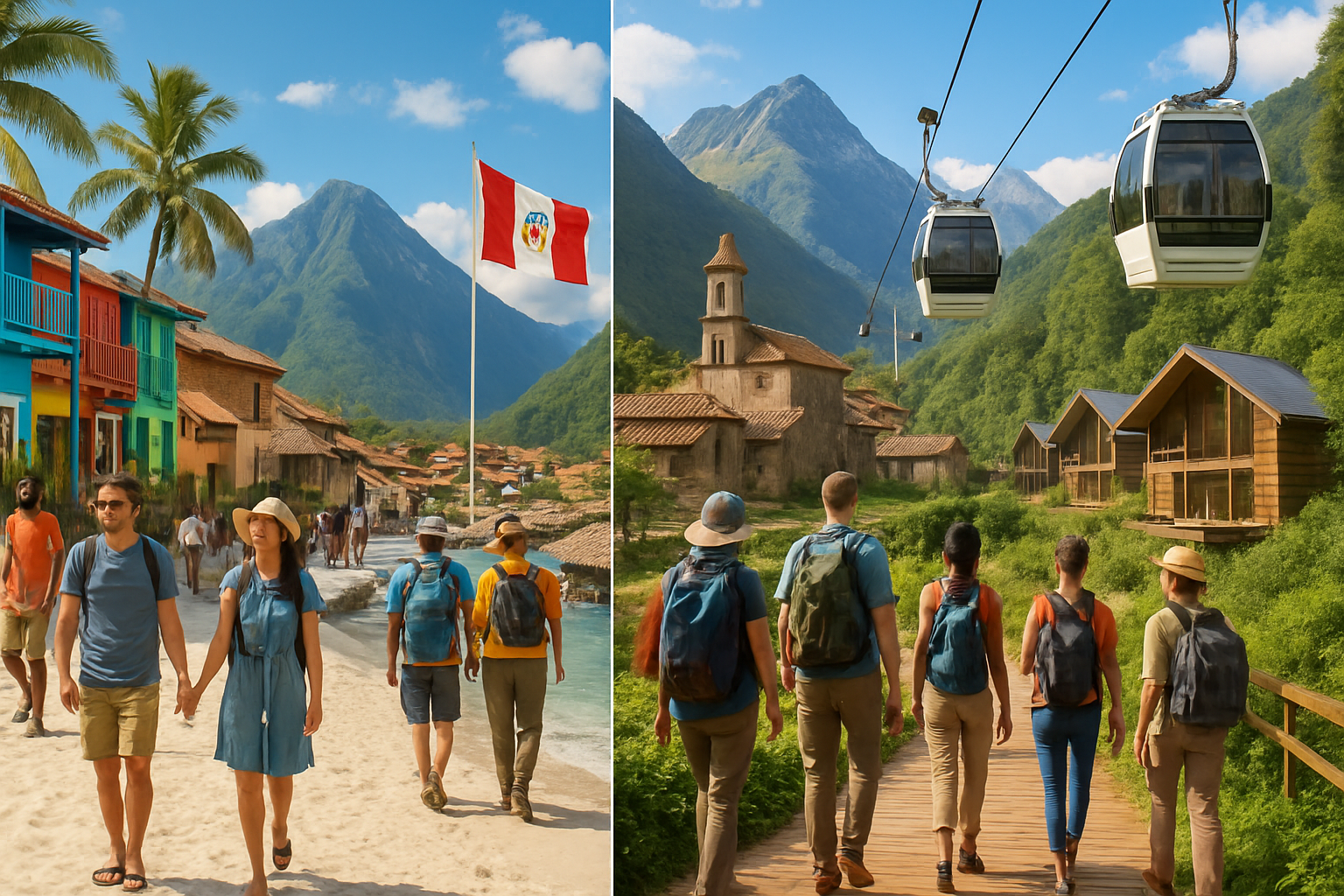
A coordinated wave of tourism development initiatives across Latin America and the Caribbean is reshaping the regional landscape, with Bolivia launching comprehensive tourism incentives potentially worth $3 billion, Mexico securing new international flight connections, and Caribbean nations pioneering sustainable tourism frameworks.
The ambitious developments, announced in February 2026, represent a fundamental shift from individual destination marketing to integrated regional cooperation, positioning these markets as emerging leaders in sustainable tourism development amid global recovery patterns.
Bolivia's Economic Tourism Revolution
Bolivia's Ministry of Economy, led by Minister Gabriel Espinoza, has initiated groundbreaking coordination with the Bolivian Chamber of Tourism (Cabotur) to establish comprehensive tax incentives and mechanisms designed to strengthen the country's tourism sector. The initiative represents Bolivia's most significant tourism development policy in decades.
"The Government has identified tourism as one of the pillars of the so-called orange economy, linked to cultural, creative and service industries, which generate employment and income sustainably."
— Gabriel Espinoza, Bolivia's Minister of Economy
Vice Minister of Tax Policy Álvaro Tapia confirmed that several measures are already being implemented as part of an integrated strategy to position tourism as a growth engine. The government estimates that with adequate conditions, the sector could generate up to $3 billion in revenue, marking a dramatic transformation for Bolivia's tourism infrastructure.
The orange economy framework links tourism directly to Bolivia's cultural heritage, indigenous traditions, and creative industries, creating sustainable employment opportunities while preserving authentic cultural expressions that attract international visitors seeking meaningful experiences.
Mexico's Strategic Connectivity Expansion
Mexico's Yucatán Peninsula is experiencing unprecedented international aviation development, with direct flight negotiations to Colombia advancing rapidly during the ANATO 2026 Tourism Showcase in Bogotá, scheduled for February 25-27.
Darío Flota Ocampo, Yucatán's Secretary of Tourism Development, confirmed significant interest in establishing the new route, building on the success of existing direct flights to Toronto. The potential Colombia connection would create the first regular service linking Mexico's Caribbean coast directly with South America's tourism markets.
However, the sector also faces immediate challenges. Hotel owners and tourism operators across Yucatán and Quintana Roo are expressing serious concerns about the anticipated sargassum season, which historically deterred beachgoers and impacted local economies through foul odors from decomposing seaweed.
Industry leaders are calling for coordinated government action, including increased funding for beach cleaning operations and long-term investment in barrier systems and offshore collection technologies to mitigate environmental impacts that threaten the region's tourism competitiveness.
Tourism Infrastructure Resilience
The sargassum challenge highlights broader climate adaptation requirements facing Caribbean destinations. Successful tourism development increasingly requires integration of environmental management, infrastructure resilience, and crisis communication strategies to maintain visitor confidence during seasonal challenges.
Caribbean Sustainable Tourism Leadership
Saint Vincent and the Grenadines is positioned for significant tourism infrastructure growth in 2026, according to Minister of Tourism, Maritime Affairs, Civil Aviation and Sustainable Development, Dr. Kishore Shallow. The announcement comes as Caribbean destinations collectively pivot toward sustainable tourism models prioritizing community benefits and environmental protection.
The initiative aligns with broader Caribbean coordination through the Organisation of Eastern Caribbean States (OECS), which has been developing comprehensive sustainable tourism validation frameworks. Recent consultations in Grenada demonstrated unprecedented regional cooperation in balancing economic growth with environmental stewardship.
North Leeward tourism development specifically targets authentic cultural experiences while ensuring local community participation in tourism planning and revenue distribution. This approach contrasts with traditional mass tourism models, emphasizing quality visitor experiences over volume-based strategies.
Regional Integration Success Factors
The coordinated regional approach demonstrates several key success factors that distinguish the current development wave from previous tourism expansion efforts:
- Technology integration enhancing traditional hospitality rather than replacing authentic cultural experiences
- Community engagement ensuring local populations benefit directly from tourism development
- Environmental sustainability prioritizing long-term destination viability
- International cooperation creating multi-destination travel experiences
- Climate adaptation strategies addressing environmental challenges proactively
These approaches align with global tourism recovery trends emphasizing quality-focused strategies, cultural authenticity, and sustainable development models that generate stronger financial performance while maintaining community ownership of tourism resources.
Global Context and Economic Impact
The Latin American and Caribbean initiatives occur within a broader context of global tourism infrastructure investment exceeding $570 billion, with Asia-Pacific markets leading recovery patterns and European destinations implementing enhanced sustainability protocols.
Regional cooperation models emerging across the Americas provide alternatives to dependency on traditional North American and European source markets, creating resilience through diversification while maintaining authentic cultural positioning.
Economic multiplier effects extend beyond direct tourism revenue through job creation, infrastructure development, international trade enhancement, and cultural preservation initiatives that benefit entire communities rather than isolated tourism enclaves.
Innovation in Tourism Finance
Bolivia's orange economy framework represents innovative tourism financing that integrates cultural preservation, economic development, and sustainable employment creation. This model provides templates for other developing destinations seeking to leverage cultural assets for tourism development while maintaining community control.
Future Implications and Challenges
The success of these regional initiatives depends on sustained political commitment, continued international cooperation, and effective adaptation to climate challenges that increasingly affect Caribbean and Latin American destinations.
Implementation challenges include financing coordination across multiple jurisdictions, environmental protection during infrastructure development, workforce development for expanded tourism services, and maintaining cultural authenticity while accommodating international visitor expectations.
However, the coordinated approach provides resilience against external shocks, creates multiple revenue streams through regional connectivity, and establishes frameworks for addressing challenges collectively rather than individual destination responses.
"Regional tourism development requires balancing growth with sustainability, ensuring our communities benefit while preserving the natural and cultural heritage that attracts visitors."
— Dr. Kishore Shallow, Minister of Tourism, Saint Vincent and the Grenadines
Regional Tourism Renaissance
The February 2026 developments mark a fundamental evolution in Latin American and Caribbean tourism strategy, moving from competitive individual destination marketing to collaborative regional development that strengthens all participating markets.
Success will be measured not only through visitor numbers and revenue generation, but through community empowerment, environmental protection, cultural preservation, and resilience to future challenges including climate change, economic volatility, and evolving visitor preferences.
These initiatives position the region as a global leader in sustainable tourism development, providing models for other developing destinations worldwide seeking to leverage tourism for comprehensive community development while maintaining authentic cultural identity and environmental stewardship.
The coordinated approach demonstrates that effective tourism development in the 21st century requires integration of economic objectives with social responsibility, environmental protection, and international cooperation - principles that may reshape global tourism development strategies for decades to come.