Austria and Denmark are spearheading Europe's renewable energy revolution with groundbreaking projects that demonstrate the continent's commitment to energy independence amid global supply chain challenges and climate urgency.
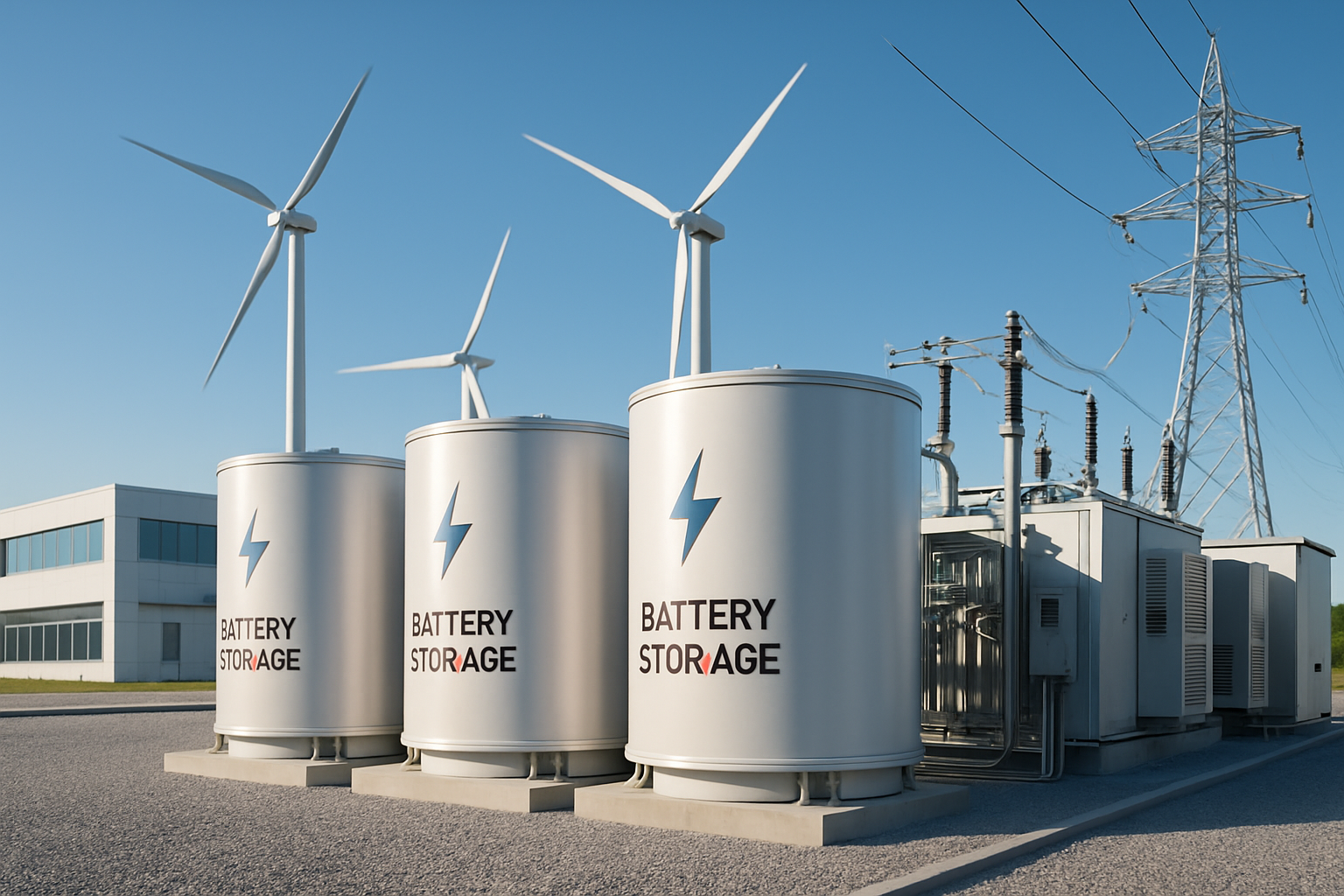
Austria's energy company EVN announced the construction of the country's largest battery storage facility in Theiß, a landmark project that will significantly enhance grid stability and energy security. The initiative comes as Austria positions itself as a leader in renewable energy infrastructure, building on the country's achievement of 88% renewable electricity production in 2024.
"More storage means more security of supply, less dependence, and relief for the networks," stated Deputy Governor Pernkopf during the project announcement. The facility represents a crucial component of Austria's strategy to achieve complete energy independence while reducing reliance on volatile international energy markets.
Denmark Powers New England with Revolutionary Wind Technology
Simultaneously, Denmark's Revolution Wind project achieved a historic milestone by sending its first electricity to New England, demonstrating the global reach of European renewable energy innovation. The offshore wind installation showcases Denmark's advanced maritime renewable technology, which has positioned the country as a world leader in offshore wind development.
The project represents more than just energy generation—it exemplifies international cooperation in clean energy deployment during a period when energy security has become paramount for nations worldwide. Denmark's expertise in offshore wind technology is now directly supporting American energy transition goals.

Context of Global Energy Transformation
These developments occur during what experts describe as a critical juncture in global energy policy. January 2026 marked the 18th consecutive month exceeding 1.5°C above pre-industrial levels, underscoring the urgent need for accelerated clean energy deployment. The renewable energy sector faces significant challenges, including supply chain vulnerabilities where China controls 60% of global production and 90% of refining capacity for critical materials like lithium, cobalt, and rare earth elements.
Memory chip shortages have driven prices up sixfold, affecting smart grid and renewable control systems until 2027 when new fabrication facilities come online. Despite these constraints, European nations continue advancing their energy transition strategies through innovative partnerships and substantial infrastructure investments.
Estonia's Renewable Energy Leadership Model
Estonia has emerged as a template for successful energy transition, operating continental Europe's largest battery storage facility serving 90,000 households while maintaining 88% renewable electricity generation. The Baltic nation's approach demonstrates how comprehensive renewable energy strategies can achieve both environmental goals and energy security simultaneously.
The country's success comes despite facing extreme weather challenges, including the coldest winter in 25 years that drove electricity consumption to record levels of 1,723 MW. This resilience showcases the importance of robust storage infrastructure in maintaining grid stability during peak demand periods.
International Cooperation and Competition
The renewable energy sector has become increasingly characterized by both cooperation and competition on the international stage. The US-EU-Japan Critical Minerals Partnership, involving 55 countries and seven African suppliers, represents a coordinated response to supply chain dependencies. This initiative aims to diversify critical material sources away from Chinese dominance while supporting sustainable mining practices in participating nations.
"The energy transition begins with the grid," emphasized Energy Minister Bojan Kumer during Slovenia's €59 million power grid modernization announcement.
— Bojan Kumer, Slovenian Energy Minister
Regional cooperation patterns are emerging across Europe, with Baltic states leading battery storage initiatives, Central Asian nations positioning themselves as clean energy corridors connecting Europe and Asia, and Mediterranean countries developing renewable energy partnerships with North African nations.
Economic and Strategic Implications
The economic impact of renewable energy development extends far beyond electricity generation. Austria's battery storage facility is expected to create thousands of specialized jobs in construction, maintenance, and advanced manufacturing sectors. The project also positions Austria as a potential regional energy hub, capable of facilitating electricity exports during periods of excess renewable generation.
Denmark's offshore wind expertise has created significant export opportunities, with Danish companies leading wind farm development projects across multiple continents. This technological leadership provides both economic benefits and strategic influence in global energy markets.
The renewable energy transition is creating what economists describe as "economic multiplier effects," with digital infrastructure investments yielding $3-4 returns per dollar over a decade. These projects demonstrate how environmental protection functions as an economic development strategy rather than merely a regulatory requirement.
Addressing Implementation Challenges
Despite significant progress, renewable energy deployment faces substantial obstacles. Grid integration challenges require sophisticated management systems capable of handling variable renewable flows. Storage costs remain high, though battery technology advances show promising cost reduction trajectories. Transmission infrastructure often requires extensive upgrades to accommodate distributed renewable generation.
Weather-resistant materials, enhanced drainage systems, and backup infrastructure have become standard requirements as extreme weather events increase in frequency. The February 2026 Arctic weather pattern that killed over 140 people across the Northern Hemisphere demonstrated the vulnerability of energy systems to climate volatility.
Technology Integration and Innovation
Modern renewable energy projects incorporate advanced digital monitoring, predictive maintenance, and automated operations systems. AI-powered management platforms enable precise environmental and economic benefit measurement while optimizing system performance in real-time. These technological advances have transformed renewable energy from basic infrastructure to sophisticated integrated systems supporting comprehensive economic and social development.
Vehicle-to-grid technology represents an emerging frontier, enabling electric vehicles to function as mobile energy storage units. This integration allows EVs to charge during off-peak renewable generation periods and discharge electricity during high-demand periods, creating a distributed energy storage network that enhances grid flexibility.
Climate Adaptation and Energy Security
The renewable energy transition is occurring within a broader context of climate adaptation requirements. Traditional infrastructure was designed for historical weather patterns, but current conditions often exceed these design parameters. Energy systems must now accommodate both routine operations and emergency responses to increasingly frequent extreme weather events.
Austria's battery storage facility and Denmark's offshore wind project represent climate adaptation infrastructure, designed to maintain energy security during weather-related disruptions. These systems provide essential backup power capabilities while reducing dependence on fossil fuel imports that may be subject to geopolitical disruptions.
"This is a historic moment for the entire renewable energy sector and our commitment to energy independence."
— Industry Analyst, European Energy Agency
Future Trajectory and Global Impact
The success of Austria's battery storage project and Denmark's offshore wind exports establishes important precedents for global renewable energy development. These projects demonstrate that European renewable energy technology has reached sufficient maturity to support both domestic energy transition goals and international energy cooperation initiatives.
Experts anticipate that successful implementation of these projects will catalyze additional international investment throughout the renewable energy sector, establishing Europe as a technology hub for sustainable energy development. The combination of advanced storage systems, offshore wind expertise, and sophisticated grid management positions European companies as leaders in the global clean energy marketplace.
The window for effective climate action continues narrowing, but the convergence of technological advancement, environmental urgency, and international cooperation creates conditions for accelerated change. Success in Austria and Denmark provides templates for comprehensive renewable energy transformation through infrastructure investment, technological innovation, and international partnerships during this decisive decade for climate action.
As the global community grapples with the challenge of transitioning away from fossil fuels while maintaining energy security, these European projects offer practical demonstrations that sophisticated renewable energy systems can deliver both environmental sustainability and economic prosperity when supported by appropriate policies, international cooperation, and sustained investment in advanced infrastructure.