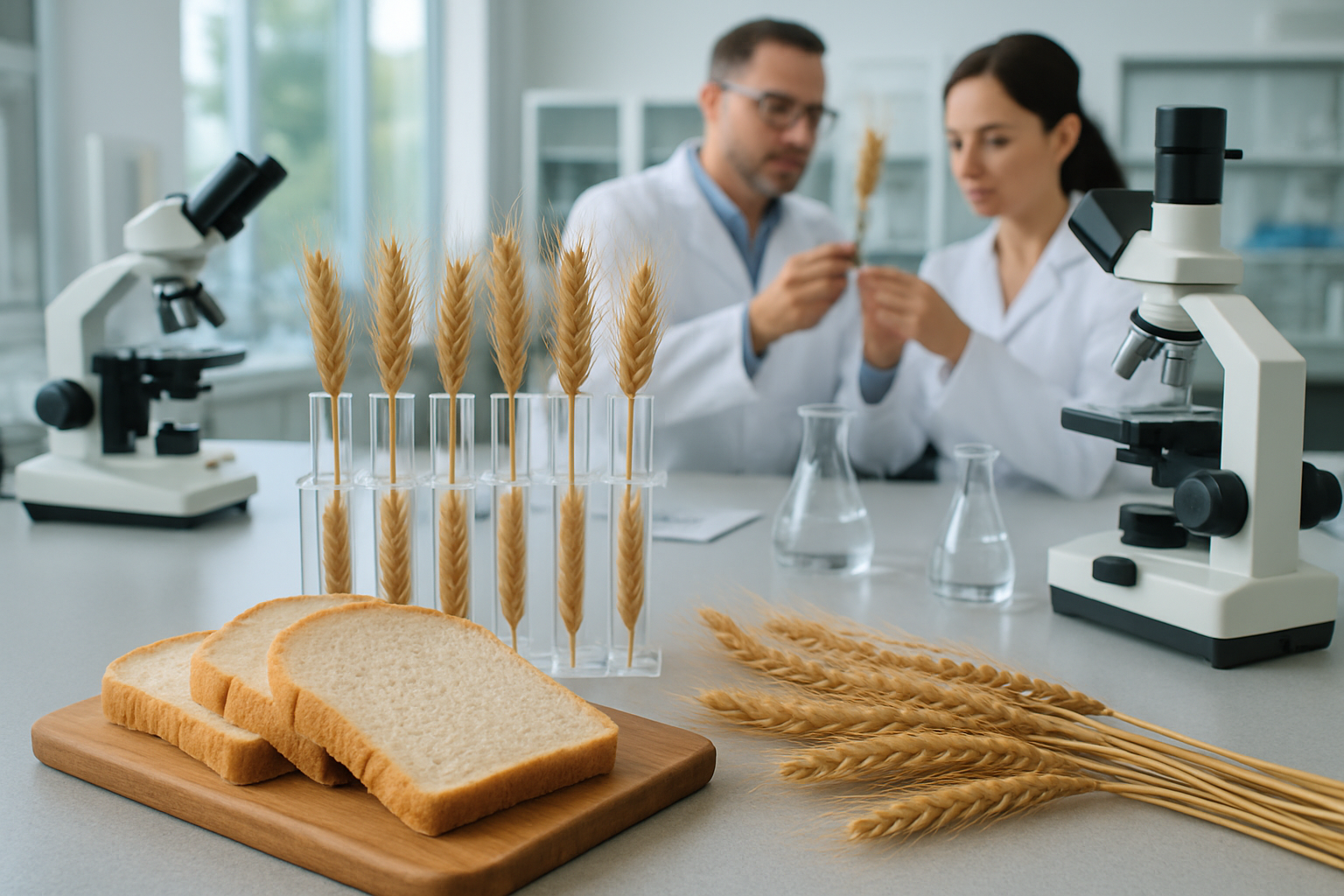
Australian scientists have achieved a revolutionary breakthrough in agricultural biotechnology, developing innovative wheat varieties that dramatically transform white bread and other flour-based foods into high-fiber nutritional powerhouses, representing one of the most significant advances in functional food development in decades.
The groundbreaking research, conducted by leading agricultural scientists, addresses one of modern nutrition's most persistent challenges: making staple carbohydrate foods healthier without sacrificing the taste and texture that consumers demand. Traditional white bread, while popular for its soft texture and mild flavor, has long been criticized by nutritionists for its low fiber content and limited nutritional value.
Scientific Innovation Meets Consumer Demand
This development represents a paradigm shift in food technology, moving beyond simple fortification to fundamentally altering the nutritional profile of wheat at the genetic level. The new wheat varieties maintain all the desirable characteristics of conventional wheat - including rising properties, texture, and taste - while delivering substantially higher fiber content that rivals whole grain products.
"This breakthrough could revolutionize the way we think about processed grain products," explains a leading food science expert. "Instead of choosing between taste and nutrition, consumers can now have both in familiar foods they already enjoy."
Global Context of Food Innovation
The Australian wheat innovation emerges within a broader global renaissance in nutritional food technology. From Slovakia's research validating traditional nuts over expensive superfoods to Latvia's advances in food preservation techniques, scientists worldwide are rediscovering and enhancing the nutritional potential of everyday foods.
This trend reflects the growing "conscious consumption" movement, where consumers increasingly demand authentic, health-conscious food experiences over convenience-focused processed alternatives. The movement has gained particular momentum following research validating traditional dietary patterns - such as the Mediterranean diet's 25% stroke risk reduction and coffee's 18% dementia prevention benefits.
Technology Meets Traditional Agriculture
The wheat breakthrough exemplifies successful technology-tradition integration, a pattern emerging across global agricultural innovation. Unlike genetic modification approaches that have faced consumer resistance, this research builds on traditional plant breeding techniques enhanced by modern agricultural science and precision nutrition understanding.
Australian researchers have demonstrated that sophisticated synthesis of cutting-edge agricultural technology with traditional farming knowledge produces superior results compared to purely technological solutions. This approach respects existing agricultural practices while introducing beneficial innovations that enhance nutritional outcomes.
Economic and Health Implications
The economic implications extend far beyond agricultural production. The food industry could see substantial transformations as manufacturers adapt recipes to incorporate the new wheat varieties, potentially creating new market categories for "high-fiber white bread" and similar products.
From a public health perspective, the breakthrough addresses critical dietary deficiencies affecting millions globally. Most adults consume insufficient fiber, contributing to digestive health issues, cardiovascular disease, and metabolic disorders. Making fiber more accessible through familiar foods could significantly improve population health outcomes.
International Agricultural Renaissance
The Australian achievement contributes to an unprecedented global agricultural renaissance documented throughout 2026. From Finland's winter raspberry cultivation breakthroughs to Papua New Guinea's mechanized farming innovations, countries worldwide are demonstrating remarkable agricultural adaptation capacity despite challenging climate conditions.
This pattern of South-South cooperation in agricultural innovation has proven more culturally appropriate and economically sustainable than traditional North-South aid relationships. Countries facing similar agricultural challenges are sharing expertise through peer partnerships, creating sustainable development approaches that respect local autonomy while leveraging international knowledge.
Prevention-First Healthcare Revolution
The wheat innovation aligns perfectly with the global "Therapeutic Revolution of 2026," characterized by prevention-first healthcare strategies emphasizing nutrition as medicine. Countries implementing comprehensive prevention programs report superior cost-effectiveness through decreased crisis interventions while achieving better population health outcomes.
This shift from reactive treatment to proactive wellness maintenance has created enormous demand for functional foods that deliver health benefits through everyday consumption. The Australian wheat varieties provide exactly this type of solution - preventive nutrition integrated into familiar dietary patterns.
Future Implications and Scaling Potential
The success of this wheat innovation provides templates for scaling nutritional improvements across global food systems. The technology could be adapted for different climatic conditions and agricultural systems worldwide, potentially benefiting millions of consumers who rely on wheat-based staple foods.
Implementation challenges include ensuring equitable access to the improved wheat varieties, training farmers in optimal cultivation techniques, and developing supply chains that maintain the nutritional benefits throughout processing and distribution.
Climate Adaptation and Food Security
Beyond nutritional improvements, the new wheat varieties demonstrate climate-adaptive agriculture in action. Developed during the 19th consecutive month of global temperatures exceeding 1.5°C above pre-industrial levels, these innovations show how agricultural science can respond to environmental pressures while improving food quality.
The research contributes to global food security by enhancing the nutritional value of existing crops rather than requiring entirely new agricultural systems. This approach proves especially valuable for regions where dietary patterns center on wheat-based foods but access to diverse nutritional sources remains limited.
Consumer Education and Adoption
Successful implementation will require comprehensive consumer education emphasizing that enhanced nutrition doesn't require sacrificing familiar foods or drastically changing eating patterns. The wheat innovation offers the compelling proposition of "better nutrition through better ingredients" rather than dietary restriction or complex lifestyle changes.
Early market research suggests strong consumer interest in foods that provide health benefits without requiring significant behavioral changes. The familiar format of bread and flour-based products combined with enhanced nutritional profiles could drive rapid adoption across diverse demographic groups.
The Australian wheat breakthrough represents more than agricultural innovation - it embodies a fundamental evolution toward food systems that prioritize human health while respecting cultural food traditions and consumer preferences. As this technology scales globally, it could mark a turning point in making nutritious food both accessible and appealing to populations worldwide, contributing to the broader transformation of global food systems during this critical climate action decade.