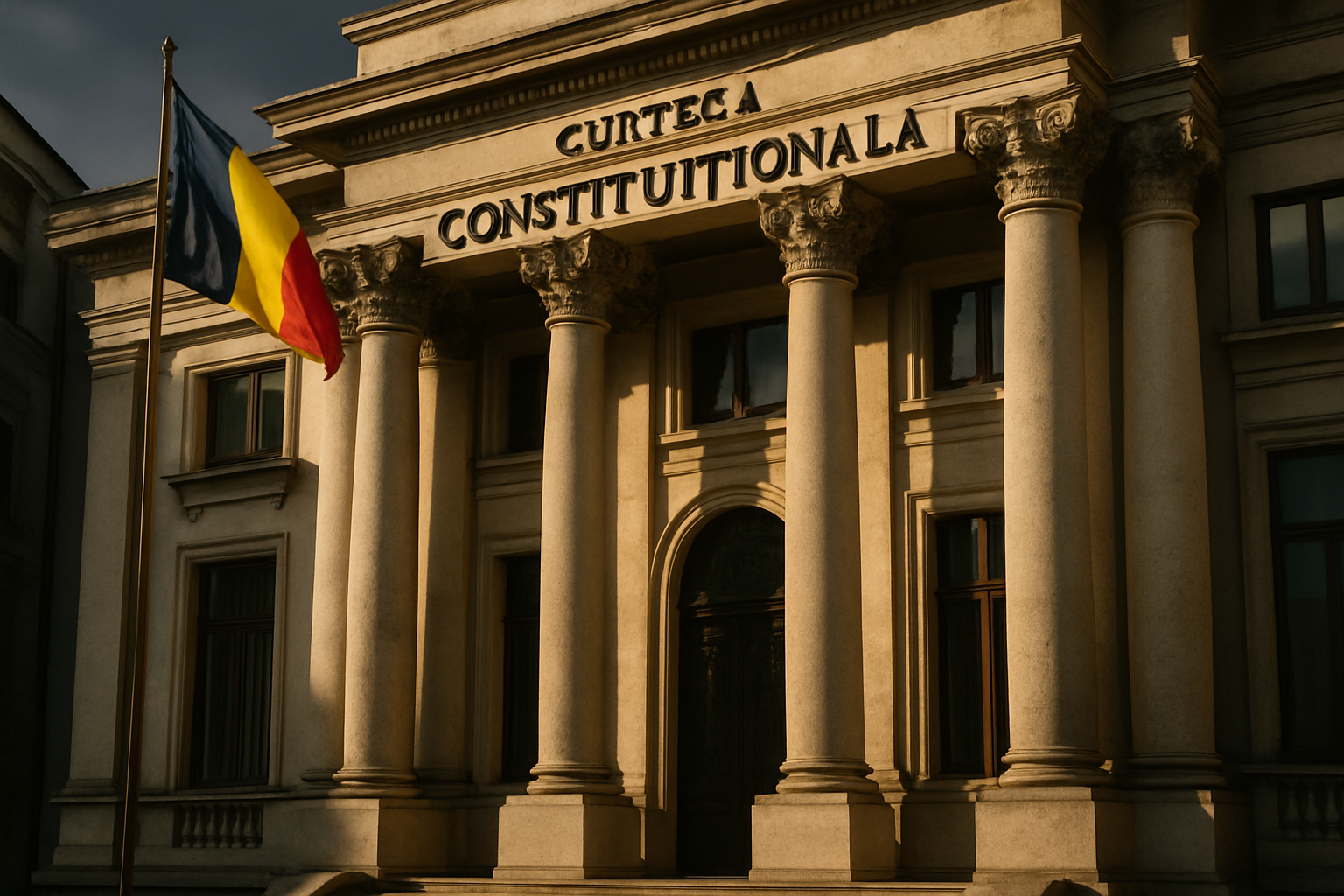
Romania's Constitutional Court delivered a decisive ruling Wednesday, February 18, 2026, declaring the controversial magistrates' pension reform law constitutional and rejecting a challenge filed by the High Court of Cassation and Justice, clearing the path for implementation after months of political gridlock.
The landmark decision ends four months of legal uncertainty that had delayed the legislation through five postponements and two government confidence procedures led by Prime Minister Ilie Bolojan. The reform raises the retirement age for magistrates to 65 over a 15-year transition period and reduces pensions to a maximum of 70% of the last net salary.
Political Stakes and EU Funding
The ruling immediately triggered political reactions across the spectrum, with PSD leader Sorin Grindeanu declaring that "now it's time for Minister Pîslaru to do his job so we don't lose the money" from Romania's National Recovery and Resilience Plan (PNRR). The reform is crucial for securing 231 million euros in EU funding tied to judicial system modernization.
Minister of European Investments and Projects Dragoș Pîslaru welcomed the decision, stating that "justice has been done" and that once President Nicușor Dan promulgates the law, Romania will finally be able to demonstrate fulfillment of its PNRR commitments. Pîslaru emphasized he would "make every effort to try to save the 231 million euros."
Judicial Opposition and Institutional Tensions
The decision sparked fierce resistance from within the judiciary. Judge Alin Ene, a member of the Superior Council of Magistracy (CSM), delivered a dramatic response, declaring that "democracy has died! Welcome to the post-constitutional era." His reaction represents the first public statement from CSM following the Constitutional Court's ruling.
High Court President Lia Savonea announced that her institution would "use all legal and institutional means to defend the independence of justice, including by alerting European institutions." She indicated that the High Court had exhausted all domestic remedies and would now pursue international channels.
"The High Court will utilize all legal and institutional means to defend the independence of justice, including through alerting European institutions."
— Lia Savonea, President of the High Court of Cassation and Justice
Reform Details and Implementation
The approved version differs significantly from an earlier draft rejected by the Constitutional Court, extending the transition period from 10 to 15 years to address constitutional concerns. Magistrates will still be able to retire early after 35 years of service, though a yearly penalty of 2% will apply for early retirement.
The legislation represents a compromise between fiscal necessity and judicial independence concerns. The extended transition period acknowledges the court's earlier finding that abrupt changes could undermine the stability of the judicial system while still achieving the government's modernization objectives.
Broader Context of Romanian Judicial Reform
This ruling comes amid ongoing tensions over judicial independence in Romania, part of broader European concerns about the balance between accountability and autonomy in judicial systems. The European Union has consistently emphasized the importance of judicial reform as a cornerstone of Romania's continued integration and access to recovery funds.
USR President Dominic Fritz characterized the decision not as "a victory, but a gesture of normality," reflecting the complex political dynamics surrounding judicial reform in Romania. His measured response suggests recognition that while the legal process has concluded, the underlying tensions between different branches of government remain.
European Integration Implications
The Constitutional Court's decision removes a significant obstacle to Romania's EU recovery plan implementation. European institutions had made clear that judicial system reforms, including pension sustainability measures, were non-negotiable conditions for accessing PNRR funds.
The ruling demonstrates Romania's commitment to meeting EU standards for judicial governance while managing domestic political pressures. However, the strong resistance from judicial institutions suggests that implementation may face continued challenges even with constitutional approval.
Financial and Administrative Impact
The reform addresses long-standing concerns about the sustainability of Romania's special pension systems, which had become increasingly burdensome for public finances. By capping magistrate pensions at 70% of final net salary and raising retirement ages, the government estimates significant long-term savings that can be redirected toward judicial modernization and infrastructure improvements.
The 15-year implementation timeline provides a gradual adjustment period that should minimize disruption to court operations while achieving fiscal objectives. Current magistrates will see their benefits adjusted according to the new formula, but the extended transition period allows for career planning and adjustment.
International Oversight and Monitoring
With the High Court's announcement of potential appeals to European institutions, the reform's implementation will likely face continued international scrutiny. The European Court of Justice and other EU bodies may be called upon to evaluate whether the reforms comply with European standards for judicial independence.
This international dimension adds complexity to what began as a domestic budgetary measure, potentially setting precedents for how EU member states balance fiscal responsibility with judicial autonomy requirements.
Looking Ahead
The Constitutional Court's ruling clears the immediate legal hurdle, but implementation challenges remain significant. The government must now work to secure the EU funds while addressing ongoing concerns from judicial institutions about the reforms' impact on independence and effectiveness.
The coming months will test whether Romania can successfully balance the competing demands of European integration, fiscal responsibility, and judicial autonomy - a challenge facing many EU member states as they navigate post-pandemic recovery requirements while maintaining democratic institutions.