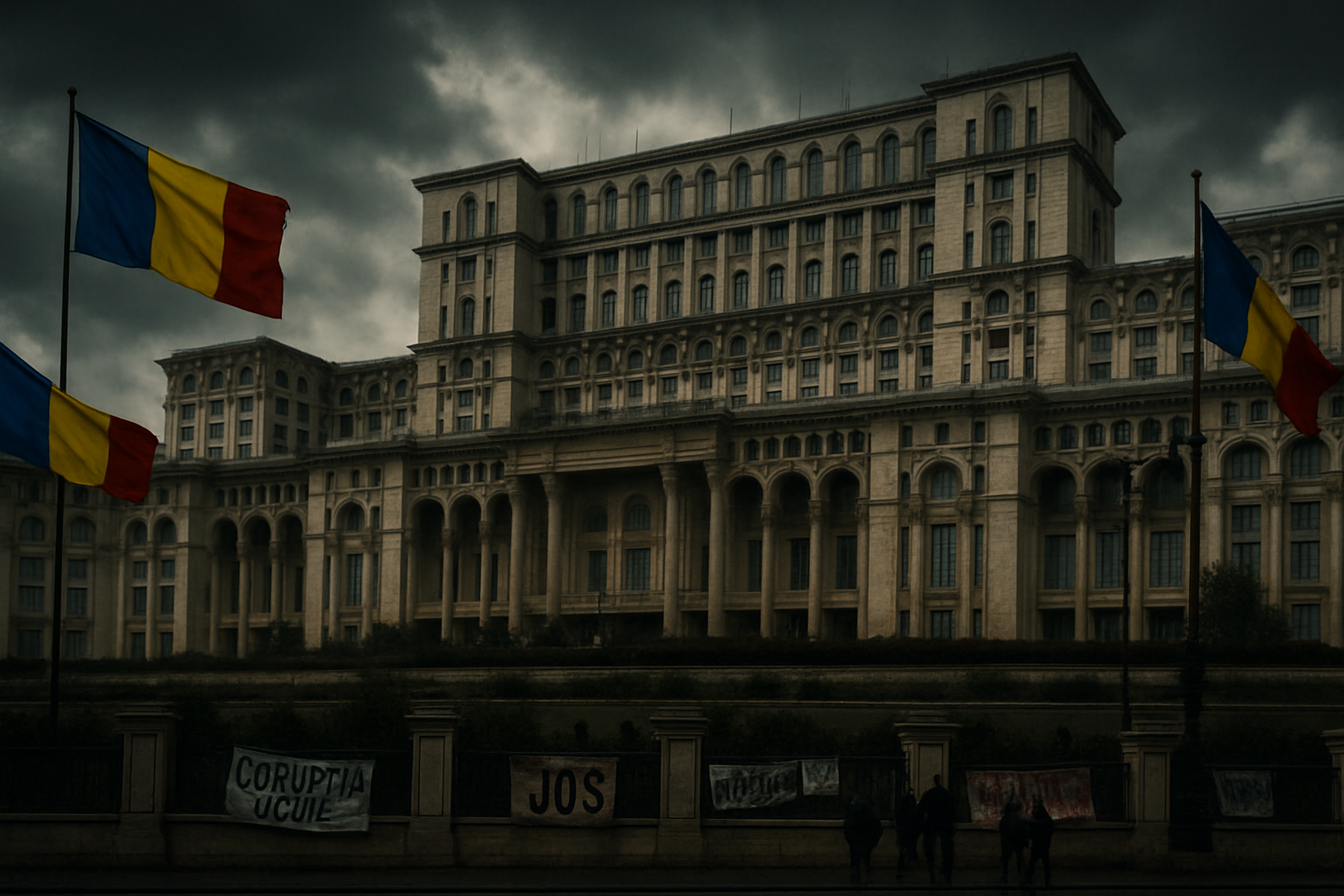
Romania's governing coalition faces its gravest crisis since taking power as the Social Democratic Party (PSD) threatens to withdraw support from Prime Minister Ilie Bolojan following explosive disputes over economic reforms and budget priorities, potentially destabilizing the country's political landscape.
The political crisis reached a boiling point on April 19, 2026, when PSD President Sorin Grindeanu declared that his party was evaluating its continued participation in the government coalition. Speaking on Antena 3 CNN, Grindeanu warned that "things are not going in a good direction" and that withdrawing political support for Bolojan was "one of the options" under consideration.
In a defiant response broadcast on B1 television, Prime Minister Bolojan declared he would not resign even if PSD withdrew its support. "They are simply lying that they did not participate in one decision or another, even though there are stenograms and witnesses," Bolojan stated, escalating the confrontation between coalition partners.
The Core of the Dispute
The crisis stems from fundamental disagreements over Bolojan's aggressive reform agenda, which has targeted what he describes as entrenched corruption and fiscal irresponsibility. According to Senate President Mircea Abrudean, Bolojan's reforms have "disturbed where it hurts" by cutting special pensions, reducing the state apparatus, and removing political influence from state-owned companies.
Bolojan's administration has implemented sweeping changes including a 10% reduction in municipal spending despite mayors' protests, stricter oversight of public budgets, and enhanced transparency measures that have exposed years of questionable financial practices. The prime minister has openly criticized his own PSD coalition partners, describing their resistance as attempts to protect corrupt practices.
"We have reached the point where we are making reforms with the handbrake on. I have put the spotlight on them, they can no longer parasitize public budgets."
— Prime Minister Ilie Bolojan
Historical Context of Romanian Political Instability
This crisis occurs against a backdrop of persistent political turbulence in Romania. The country has experienced multiple coalition crises in recent years, including previous threats by PSD to withdraw from government over budget disagreements. In March 2026, PSD demanded a 4 billion lei social protection package and criticized Bolojan's "feldsher attitude - first cut, then measure."
Romania's political system has struggled with coalition mathematics, where diverse parties must collaborate on fundamental reforms while balancing domestic pressures with European Union obligations. The current coalition includes PNL, PSD, USR, and UDMR parties, reflecting the fragmented nature of Romanian politics.
Economic Implications and EU Relations
Finance Minister Alexandru Nazare has warned that a political crisis could have direct economic consequences, particularly through increased financing costs at an already difficult time for Romania. The instability comes as the country navigates complex EU fiscal requirements while attempting to address domestic spending pressures.
Romania recently achieved a significant milestone by obtaining 24 of 25 OECD membership approvals, representing years of institutional and economic reforms. A government collapse could jeopardize these achievements and complicate Romania's European integration trajectory.
Coalition Partners Prepare for Contingencies
PNL and USR, the other major coalition partners, are reportedly preparing their own strategies while awaiting PSD's final decision. The parties face a delicate balance between supporting Bolojan's reform agenda and maintaining coalition stability.
Bolojan has announced contingency plans should PSD ministers withdraw from government, stating that their portfolios would be taken over by other ministers within the executive. He has also confirmed discussions with President Nicușor Dan about the political crisis and indicated ongoing consultations with the head of state.
The Reform Agenda at Stake
At the heart of the dispute lies Bolojan's ambitious reform program aimed at modernizing Romania's governance structures and eliminating corruption. The reforms include:
- Substantial cuts to special pension schemes
- Reduction of the state bureaucracy
- Enhanced transparency in public spending
- Removal of political appointees from state-owned enterprises
- Stricter oversight of municipal budgets
These measures, while praised by anti-corruption advocates and international observers, have created powerful enemies within Romania's political establishment who benefit from the current system.
International Observers Watch Closely
The crisis is being monitored closely by European institutions, as Romania plays a crucial role in EU Eastern European policy and serves as a key NATO ally on the continent's eastern flank. Political instability in Bucharest could complicate broader European decision-making processes and regional security arrangements.
The timing is particularly sensitive given ongoing geopolitical tensions and Romania's strategic importance as a frontline state supporting Ukraine and maintaining regional stability.
Looking Ahead: Scenarios and Implications
Several scenarios could unfold in the coming days. If PSD follows through on its withdrawal threat, Bolojan could attempt to govern with a minority coalition, call for early elections, or face a no-confidence vote in Parliament. Each option carries significant risks for Romania's political stability and reform momentum.
Should the government fall, it would represent another chapter in Romania's ongoing struggle to balance political pragmatism with necessary but painful reforms. The crisis tests whether Romanian democratic institutions can navigate the tension between short-term political interests and long-term governance needs.
As political leaders continue consultations and PSD weighs its options, Romania stands at a crossroads between continuing a controversial but potentially transformative reform agenda or returning to the political accommodation that has characterized much of its post-communist governance.