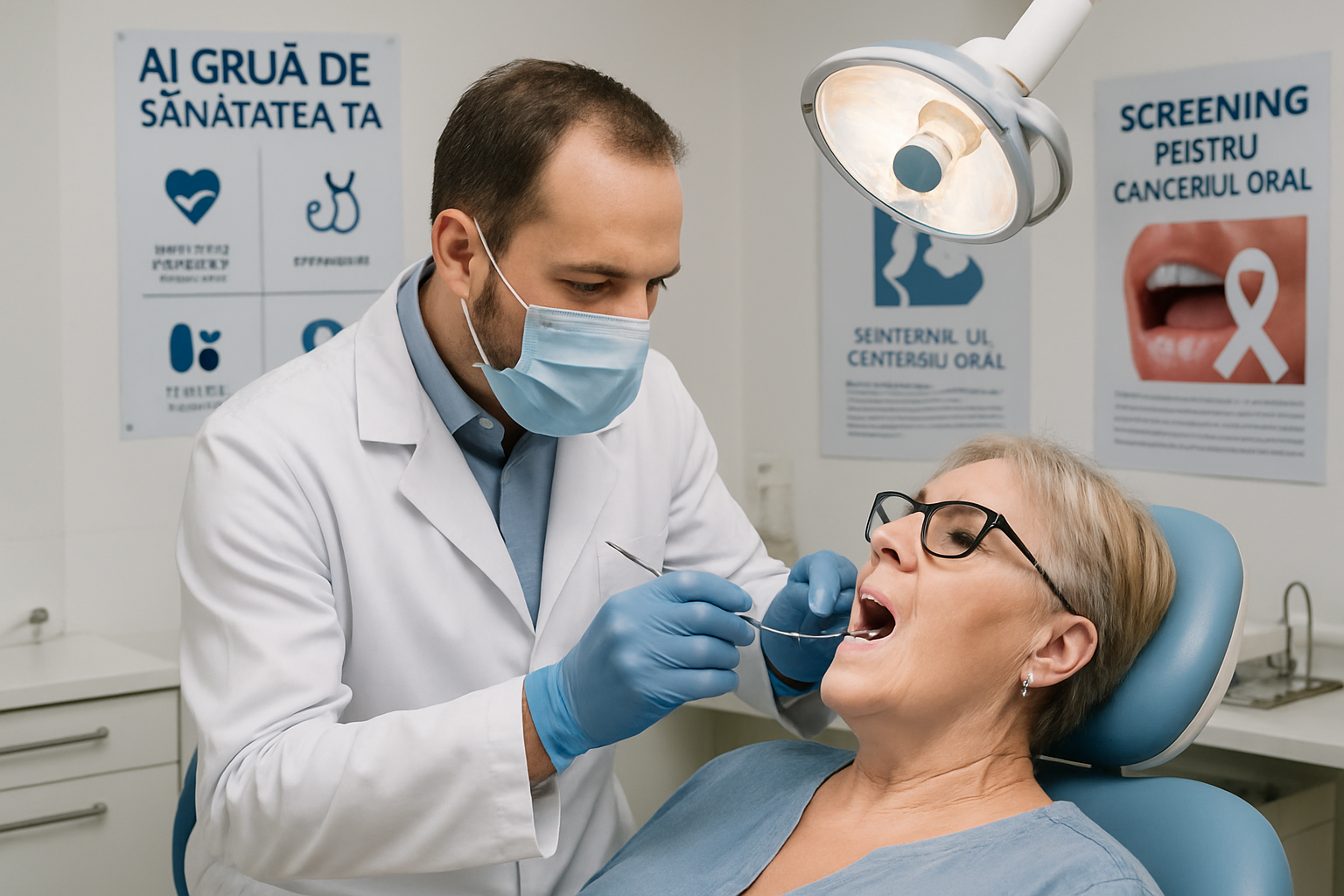
Romanian health authorities have launched a targeted awareness campaign addressing the concerning rise in oral cancer cases among adults aged 30-40 years, marking a significant shift in the traditional demographics most affected by this preventable disease.
The campaign, developed in response to increasing reports from healthcare facilities across Romania, aims to educate younger adults about early warning signs and risk factors for oral and head-neck cancers that are often overlooked until advanced stages. Romanian medical professionals emphasize that early detection remains crucial for successful treatment outcomes, particularly as cases surge among populations traditionally considered lower-risk.
Rising Incidence Among Younger Adults
According to health officials, oral cancer cases have shown a disturbing upward trend among Romanian adults in their thirties and early forties, representing a demographic shift that contradicts historical patterns where such cancers primarily affected older adults with extensive tobacco or alcohol use histories. This change aligns with global trends documented by international health organizations.
The Romanian campaign emphasizes that oral cavity cancers represent part of the broader head and neck cancer category, which includes malignancies affecting the mouth, throat, voice box, sinuses, and salivary glands. These cancers can develop silently, often progressing significantly before patients recognize symptoms serious enough to seek medical attention.
"Early symptoms are often dismissed as minor irritations or temporary conditions, allowing these cancers to advance to more serious stages before diagnosis,"
— Romanian Health Ministry Official
Critical Early Warning Signs
Romanian healthcare professionals are educating the public about key warning signs that should prompt immediate medical consultation. These include persistent mouth sores that fail to heal within two weeks, unexplained bleeding in the mouth, chronic hoarseness or voice changes, difficulty swallowing or chewing, and unusual lumps or thickened areas in the mouth, throat, or neck.
Additional symptoms warranting medical attention include persistent earache without hearing loss, numbness in the mouth or tongue, loose teeth without obvious dental problems, and white or red patches on the gums, tongue, or mouth lining. The campaign stresses that these symptoms, particularly when occurring in combination or persisting beyond normal healing timeframes, require professional evaluation.
Global Context and Prevention
Romania's initiative occurs within the broader context of the "therapeutic revolution of 2026," characterized by a global shift toward prevention-first healthcare strategies. World Health Organization research confirms that up to 40% of cancer cases are preventable through lifestyle modifications and early intervention programs.
The prevention-first approach emphasizes addressing modifiable risk factors including tobacco use, excessive alcohol consumption, human papillomavirus (HPV) infection, prolonged sun exposure affecting lip cancers, and poor oral hygiene. Romanian health authorities stress that these factors can work synergistically, meaning individuals with multiple risk factors face exponentially higher cancer development risks.

International Healthcare Cooperation
The Romanian campaign benefits from enhanced international cooperation in cancer prevention and treatment, despite funding challenges facing traditional multilateral health organizations. European countries are sharing best practices through bilateral partnerships and regional collaboration networks, allowing for coordinated responses to emerging health trends.
This distributed cooperation model enables flexible, culturally responsive approaches while maintaining evidence-based medical standards. Romania's campaign incorporates lessons learned from successful prevention programs in other European Union member states, adapting messaging and delivery methods to local contexts and healthcare infrastructure.
Technology Integration in Healthcare Outreach
Romanian health authorities are utilizing digital platforms and social media to reach younger demographics, recognizing that traditional healthcare communication methods may not effectively engage adults in their thirties and forties. The campaign employs targeted messaging through professional networks, workplace health programs, and community organizations.
This technological integration exemplifies the broader trend toward human-centered healthcare technology that enhances rather than replaces clinical judgment and personal medical relationships. The approach avoids the "wellness paradox" where technological solutions create healthcare inequality, ensuring medical advances benefit diverse populations regardless of geographic or economic constraints.
Economic Implications of Prevention
Romania's investment in preventive healthcare aligns with economic analyses demonstrating that prevention-focused strategies offer substantial cost reductions through decreased crisis interventions while achieving superior population health outcomes. Early detection and treatment of oral cancers typically require less intensive interventions, shorter hospital stays, and better long-term prognosis compared to advanced-stage treatments.
The campaign represents part of Romania's broader healthcare transformation toward community resilience and reduced emergency care demands. Prevention programs demonstrate measurable returns through improved productivity, reduced absenteeism, and enhanced quality of life for affected individuals and their families.
Treatment and Survival Outcomes
When detected early, oral cancers typically have favorable treatment outcomes, with five-year survival rates exceeding 80% for localized disease. Treatment options may include surgical removal, radiation therapy, chemotherapy, or combinations thereof, depending on cancer location, size, and stage at diagnosis.
Romanian oncologists emphasize that treatment success depends critically on early detection, making public awareness campaigns essential components of comprehensive cancer control strategies. The campaign provides clear guidance on accessing screening services and understanding when symptoms warrant immediate medical consultation.
"Prevention and early detection remain our most powerful tools against oral cancer, particularly as we observe changing demographic patterns in who develops these diseases,"
— Romanian Cancer Prevention Specialist
Implementation and Future Outlook
The campaign's success depends on sustained political commitment, adequate resource allocation, comprehensive professional training, and continued international cooperation. Romanian health authorities plan to monitor campaign effectiveness through healthcare utilization data, early detection rates, and population health outcomes.
Success factors include authentic community engagement, sustainable funding mechanisms, and integration with existing healthcare delivery systems. The initiative represents a template for other countries observing similar demographic shifts in cancer incidence patterns.
Long-term Healthcare Strategy
Romania's oral cancer awareness campaign forms part of broader healthcare infrastructure investments emphasizing prevention over reactive treatment. This approach aligns with global trends toward sustainable healthcare systems that address root causes of disease rather than focusing solely on treatment interventions.
The campaign's emphasis on younger demographics reflects growing recognition that cancer prevention must begin earlier in life, incorporating lifestyle counseling, risk factor modification, and regular screening into routine healthcare for adults in their thirties and forties.
Call to Action
Romanian health authorities urge adults aged 30-40 years to prioritize oral health awareness, seek regular dental and medical checkups, and consult healthcare providers promptly about any concerning symptoms. The campaign provides resources for identifying qualified healthcare professionals, understanding insurance coverage for screening services, and accessing support resources for individuals diagnosed with oral cancers.
The initiative represents a critical component of Romania's participation in the global "therapeutic revolution of 2026," demonstrating how individual nations can contribute to international health advancement through targeted, evidence-based public health interventions adapted to local population needs and healthcare infrastructure capabilities.