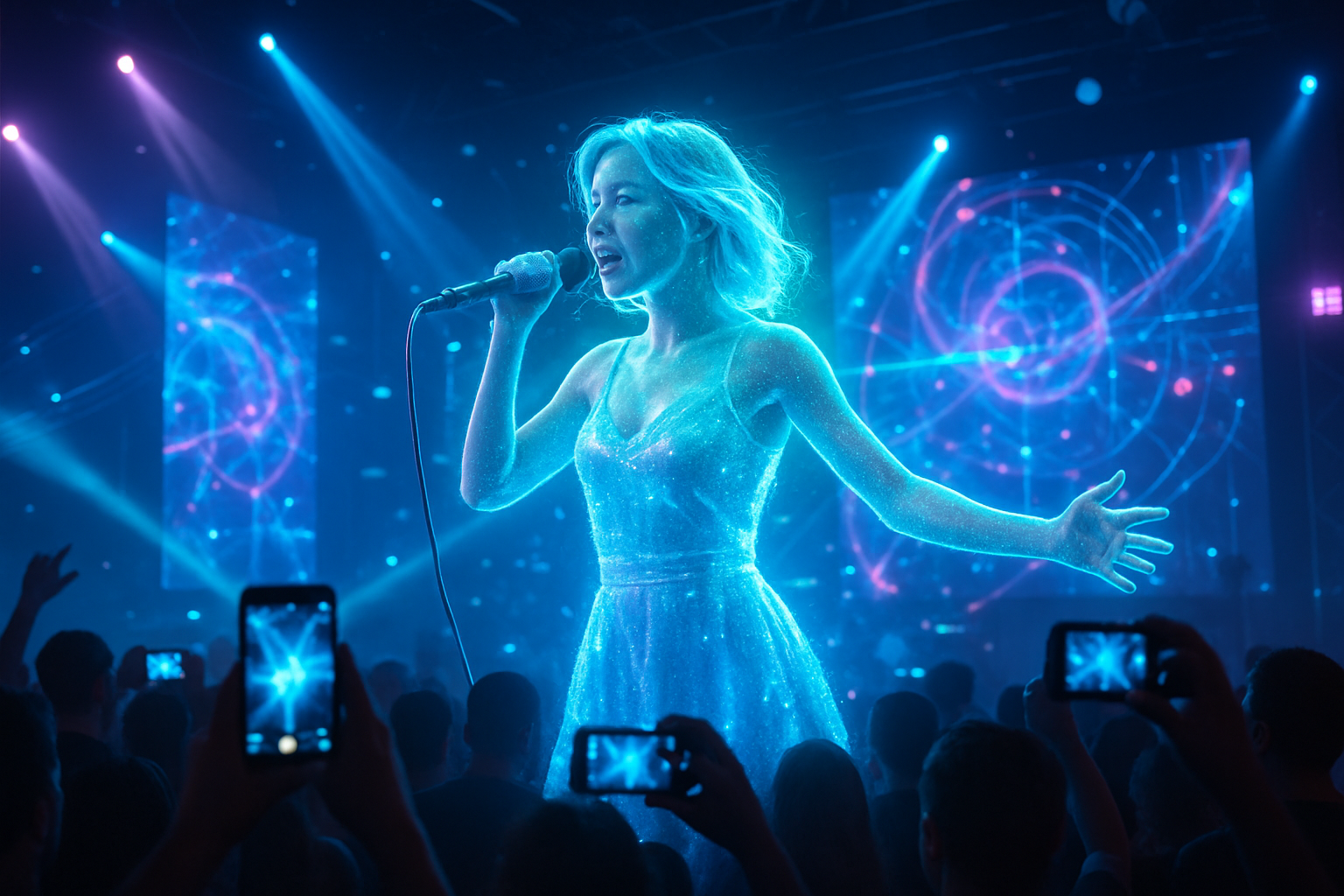
The sensual melodies of Lolita Cercel, an AI-generated singer, have become a genuine media phenomenon in Romania, demonstrating the growing acceptance of artificial intelligence in entertainment while simultaneously sparking intense debates about virtual performers and cultural representation.
Romanian audiences have embraced this virtual artist with unprecedented enthusiasm, marking a significant milestone in the global shift toward AI-generated entertainment content. The popularity of Lolita Cercel represents more than just technological novelty—it signals a fundamental transformation in how audiences consume and relate to digital performers in an era of rapid AI advancement.
Virtual Artist Phenomenon Emerges
Lolita Cercel's rise to prominence occurs within the broader context of what industry experts are calling the "2026 AI Revolution in Cinema." This virtual singer's success coincides with major developments across the entertainment landscape, including ByteDance's Seedance 2.0 cinema-quality video generation and the emergence of other AI performers like "Tilly Norwood," the first AI actress who recently released her debut song "Take the Lead."
The Romanian virtual singer represents a successful case study in AI entertainment integration, demonstrating how artificial intelligence can create compelling content that resonates with real audiences. Her sensual musical style and carefully crafted persona have captured the attention of Romanian media and audiences, proving that virtual performers can achieve authentic cultural impact.
Cultural Debate and Representation Concerns
However, Lolita Cercel's success has not been without controversy. Critics have raised concerns about the character being perceived as an incarnation of anti-Roma racism, highlighting the complex cultural and social implications of AI-generated personas. This debate reflects broader questions about representation, authenticity, and responsibility in the creation of virtual influencers.
The controversy surrounding Lolita Cercel demonstrates how AI-generated entertainment must navigate sensitive cultural terrain. As virtual performers become more sophisticated and influential, questions about their design, messaging, and cultural impact become increasingly important for creators and platforms to address responsibly.
Entertainment Industry Transformation Context
The Romanian virtual singer's success occurs amid unprecedented transformation in the global entertainment industry. Recent developments include sophisticated AI avatars at CinemaCon 2026, including Val Kilmer AI-generated appearances alongside Tom Holland holograms, and growing concerns about content authenticity as AI capabilities advance rapidly.
"The challenge involves harnessing technology responsibly while preserving essentially human storytelling aspects that provide emotional resonance and cultural significance."
— Entertainment Industry Analysis, March 2026
Infrastructure constraints, including global semiconductor shortages that have driven memory chip prices up sixfold, have paradoxically spurred innovation in memory-efficient algorithms and sustainable AI deployment strategies. These constraints have democratized access to advanced AI tools, enabling smaller creative teams to produce sophisticated virtual performers like Lolita Cercel.
Global Virtual Influencer Landscape
Romania's virtual singer phenomenon fits within a broader international trend of AI-generated content creators gaining mainstream acceptance. From Prague designer Vašek Krejčí's hyper-realistic "Postapo Praha" project to Hollywood's increasing integration of AI-powered filmmaking tools, virtual personalities are reshaping entertainment consumption patterns worldwide.
The success of performers like Lolita Cercel has prompted major technology companies to invest heavily in virtual entertainment capabilities. Alphabet's $185 billion AI infrastructure investment in 2026 represents the largest single-year corporate technology investment in history, while Amazon has committed over $1 trillion to AI development plans spanning the next decade.
Regulatory and Ethical Considerations
The rise of virtual influencers like Lolita Cercel occurs amid intensifying global regulatory scrutiny of AI-generated content. Spain has implemented the world's first criminal executive liability framework for technology platforms, while France has conducted AI cybercrime raids. The UN has established an Independent Scientific Panel with 40 experts to provide the first international AI assessment, representing the most sophisticated global technology governance framework since internet commercialization.
These regulatory developments reflect growing recognition that AI entertainment raises fundamental questions about authenticity, intellectual property, and the preservation of human creativity. The success of virtual performers must be balanced against concerns about transparency, consent, and cultural sensitivity in their creation and deployment.
Technical Innovation Behind Virtual Success
Creating compelling virtual performers like Lolita Cercel requires sophisticated integration of multiple AI technologies, including natural language processing for conversational capabilities, advanced voice synthesis for musical performance, and real-time animation systems for visual representation. The technical achievement represents years of development in making AI-generated content indistinguishable from human-created material.
The Romanian virtual singer's success demonstrates how effective virtual performers require not just technological sophistication but also careful attention to personality development, cultural authenticity, and audience engagement strategies. Her creators have successfully balanced AI capabilities with genuine entertainment value, creating a virtual artist who resonates with real audiences.
Future Implications for Entertainment
Industry experts identify the success of virtual performers like Lolita Cercel as representing a critical "civilizational choice point" where AI transitions from experimental to essential entertainment infrastructure. The decisions made regarding virtual influencer development, regulation, and cultural integration will establish patterns for human-AI relationships in entertainment for decades to come.
Successful integration models suggest that the future lies in sophisticated human-AI collaboration rather than wholesale replacement of human performers. The most promising approaches treat AI as amplification tools that enhance creative possibilities while preserving the uniquely human elements of imagination, cultural understanding, and authentic expression that provide emotional resonance.
Economic and Cultural Impact
The economic implications of virtual performers extend beyond individual success stories to fundamental changes in entertainment business models. Virtual artists like Lolita Cercel can perform continuously without physical limitations, create content at unprecedented scale, and reach global audiences simultaneously, potentially disrupting traditional entertainment industry structures.
However, this transformation raises important questions about employment in creative industries, the value of human artistic expression, and the preservation of cultural authenticity in an increasingly AI-mediated entertainment landscape. The Romanian virtual singer's success provides a template for navigating these challenges while maintaining audience engagement and cultural relevance.
Looking Forward
As Lolita Cercel continues to gain popularity in Romania, her success serves as both inspiration and cautionary tale for the global entertainment industry. Virtual performers offer unprecedented creative possibilities and audience engagement opportunities, but they also require careful consideration of cultural sensitivity, representation, and ethical responsibility.
The ongoing debate surrounding Romania's AI-generated singer reflects broader questions about the future of entertainment in an AI-integrated world. Success will depend on maintaining balance between technological innovation and human values, ensuring that virtual performers enhance rather than diminish the richness of cultural expression and authentic human connection that defines meaningful entertainment.
The phenomenon of Lolita Cercel represents more than a technological curiosity—it signals a fundamental shift in how entertainment is created, consumed, and understood in the digital age. As virtual influencers become increasingly sophisticated and culturally influential, the lessons learned from Romania's AI singing sensation will prove invaluable for shaping the responsible development of AI entertainment worldwide.