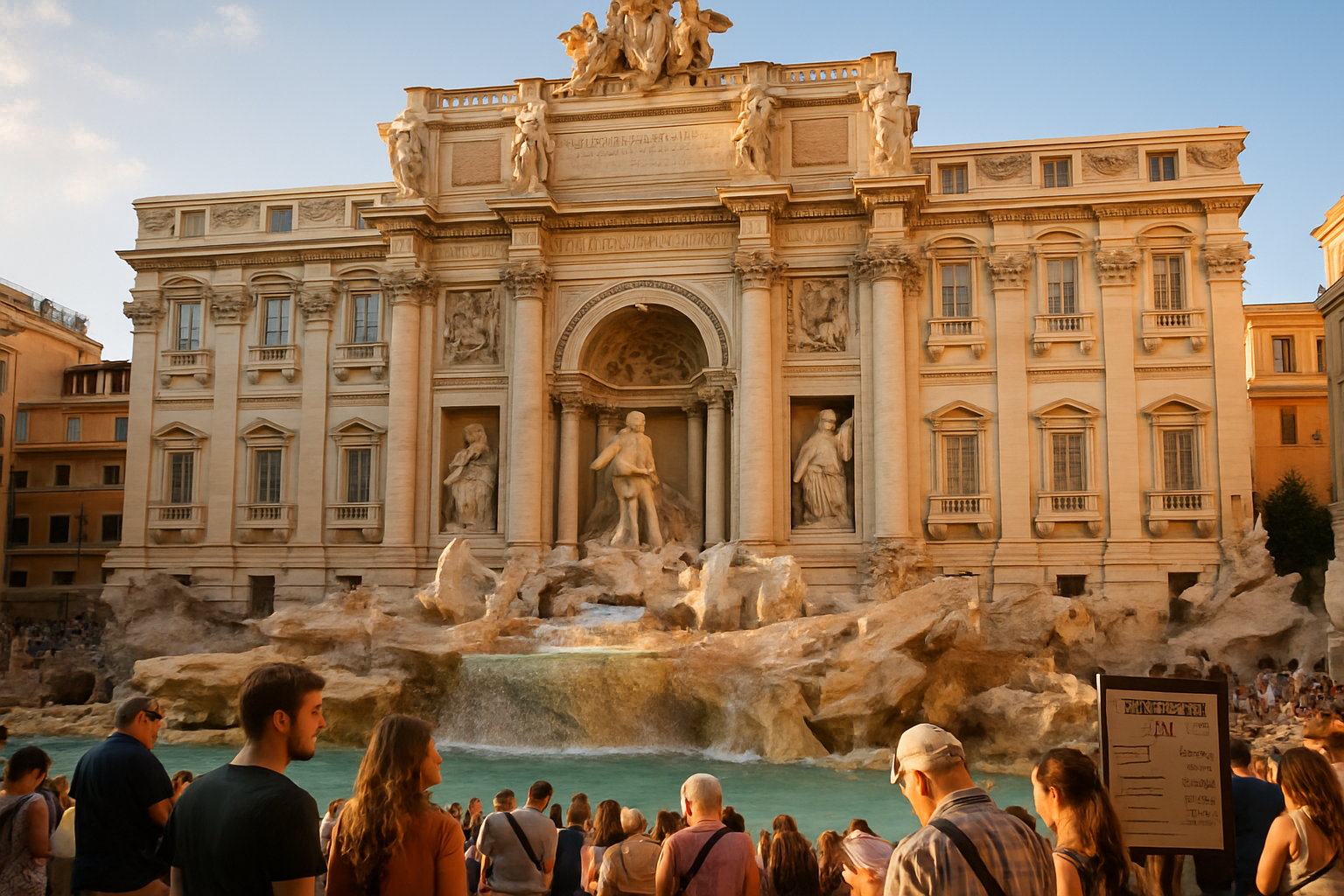
Rome has introduced a €2 entry fee for visitors to access the world-renowned Trevi Fountain, marking a significant shift in how the Italian capital manages tourism at one of its most iconic landmarks. The new ticketing system, which took effect on Monday, February 3, 2026, represents the city's latest effort to address overcrowding while generating revenue for monument preservation.
The fee applies to tourists wanting to get close to the baroque masterpiece, one of the world's most visited fountains that traditionally has been accessible free of charge. According to city officials, the measure is designed to improve the overall tourist experience by managing crowd density and creating a more organized viewing environment.
Implementation Details and Operating Hours
The ticketing system operates on a tiered schedule designed to maximize crowd control during peak visiting hours. From Monday through Friday, the fee applies between 11:30 AM and 10:00 PM, while weekend hours extend from 9:00 AM to 10:00 PM. During off-peak hours, visitors can still access the fountain without charge, providing budget-conscious tourists with alternative viewing times.
The pricing structure reflects what city planners describe as a modest fee equivalent to the cost of a coffee in Rome, making it accessible while still serving its crowd management purpose. The system requires advance booking or on-site ticket purchase, with digital payment options available to streamline the entry process.
Revenue Projections and Investment Plans
City authorities project the new fee will generate approximately €6.5 million annually for the local budget. These funds are earmarked specifically for monument maintenance and infrastructure improvements across Rome's historic center. The revenue stream comes at a critical time when the city faces mounting costs for preserving its extensive archaeological and architectural heritage.
The financial planning behind the initiative reflects the enormous visitor numbers the fountain attracts. In 2025 alone, over 10 million people visited the Trevi Fountain, according to data cited by The Guardian. This massive influx has created significant wear and tear on both the monument itself and the surrounding infrastructure, necessitating constant maintenance and periodic restoration work.
The generated funds will support a broader investment strategy for Rome's monuments, potentially extending preservation efforts to other historic sites that currently operate without dedicated revenue streams. City officials view this as a sustainable financing model that directly links tourism benefits to conservation responsibilities.
Tourist Reactions: A Tale of Two Perspectives
The implementation has sparked polarized reactions among visitors, with responses generally falling into two distinct camps. Critics argue that access to historic monuments should remain free, viewing the fee as commodifying cultural heritage that belongs to all humanity. This group contends that charging for access to historic sites sets a concerning precedent that could extend to other landmarks throughout Europe.
"This is history, it should be free,"
— Tourist reaction, as reported by Digi24
Conversely, supporters of the measure acknowledge the practical necessity of crowd management and express acceptance of what they consider a reasonable charge. Many visitors compare the fee to the cost of a coffee, suggesting the amount is modest enough to not significantly impact tourism decisions while providing tangible benefits through improved crowd control.
The debate reflects broader discussions occurring across European tourist destinations about balancing accessibility with sustainability. Cities from Venice to Amsterdam have implemented similar measures, suggesting a growing trend toward user-pay systems for managing popular attractions.
Crowd Management Strategy
Beyond revenue generation, the ticketing system serves as a crowd control mechanism designed to prevent the dangerous overcrowding that has occasionally forced authorities to temporarily close access to the fountain. The structured entry system allows for better flow management and reduces the chaotic scenes that have become common during peak tourist seasons.
The fountain's popularity on social media platforms has intensified visitor numbers in recent years, with many tourists seeking the perfect photograph or attempting to participate in the traditional coin-throwing ritual. The new system aims to create a more orderly environment that enhances safety while preserving the quality of the visitor experience.
City planners hope the fee will also encourage tourists to visit during off-peak hours when access remains free, effectively redistributing visitor numbers throughout the day and reducing pressure during traditional peak times.
Broader Tourism Management Context
The Trevi Fountain fee represents part of Rome's comprehensive approach to sustainable tourism management. The city has been grappling with overtourism challenges similar to those facing other major European destinations, where the sheer volume of visitors threatens both the preservation of cultural sites and the quality of life for local residents.
This initiative follows other European cities' examples in implementing visitor management systems. The approach reflects a growing recognition among municipal authorities that popular tourist destinations require active management to remain sustainable in the long term.
The success of this pilot program may influence similar implementations at other Roman landmarks, potentially creating a network of managed-access historic sites throughout the city. Such a system could provide a stable funding mechanism for ongoing preservation efforts while ensuring that tourism remains beneficial rather than burdensome for the local community.
Looking Forward
The Trevi Fountain entry fee represents a significant experiment in heritage site management that will likely be closely monitored by tourism authorities across Europe. Early results will provide valuable data on visitor behavior, revenue generation, and the effectiveness of pricing as a crowd management tool.
As Rome continues to balance its role as a living city with its responsibilities as curator of world heritage sites, measures like the Trevi Fountain fee may become increasingly common. The challenge will be implementing such systems in ways that preserve accessibility while ensuring the long-term sustainability of these irreplaceable cultural treasures.
The success or failure of this initiative could influence tourism management strategies not only in Rome but across European cultural destinations facing similar pressures from increasing global tourism demand.