A 19-year-old Mexican migrant identified as Royer Pérez Jiménez died while in U.S. Immigration and Customs Enforcement custody at the Glades County Detention Center in Florida, marking another tragic death in America's immigration detention system that has prompted immediate diplomatic intervention from Mexico.
The death of Pérez, which occurred on March 16, 2026, has sparked urgent calls for investigation from the Mexican government, with the Secretariat of Foreign Relations (SRE) confirming it would utilize "all diplomatic and legal channels" to clarify the circumstances surrounding the young man's death while under ICE custody.
Death Raises Accountability Questions
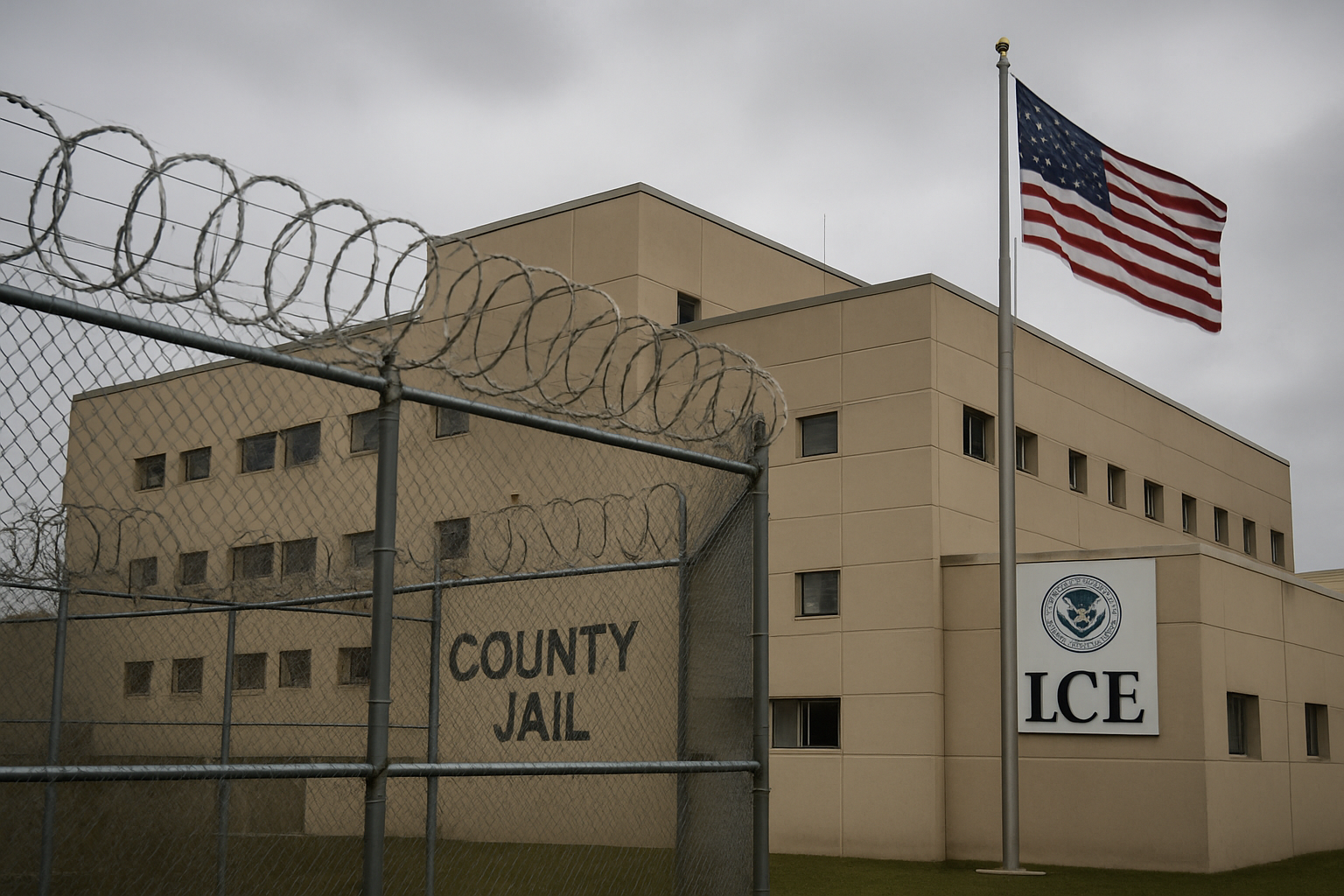
According to U.S. Immigration and Customs Enforcement, the 19-year-old Mexican national died at the county jail facility that has been housing immigrant detainees. The Glades County Detention Center, located in south-central Florida, is one of numerous facilities used by ICE to hold individuals in immigration proceedings.
Mexican authorities moved swiftly to demand answers, with the SRE stating it would pursue the matter through both diplomatic channels and legal mechanisms available under international law. The response reflects Mexico's growing concern over the treatment of its nationals in U.S. immigration custody, particularly as deaths in detention continue to occur.
The timing of Pérez's death is particularly significant, coming amid heightened immigration enforcement operations that have resulted in quadrupled deportation rates compared to previous levels, according to a University of California study. Current polling shows two-thirds of Americans believe ICE enforcement has "gone too far," reflecting growing public unease with aggressive immigration tactics.
Pattern of Deaths in ICE Custody
Pérez's death adds to a troubling pattern of fatalities within the U.S. immigration detention system that has drawn increasing scrutiny from civil rights organizations and foreign governments. Recent cases have highlighted systemic issues within detention facilities, including inadequate medical care and dangerous conditions.
Just days before Pérez's death, Afghan refugee Nazeer Paktiawal, a former soldier who worked alongside U.S. special forces, died March 14, 2026, after developing health complications while in ICE detention near Dallas. CAIR-Texas demanded a full transparent investigation into those circumstances as well.
The deaths occur against the backdrop of the Trump administration's massive immigration detention expansion, including a $38.3 billion plan to retrofit warehouses into regional detention centers capable of holding 1,000-1,500 detainees each. This represents the largest immigration detention infrastructure expansion in U.S. history.
Mexico's Diplomatic Response
Mexico's immediate diplomatic response underscores the gravity with which the government views deaths of its nationals in U.S. custody. The SRE's commitment to pursuing "all diplomatic and legal channels" suggests potential formal diplomatic protests and possible involvement of international human rights mechanisms.
This latest death comes as Mexico has already issued warnings to its nationals about ICE operations during major public events, including advisories during Super Bowl LX in February. The Mexican consulate system has been actively monitoring immigration enforcement operations and providing assistance to detained nationals.
The diplomatic implications extend beyond this individual case, potentially affecting the broader U.S.-Mexico relationship at a time when immigration policy has become increasingly contentious. Mexico's firm stance on investigating deaths in custody reflects its commitment to protecting the rights of its citizens abroad.
Systemic Issues in Immigration Detention
The death at Glades County Detention Center highlights broader systemic issues within America's immigration detention system. Federal courts have increasingly required ICE to obtain warrants before arrests unless there is flight risk, while civil rights lawsuits challenge visa suspensions affecting 75 countries.
Congressional Democrats have threatened to block Department of Homeland Security funding unless "drastic changes" are implemented in ICE operations. The current political crisis over immigration enforcement accountability has led to unprecedented scrutiny of detention conditions and practices.
Recent enforcement operations have resulted in families hiding from immigration raids, with some avoiding essential services out of fear. The economic disruption has spread across agriculture, hospitality, and healthcare sectors as immigrant communities face increased enforcement pressure.
International Scrutiny Intensifies
The death of Royer Pérez occurs as international media extensively covers U.S. immigration enforcement, with European outlets using terms like "bloodbath" to describe the current enforcement climate. The systematic nature of enforcement operations has drawn diplomatic concerns from multiple countries beyond Mexico.
Native American communities have reported racial profiling during enforcement operations, while several federal judges have established requirements for ICE warrants unless there is clear flight risk. The institutional resistance from federal courts has created a complex legal patchwork that agencies must navigate.
Immigration enforcement has become a test of democratic oversight over federal agencies, with body camera requirements implemented in some jurisdictions following fatal encounters between ICE agents and civilians. The accountability measures represent unprecedented federal law enforcement oversight in immigration enforcement.
Calls for Comprehensive Reform
Civil rights organizations continue to challenge immigration policies through the courts, while human rights advocates demand improved conditions in detention facilities. The death of young migrants like Pérez has intensified calls for comprehensive immigration detention reform.
The case highlights the human cost of current immigration policies, particularly for young people caught in an enforcement system that advocates argue has become increasingly militarized and punitive. Pérez's death at just 19 years old represents a life cut short within a system facing growing criticism for its treatment of vulnerable populations.
As Mexico pursues its investigation through diplomatic and legal channels, the case of Royer Pérez Jiménez may serve as a catalyst for broader discussions about immigration detention practices, international accountability, and the treatment of migrants in U.S. custody. The outcome of Mexico's intervention could influence how similar cases are handled and potentially affect broader U.S.-Mexico diplomatic relations on immigration issues.