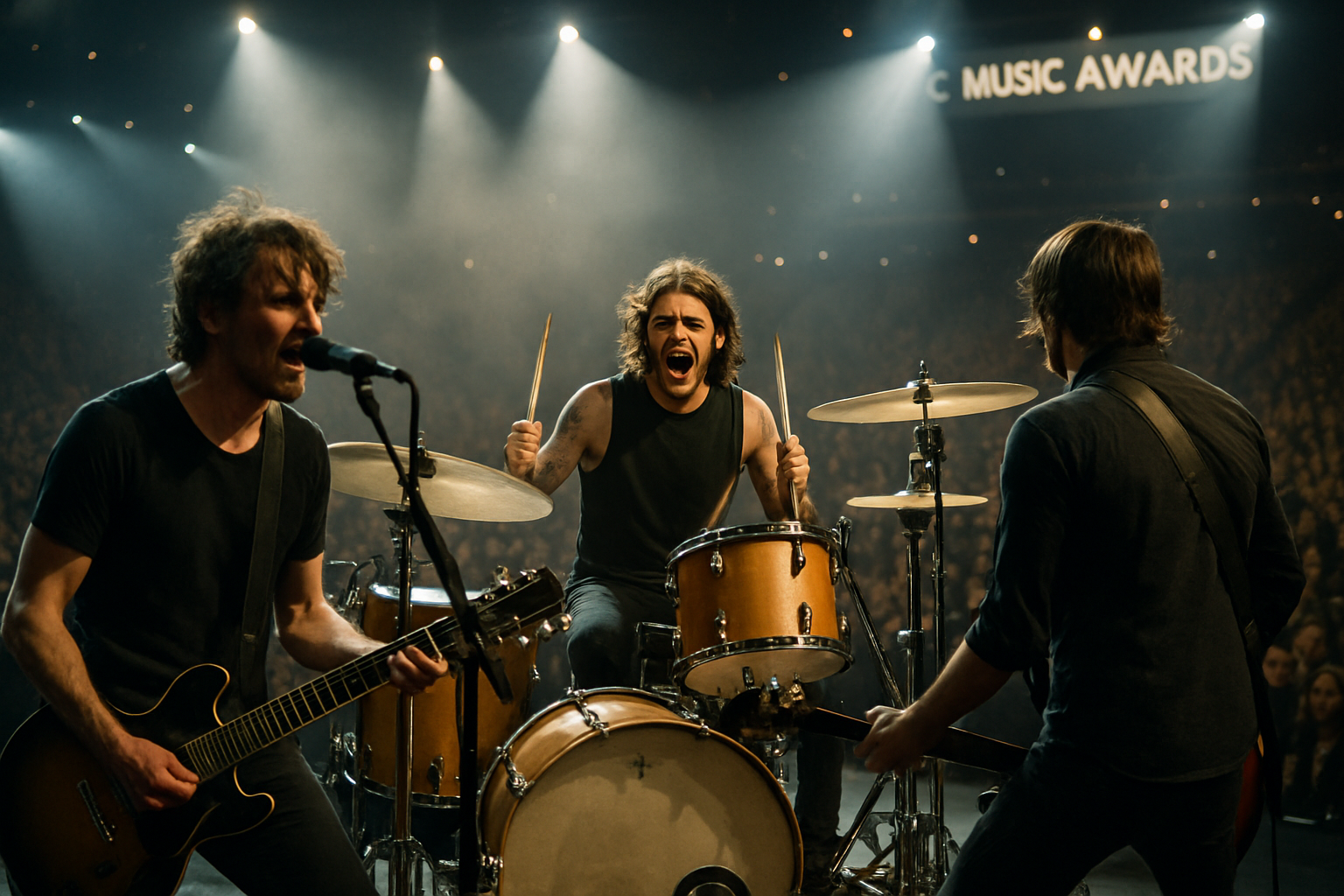
Legendary Canadian rock band Rush made their highly anticipated return to the stage at the 2026 Juno Awards in Hamilton on Sunday, March 29, officially introducing their new drummer and marking the beginning of a new era for one of Canada's most revered musical exports.
The momentous performance at Hamilton's FirstOntario Centre represented Rush's first live appearance with a new drummer since the passing of Neil Peart in January 2020, ending years of speculation about the future of the progressive rock titans. Geddy Lee and Alex Lifeson, the band's surviving founding members, took the stage with their new percussionist to thunderous applause from the sold-out audience of music industry luminaries and devoted fans.
A Historic Moment for Canadian Rock
The performance comes amid what music critics have dubbed the "February 2026 Cultural Renaissance," a period of unprecedented international artistic collaboration and cultural expression. Rush's return fits perfectly within this broader cultural moment, demonstrating how established artists can honor their legacy while embracing necessary evolution.
The band's appearance at the Junos held particular significance, as Hamilton holds special meaning in Rush's history. The Ontario city, known for its steel industry heritage, has always resonated with the band's working-class ethos and progressive musical ambitions. Their choice to debut their new lineup at Canada's premier music awards ceremony in Hamilton sent a powerful message about their commitment to their Canadian roots.
"This feels like coming home in the truest sense. Hamilton, the Junos, our fans – this is where Rush belongs."
— Geddy Lee, Rush vocalist and bassist
The Challenge of Replacing a Legend
Neil Peart's impact on Rush and the drumming world cannot be overstated. Known as "The Professor," Peart was widely regarded as one of the greatest drummers in rock history, combining technical virtuosity with philosophical lyricism that helped define Rush's intellectual approach to progressive rock. His passing left not just a musical void, but an emotional and creative chasm that many believed could never be filled.
The search for a new drummer reportedly took several years, with Lee and Lifeson taking time to grieve their friend and bandmate while carefully considering whether Rush could continue without him. Industry sources suggest the duo auditioned dozens of drummers before finding someone who could honor Peart's legacy while bringing their own creative voice to the band.
The new drummer's identity had been closely guarded leading up to the Junos performance, with the band maintaining strict secrecy about their selection. This approach built anticipation while allowing the musician to prepare for the immense pressure of stepping into one of rock music's most demanding roles.
Performance Highlights and Crowd Response
Rush's Junos performance featured a carefully curated setlist that balanced fan favorites with material that showcased their new drummer's capabilities. The band opened with "Freewill," a classic that allowed all three members to demonstrate their instrumental prowess while serving as a metaphorical statement about choosing to continue their musical journey.
The performance also included "Time Stand Still," which took on new emotional resonance given the band's journey through loss and renewal. The crowd's response was overwhelmingly positive, with multiple standing ovations throughout the set and an extended final ovation that lasted several minutes.
Canadian music industry veterans noted the symbolic importance of Rush's return during a time when the domestic music scene is experiencing renewed international attention. The band's presence at the Junos reinforced their status as cultural ambassadors while inspiring a new generation of Canadian musicians.
Technical Excellence and Musical Chemistry
Music critics present at the performance praised the new drummer's technical proficiency and ability to navigate Rush's complex compositions. The musician demonstrated familiarity with Peart's intricate arrangements while adding subtle personal flourishes that suggested the potential for creative growth.
The chemistry between Lee, Lifeson, and their new bandmate appeared remarkably strong for such an early performance together. Observers noted the comfort level displayed during the band's instrumental passages and the natural interplay that has always defined Rush's live performances.
"What struck me most was how organic it sounded. This isn't someone trying to be Neil Peart – this is someone who understands what Rush needs to move forward."
— Music critic reviewing the performance
Industry Impact and Future Implications
Rush's return has significant implications for the broader music industry, particularly regarding how legendary bands navigate member changes and evolving lineups. Their approach – taking time to grieve, carefully selecting a replacement, and returning in a meaningful context – may serve as a model for other established acts facing similar transitions.
The performance also occurs during a period of increased interest in Canadian music on the global stage. Recent international successes by Canadian artists across various genres have created momentum that Rush's return helps sustain and amplify.
Record industry analysts suggest that Rush's revival could spark renewed interest in progressive rock and inspire younger musicians to explore the genre's complex arrangements and philosophical themes. The band's influence on multiple generations of musicians makes their continued activity culturally significant beyond their own fanbase.
Looking Ahead: Tours and New Music
While the band has not officially announced touring plans or new recording projects, industry speculation suggests that the Junos performance was designed to test the waters for more extensive activities. Lee and Lifeson have previously indicated their desire to continue creating music, and the successful debut of their new drummer creates possibilities that seemed unlikely just months ago.
The band's management has confirmed that they are considering various options for future activities, including potential festival appearances and selective touring. Any announcements regarding new music or extensive touring would likely generate significant international attention given the band's devoted global following.
The timing of Rush's return also coincides with growing interest in reunion tours and legacy acts exploring new creative directions. Their approach of introducing a new member while honoring their history positions them uniquely within this trend.
Cultural Legacy and Continuing Influence
Rush's influence on Canadian culture extends far beyond music, encompassing themes of intellectual curiosity, creative ambition, and artistic integrity that resonate throughout the country's cultural landscape. Their return reinforces these values while demonstrating how cultural institutions can adapt and endure through significant changes.
The band's Junos performance also highlighted the ongoing importance of live music and shared cultural experiences. In an era of digital streaming and virtual entertainment, Rush's return to the stage emphasized the irreplaceable power of live musical performance and communal celebration.
Their decision to debut their new lineup at Canada's most prestigious music awards ceremony reflects their commitment to supporting the domestic music industry while honoring their own legacy within Canadian cultural history.
The Road Forward
Rush's successful return at the 2026 Junos represents more than just a nostalgic performance – it marks the beginning of a new chapter for one of Canada's most important cultural exports. The band's ability to honor Neil Peart's memory while embracing creative renewal demonstrates the resilience of artistic vision and the enduring power of musical collaboration.
As Rush moves forward with their new lineup, they carry with them the expectations of millions of fans worldwide and the responsibility of maintaining their position as progressive rock pioneers. Their Junos debut suggests they are prepared to meet these challenges while continuing to push musical boundaries and inspire future generations of artists.
The band's return during the "February 2026 Cultural Renaissance" positions them within a broader moment of artistic renewal and international cultural exchange, ensuring that Rush's influence will continue to resonate both within Canada and around the world for years to come.