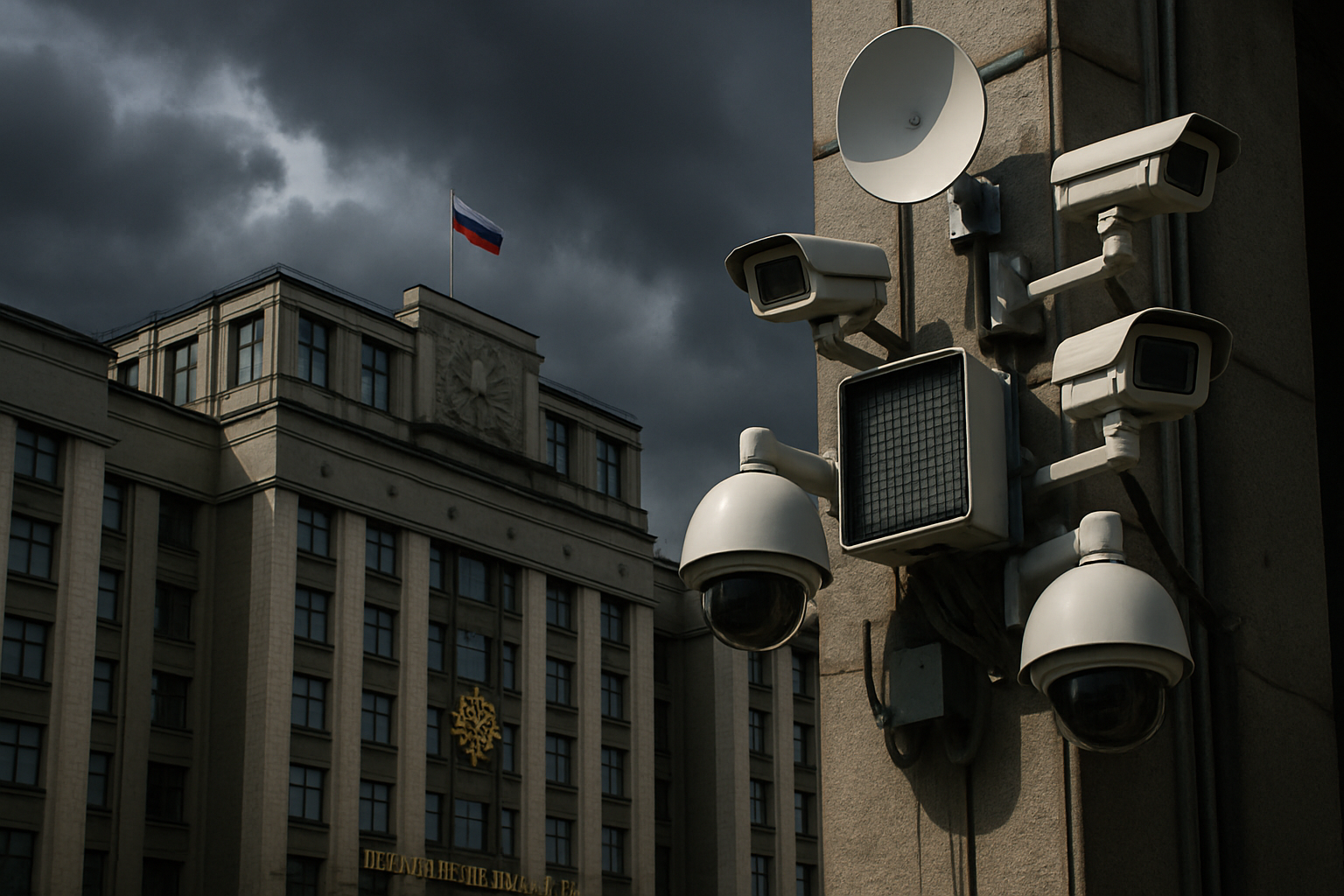
A comprehensive package of new laws has taken effect across Russia this spring, significantly expanding state control over business practices, social values, and religious activities, while authorities simultaneously crack down on what they term "totalitarian sects."
The legislative changes, which came into force on March 1, 2026, represent one of the most sweeping reforms to Russian civil society in recent years, touching everything from corporate governance to personal communications. The timing coincides with increased arrests of cult leaders across the country, signaling a broader campaign to impose state-approved social norms.
Business Russification Requirements
Among the most significant changes are new requirements for foreign-owned businesses operating in Russia to undergo what authorities term "russification." Companies must now demonstrate compliance with Russian cultural values in their operations, advertising, and corporate governance structures.
The legislation requires businesses to prioritize Russian language in all customer communications, adopt Russian cultural symbols in their branding, and ensure that senior management positions are filled by Russian citizens or long-term residents who have passed ideological compatibility assessments.
Digital Sovereignty Expansion
Building on previous digital control measures, the new laws significantly expand the state's authority over online communications. This follows the controversial FSB Communications Control Law passed in February 2026, which granted unprecedented powers to security services to shut down internet services, mobile communications, and even postal services without requiring specific security threats.
The latest measures now require all Russian citizens to verify their identity on messaging platforms including WhatsApp and Telegram using government-issued identification and biometric verification. Privacy advocates warn this creates a comprehensive surveillance database that could be used to monitor activists, journalists, and dissidents.
The implementation represents the most aggressive approach to digital sovereignty in the world, surpassing even China's internet controls in scope and intrusiveness.
Traditional Values Codification
Perhaps the most far-reaching aspect of the new legislation is the formal codification of "traditional values" into Russian law. The measures define traditional Russian values as Orthodox Christianity, heterosexual marriage, respect for elders and authority, and patriotism.
Educational institutions must now incorporate these values into all curricula, while media organizations face penalties for content deemed to undermine traditional family structures or religious beliefs. The laws also restrict public displays or advocacy of what authorities term "non-traditional lifestyle choices."
Cult Leader Crackdowns
Simultaneously with the implementation of these laws, Russian authorities have intensified their crackdown on religious movements deemed "totalitarian sects." According to reports from Lenta.ru, three cult leaders were arrested in an unnamed Russian region as part of what officials describe as efforts to protect citizens from harmful religious influence.
The arrests appear to be part of a coordinated campaign targeting religious groups that operate outside the Russian Orthodox Church or other state-approved religious organizations. Authorities claim these groups pose threats to traditional Russian values and family structures.
"These so-called spiritual leaders exploit vulnerable citizens and undermine the traditional foundations of Russian society. We will not tolerate such activities on Russian soil."
— Regional Security Official (name withheld)
International Response and Implications
The comprehensive nature of these reforms has drawn international attention and concern from human rights organizations. The European Union has expressed particular worry about the restrictions on digital communications and religious freedom.
The laws represent a continuation of Russia's broader "sovereign internet" campaign that began in 2022, aimed at creating a digital infrastructure independent of Western technology and oversight. Previous measures included the complete blocking of WhatsApp for over 100 million users and the promotion of the state-controlled "Max" messenger platform.
Economic and Social Impact
The business russification requirements are expected to particularly impact multinational corporations operating in Russia. Companies now face the choice of complying with extensive ideological requirements or potentially facing restrictions on their operations.
The digital verification mandates affect everyday communications for millions of Russians, creating uncertainty about privacy and the security of personal information. Many citizens report concerns about the long-term implications of having all their digital communications tied to government-issued identification.
Enforcement Mechanisms
The new laws come with significant enforcement powers. Businesses that fail to comply with russification requirements face hefty fines, operational restrictions, or complete shutdowns. Individuals who fail to comply with digital verification requirements may find themselves cut off from essential communication services.
Religious organizations that don't conform to traditional values guidelines face potential prosecution under extremism laws, while educational institutions risk losing accreditation for failing to incorporate approved curricula.
Looking Forward
These sweeping changes represent a significant moment in Russia's ongoing transformation of its legal and social framework. The combination of business controls, digital surveillance, traditional values enforcement, and religious restrictions creates what observers describe as one of the most comprehensive social control systems in the modern world.
As these laws take effect, their practical implementation and public response will likely determine whether similar measures are expanded further or face resistance from Russian society. The international community continues to monitor developments closely, particularly given their potential impact on global digital communications and business operations.
The convergence of these multiple control mechanisms - economic, digital, cultural, and religious - signals Russia's commitment to creating what officials term a "sovereign civilization" independent of Western influence and values.