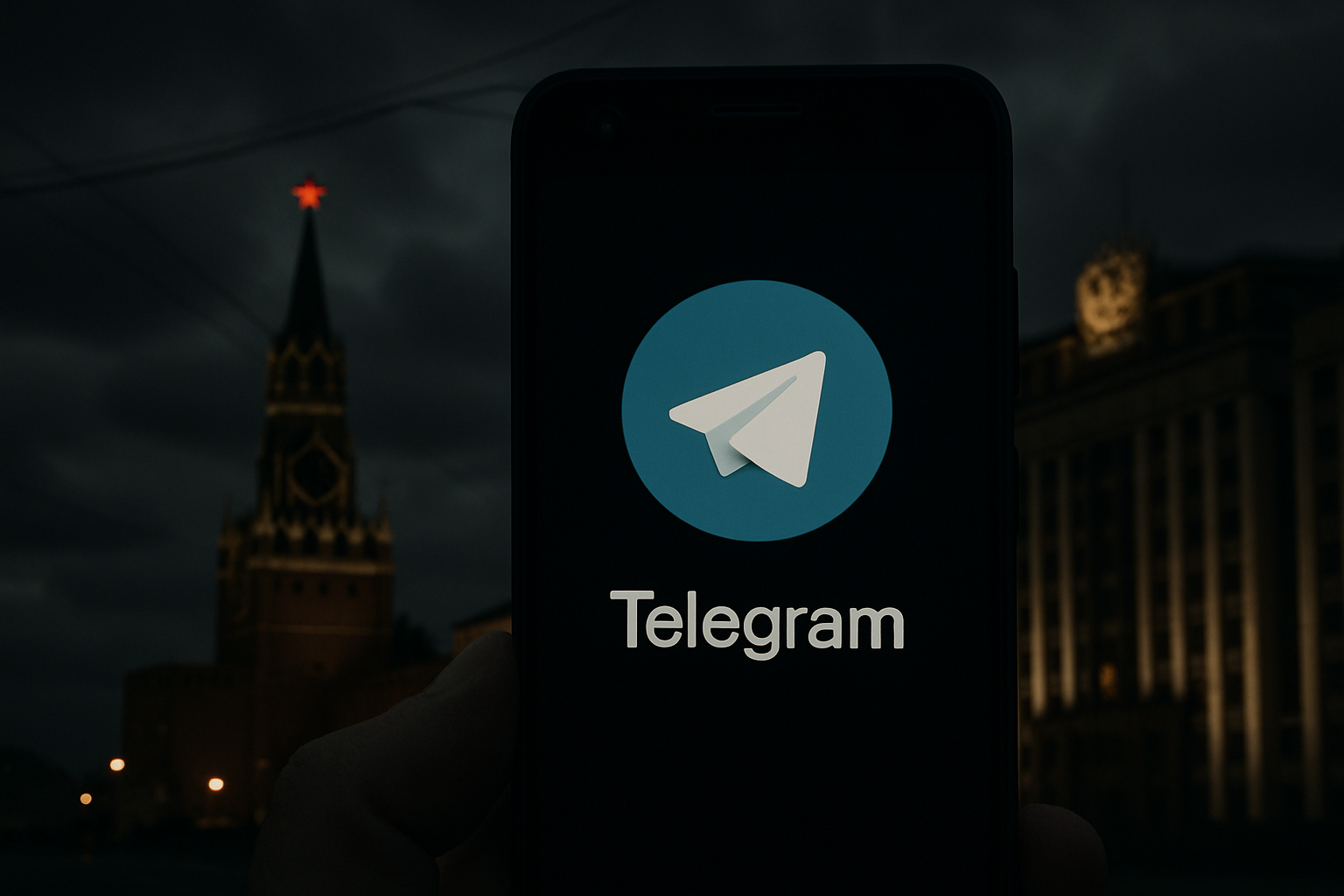
Russian authorities have begun implementing comprehensive restrictions against the Telegram messaging platform, with Roskomnadzor announcing "gradual restrictions" while users across multiple regions report significant service disruptions and connectivity issues.
The Russian telecommunications regulator Roskomnadzor announced Tuesday that it is implementing systematic limitations against Telegram, citing the platform's alleged "violation of Russian legislation" and failure to "protect personal data" and combat fraud. The move represents the latest escalation in Russia's ongoing efforts to control digital communications platforms.
Technical Restrictions and User Impact
According to data from monitoring services including Сбой.рф and Downdetector, Russian users have experienced widespread technical difficulties with Telegram for two consecutive days. The restrictions appear to focus on "slowing" the service rather than implementing an outright block, similar to previous measures taken against YouTube and other foreign platforms.
Kommersant newspaper reported that response times for Telegram domains have already doubled, indicating technical throttling measures are actively being implemented. Users in northern territories, including the Nenets Autonomous Okrug, Magadan Oblast, and Sakhalin Oblast, have been particularly affected by the disruptions.
The timing of these technical problems coincides with reports that Roskomnadzor has begun actively "slowing" the messenger service, though voice calls had already ceased functioning in Russia during summer 2025.
Official Government Position
Roskomnadzor issued a formal statement declaring its intention to "continue implementing sequential restrictions" against Telegram to ensure "compliance with Russian legislation and protect citizens." The regulator specifically cited concerns about:
- Inadequate protection of personal data
- Insufficient measures to combat fraud
- Platform use for criminal and terrorist activities
- Non-compliance with content removal requirements
Alexander Yushchenko, deputy head of the State Duma Committee on Information Policy, stated that deputies had not discussed the "slowing" of Telegram, suggesting the measures are being implemented at the regulatory level without legislative oversight.
Legal Enforcement Actions
The Moscow Tagansky District Court has registered seven administrative protocols against Telegram since the beginning of 2026 for refusing to remove prohibited content. These violations fall under Article 13.41 Part 4 of the Administrative Code, which covers failure to remove extremist materials and pornographic content.
The penalties under this statute can reach up to 4 million rubles (approximately $43,000) for corporate entities, representing a significant financial pressure mechanism beyond technical restrictions.
Political Context and Future Plans
Sources close to the Kremlin administration told independent media outlet Verstka that while complete blocking of Telegram is not currently planned, authorities are not ruling out such measures following September's State Duma elections. "This is a test," one unnamed source characterized the current restrictions, suggesting they serve as preparation for more comprehensive action.
The source indicated that decisions about complete blocking would depend on public sentiment following the elections, with authorities potentially using voter reactions to gauge feasibility of total restrictions.
"This is a test, [more severe measures] will come later"
— Kremlin source to Verstka
Impact on Alternative Platforms
Concurrent with Telegram restrictions, users of the Russian state-sponsored messaging platform Max reported widespread outages and technical difficulties. The number of complaints about Max's functionality surged dramatically following news reports about Telegram blocking, according to monitoring services.
Forbes reported significant user migration attempts to alternative platforms, though the Russian government's Max messenger experienced its own technical problems precisely when positioned as a domestic alternative to Telegram.
Despite official claims that Max operates "in normal mode," user reports suggest the platform struggles with capacity and functionality issues during periods of increased demand.
Military and Security Implications
The restrictions on Telegram carry particular significance given the platform's widespread use for military communications and coordination. International observers have noted concerns about how communication limitations might affect various operational activities, though specific impacts remain unclear due to the sensitive nature of such communications.
The gradual implementation approach suggests authorities are attempting to balance control objectives with practical communication needs across various sectors of Russian society and institutions.
International Reactions and Broader Context
The Telegram restrictions occur amid a broader global debate about platform regulation and digital sovereignty. Slovakia's Aktuality.sk reported that Russian authorities are promoting state-controlled internet services while reducing access to international platforms.
Ukrainian sources, including the Kyiv Post, characterized the measures as part of Russia's strategy to "throttle" international communication platforms while promoting domestic alternatives under government oversight.
The restrictions represent the fourth instance in six months that Russian authorities have implemented limitations against Telegram, suggesting an escalating pattern of regulatory pressure rather than isolated incidents.
Technical Implementation Strategy
Rather than implementing complete blocks that could be easily circumvented through VPN services, Russian authorities appear to be pursuing a "degradation" strategy that makes the platform increasingly unreliable and frustrating to use. This approach includes:
- Increased response times for server requests
- Intermittent connectivity issues
- Selective service disruptions in specific regions
- Limitations on specific features while maintaining basic functionality
This technical approach allows authorities to maintain plausible deniability while achieving practical restrictions on platform usage.
Economic and Market Implications
The restrictions have had immediate market implications, with VK Group shares (which owns the Max messenger platform) rising by up to 5% on the Moscow Exchange following news of Telegram limitations. This market reaction suggests investor confidence that domestic platforms will benefit from restrictions on international competitors.
The potential economic impact extends beyond direct platform competition to broader questions about Russia's digital economy and its integration with international communication networks.
Looking Ahead
Current developments suggest Russian authorities are implementing a calculated strategy of incremental pressure rather than sudden comprehensive blocking. The approach allows for testing public reaction, assessing technical feasibility, and potentially preparing infrastructure for more extensive restrictions.
The September State Duma elections appear to represent a critical decision point for determining whether current "test" measures evolve into permanent comprehensive restrictions. Public response to current limitations may significantly influence future policy directions.
As authorities continue to emphasize requirements for platforms to comply with Russian legislation, place servers within the country, and implement content moderation according to government standards, the broader question remains whether international platforms can maintain operations in Russia while meeting increasingly stringent regulatory demands.
The situation exemplifies broader global tensions between national sovereignty over digital communications and the international nature of modern internet platforms, with Russia's approach potentially serving as a model for other countries seeking greater control over digital communication infrastructure within their borders.