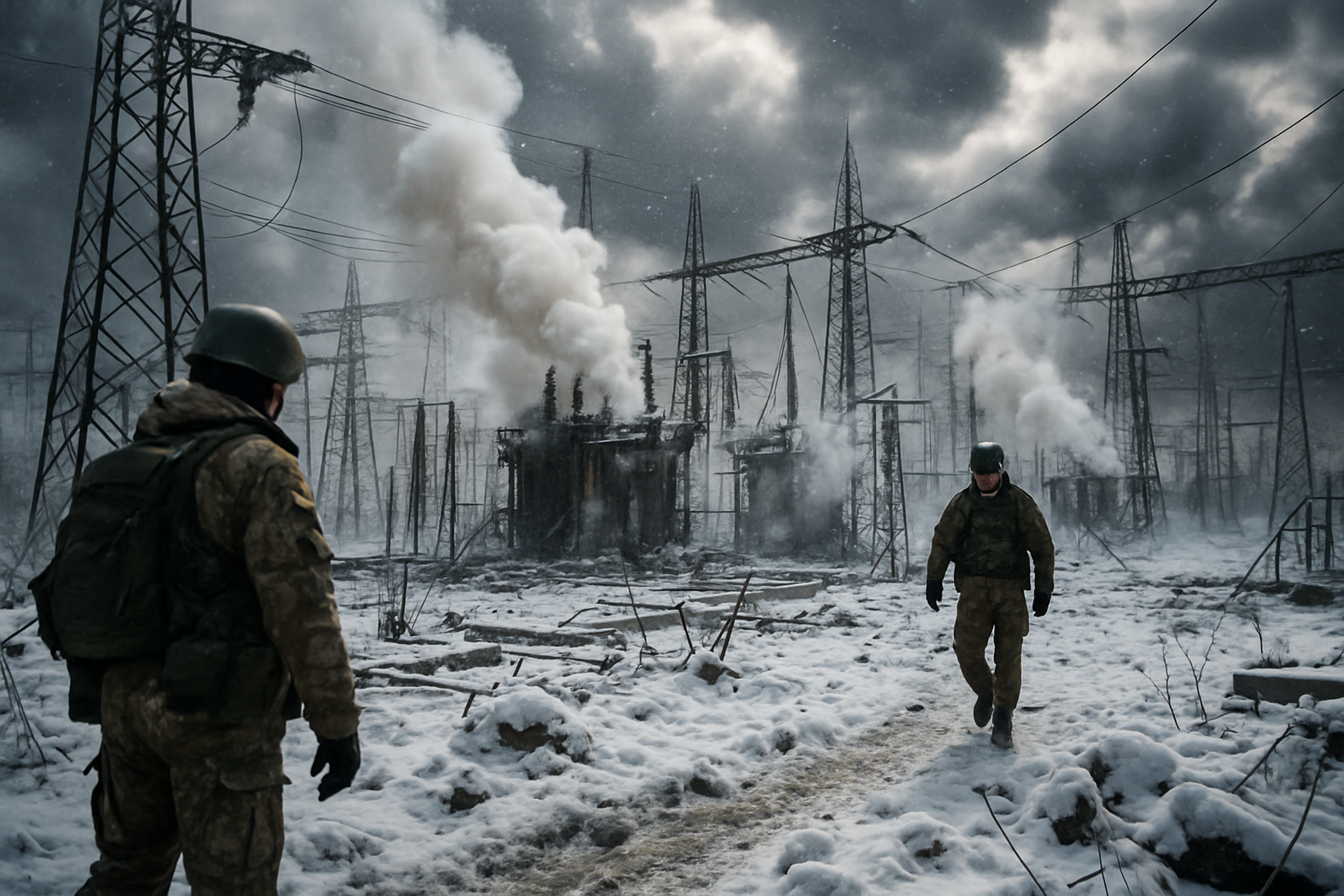
Russia launched its most devastating energy infrastructure attack of 2026 against Ukraine on February 3, firing 521 missiles and drones during the country's harshest winter conditions in decades, just one day before crucial trilateral peace talks scheduled to resume in Abu Dhabi.
The massive assault targeted power plants and energy facilities across eight Ukrainian regions, leaving over 1,170 buildings in Kyiv without heating amid temperatures plunging to minus-20°C in the capital and minus-30°C in northern regions. Ukraine's largest private energy provider, DTEK, described the barrage as "the most powerful blow" against the country's energy sector since the start of 2026.
Breaking the Energy Truce
The attacks marked a dramatic escalation by Moscow, breaking an informal agreement with the Trump administration to avoid targeting Ukraine's energy infrastructure ahead of diplomatic negotiations. According to multiple sources, Russia had suspended strikes on power facilities at President Trump's request, but resumed attacks on February 1st.
Ukrainian President Volodymyr Zelensky condemned the assault as "terror and escalation," stating it would influence how Ukraine approaches the upcoming peace talks. "Russia is exploiting a proposed pause to prepare these attacks," Zelensky declared, announcing adjustments to his negotiating team's strategy.
"The energy system is operating with serious restrictions after this attack. This is calculated brinkmanship aimed at testing Western resolve."
— Peter Zalmayev, Director of Eurasia Democracy Initiative
Humanitarian Crisis Deepens
The timing of Russia's assault during Ukraine's coldest winter day created a severe humanitarian emergency. In Kyiv alone, more than 1,100 residential buildings were left without power or heating, with emergency cuts implemented across the left bank and specific districts including Darnytskyi and Dniprovskyi.
Kharkiv endured three hours of intensive bombardment, forcing over 820 buildings to drain their heating systems to prevent pipes from freezing. A thermal power plant in the region was completely shut down. In the southeastern city of Zaporizhzhia, drone strikes killed one woman and wounded another when their house was targeted.
Sweden's Ambassador to Ukraine, Svitlana Zalisjtjuk, captured the strategic nature of the attacks: "Putin exploits the weather—he uses the weather as a weapon against Ukrainians." Swedish resident Sofia Westberg, living in Kyiv, spent several hours in bomb shelters during the attack, describing the dire conditions facing residents.
NATO Chief Warns of Bad Faith
NATO Secretary General Mark Rutte arrived in Kyiv on an unscheduled visit just hours after the attacks, delivering a sharp rebuke to Moscow during an address to Ukraine's parliament. "Ukraine is ready to play fair and reach an acceptable agreement with Russia, but the massive attacks launched by Moscow send a very bad signal ahead of any potential negotiations," Rutte declared.
The NATO chief called for "fair burden-sharing" among allies and emphasized the need for firm security guarantees for Ukraine. His surprise visit demonstrated Western solidarity amid Russia's escalatory tactics before the peace talks.
Peace Talks Under Shadow of War
The second round of trilateral negotiations between Ukraine, Russia, and the United States is set to begin February 5-6 in Abu Dhabi, with US Special Envoy Steve Witkoff participating. The talks represent the most significant diplomatic effort to end the nearly four-year conflict that began with Russia's invasion in February 2022.
President Zelensky expressed cautious optimism about achieving "lasting and dignified peace" but emphasized that Russia's escalation complicates the diplomatic process. Ukrainian officials indicated they will focus on "what information the Russian delegation brings" to the negotiations.
European diplomatic divisions persist regarding the peace process. Germany continues to oppose direct talks with Putin due to what officials call Russia's "maximalist demands," while France and Italy support maintaining diplomatic channels with Moscow.
Western Military Support Continues
Despite the diplomatic opening, Western allies are strengthening Ukraine's defensive capabilities. Sweden and Denmark announced a joint €246 million air defense package for Ukraine, including advanced Tridon Mk2 systems already in production and expected to be delivered within months.
The Nordic countries' initiative reflects continued Western commitment to Ukraine's defense even as peace negotiations proceed. NATO members have repeatedly emphasized that military support will continue regardless of diplomatic developments.
Technological Warfare Evolution
The conflict has seen significant developments in drone warfare and technological countermeasures. SpaceX successfully blocked Russian forces from using Starlink satellite internet to control attack drones, with Ukrainian Defense Minister Rustem Umerov thanking Elon Musk as "a true champion of freedom."
Meanwhile, Russia has been integrating Starlink terminals into its drones to enhance navigation and targeting capabilities, prompting Ukraine to implement a strict terminal registration system to prevent unauthorized use.
Ukrainian military analysts note that Russia's massive use of drones is fundamentally changing battlefield dynamics, with some experts suggesting it marks "the end of the tank division era" as traditional armored tactics prove increasingly vulnerable to unmanned systems.
Strategic Context and Broader Implications
Russia's February 3 assault follows a pattern of "logistics terror" targeting Ukrainian transportation and energy infrastructure when Moscow struggles to advance on front lines. Over 10,000 Russian drones and bombs were launched against Ukraine in January 2026 alone, representing a sustained campaign of civilian targeting.
The attacks also coincide with other international developments affecting the conflict's broader context. Poland announced plans for a "Global Conference" on Ukraine's reconstruction to be held in Gdansk in June, while Ukraine initiated amendments to the International Atomic Energy Agency's statute to strengthen nuclear security protocols.
Financial support for Ukraine continues expanding, with G7 loans backed by frozen Russian assets significantly reducing Ukraine's borrowing costs. The innovative financing mechanism ensures that "Russia's frozen billions now fund Ukraine—and Kyiv won't repay a cent," as funds are secured by seized Russian central bank reserves.
Looking Ahead
As delegations prepare for the Abu Dhabi talks, the fundamental challenge remains territorial control—the key sticking point that limited progress in the first round of negotiations in January. Russia's pre-negotiation escalation appears designed to strengthen Moscow's bargaining position through humanitarian pressure during extreme winter conditions.
Ukraine and its Western partners have developed contingency plans for potential Russian ceasefire violations, including a 72-hour military response framework agreed with allies. This mechanism aims to deter Moscow from exploiting any future pause in hostilities.
The coming days in Abu Dhabi will test whether diplomatic progress is possible amid continued military escalation, with the international community watching closely to see if the warring parties can move beyond the cycle of violence that has defined this conflict for nearly four years.