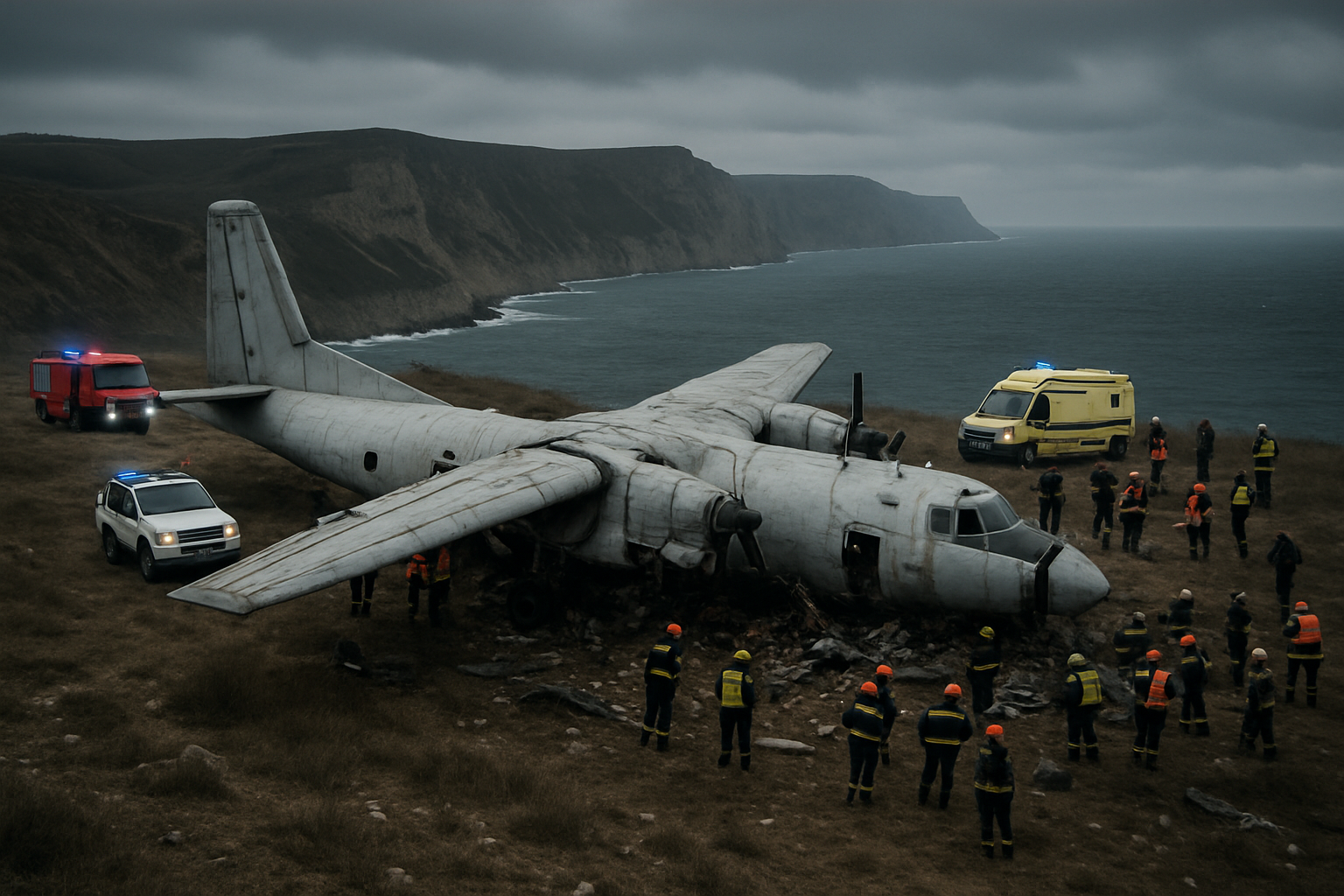
A Russian An-26 military transport aircraft crashed into a cliff in occupied Crimea on Tuesday evening, killing all 29 people on board in what authorities are attributing to technical malfunction rather than hostile action.
The aircraft, carrying 23 passengers and 6 crew members, lost contact with ground control around 18:00 Moscow time on March 31 while conducting what the Russian Defense Ministry described as a "routine flight" over the annexed Black Sea peninsula.
According to reports from Russian news agencies citing the Defense Ministry, search and rescue teams later located the crash site and confirmed there were no survivors. The ministry emphasized that preliminary investigations found "no signs of external impact" on the aircraft debris, ruling out enemy action.
Technical Malfunction Under Investigation
Russian authorities have launched a comprehensive investigation into what appears to be a mechanical failure of the Soviet-era transport aircraft. The An-26, a twin-engine turboprop that has been a workhorse of former Soviet military forces for decades, crashed in challenging terrain along Crimea's coastal cliff regions.
The Defense Ministry statement indicated that investigators are focusing on technical systems and maintenance records rather than any potential hostile action. "There was no external impact on the aircraft," ministry sources told Russian media outlets, suggesting mechanical problems as the primary cause.
The loss of communication occurred during what officials characterized as standard military transport operations in the region, highlighting ongoing aviation safety challenges for aging aircraft operating in demanding geographical conditions.
Regional Military Aviation Concerns
This crash represents one of the most serious military aviation accidents in Crimea since Russia's disputed annexation of the peninsula from Ukraine in 2014. The incident comes amid heightened military activity in the Black Sea region, where transport aircraft play crucial roles in maintaining supply lines and conducting logistics operations.
The An-26 aircraft involved in the crash represents older Soviet-era technology that, while generally reliable, requires intensive maintenance protocols when operating in challenging conditions. The coastal cliff regions of Crimea present additional operational risks due to complex terrain and changing weather patterns.
Military aviation experts note that aging aircraft fleets worldwide face increasing maintenance challenges, particularly when operating in demanding geographical environments. The incident underscores the risks inherent in military aviation operations, even during routine flights.
International Coverage and Analysis
The crash has drawn significant international media attention, with coverage spanning from Japan to Norway reflecting the global significance of military aviation safety issues. Multiple international news outlets have confirmed the incident details through various sources, demonstrating the widespread interest in regional military developments.
Aviation safety analysts have pointed to this accident as part of a broader 2026 pattern of military aircraft incidents worldwide, including similar crashes in Latin America involving aging transport fleets. The Colombia Air Force C-130 crash in March and Bolivia's military aircraft accident in February highlight common challenges facing military aviation operations globally.
The incident occurs during a period of increased scrutiny on military aviation safety protocols, with multiple nations reviewing their aging aircraft fleets and operational procedures following a series of international accidents.
Ongoing Investigation Timeline
Russian military authorities have indicated that the comprehensive investigation is expected to continue for several months, with findings potentially influencing future safety protocols for An-26 operations and other aging aircraft in the Russian military fleet.
The investigation will examine multiple factors including aircraft maintenance records, weather conditions at the time of the crash, crew training and experience, and any mechanical systems that may have contributed to the accident. The challenging crash site location may complicate recovery and analysis efforts.
Results from this investigation could have broader implications for military aviation safety standards throughout the region and may influence maintenance protocols for Soviet-era aircraft still in service with various military forces worldwide.
Historical Context and Safety Implications
The An-26 has served as a reliable military transport aircraft for over five decades, with hundreds still in operation across former Soviet states and allied nations. However, the age of these aircraft presents ongoing maintenance and safety challenges that require constant vigilance from military aviation authorities.
This tragedy adds to concerns about aging military aircraft fleets operating in challenging geographical conditions worldwide. The combination of older technology with demanding operational environments creates risks that require enhanced safety protocols and potentially accelerated fleet modernization discussions.
The loss of 29 military personnel represents not only a human tragedy but also a significant operational impact on regional military capabilities, affecting families and communities across Russia while highlighting the inherent risks faced by military aviation personnel during routine operations.