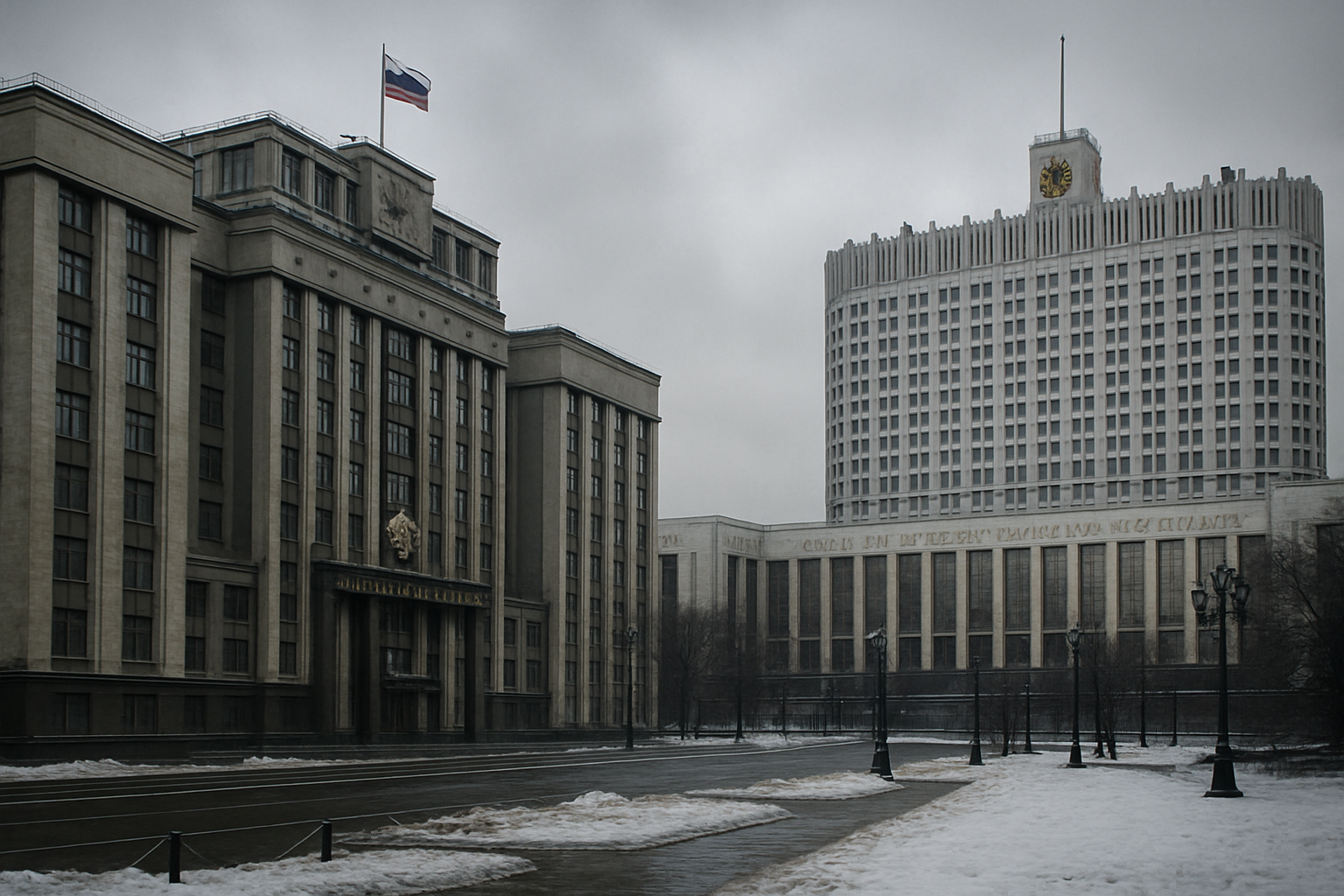
Russia faces mounting domestic pressures as a prominent pro-Putin blogger dramatically breaks ranks with the Kremlin while another political prisoner dies in custody, underscoring deepening internal contradictions within the authoritarian system.
In an extraordinary turn of events that has stunned Russian political observers, pro-government blogger Ilya Remeslo—who spent years personally targeting opposition leader Alexei Navalny—published a scathing denunciation of President Vladimir Putin on March 17, calling the war in Ukraine "absolutely pointless" and demanding Putin be prosecuted as a war criminal.
Loyalist Blogger's Stunning Reversal
Remeslo's transformation from Kremlin loyalist to critic represents one of the most significant defections from Putin's camp since the Ukraine conflict began. The blogger, who had been instrumental in building the criminal case against Navalny's Anti-Corruption Foundation for alleged fraud, posted a lengthy telegram condemning Putin's leadership and economic policies.
"The war with Ukraine is absolutely pointless and inflicts enormous damage on Russia's economy," Remeslo wrote in his March 17 post, according to independent media outlet Meduza. His criticism extends beyond military strategy to fundamental governance failures, marking a stark departure from his previous unwavering support for the regime.
"This blogger dedicated several years to personally fighting Alexei Navalny and stood behind the criminal case about 'fraud' with FBK donations. Now he demands Putin be prosecuted as a war criminal."
— Meduza.io report
The timing of Remeslo's public break with Putin coincides with growing evidence of stress within Russian society, as reflected in both political repression and economic hardship affecting ordinary citizens.
Death in Custody Highlights Repression
Simultaneously, the death of 56-year-old Vladimir Osipov in detention in the Komi Republic has drawn attention to the human cost of Russia's domestic crackdown. Osipov, convicted of spreading "fake news" about the Russian military, died of a heart attack while being held at a detention facility in Ukhta, according to the human rights organization "Prison Lawyer."
Osipov's death adds to the toll of Russia's systematic persecution of dissent, which has intensified dramatically since the 2022 invasion of Ukraine. His case exemplifies the fate of thousands of Russians imprisoned for expressing views that contradict official narratives about the military operation.
The circumstances surrounding Osipov's detention and death reflect broader patterns of political persecution that have characterized Putin's response to domestic opposition, particularly following the death of Navalny himself in February 2024—recently confirmed by European investigators to have been an assassination using poison dart frog toxin.
Economic Pressures Mount
Adding to domestic tensions, Russian citizens are feeling the economic strain of the prolonged conflict through rising prices for basic goods. Vodka has become the most expensive alcoholic beverage in Russia, with retail prices reaching 948.48 rubles per liter in February 2026—a 16.08% increase from the previous year, according to Rosstat data reported by Kommersant.
The price increases extend beyond vodka to other alcoholic beverages, with beer costing 208.29 rubles per liter (up 14.96% annually) and cognac reaching 1,700 rubles per liter (up 10.09%). Market participants point to sanctions, supply chain disruptions, and general economic pressures as driving factors behind the inflation.
Context of Broader Repression
Meanwhile, the release of Daria Kozyreva, who had been jailed for anti-war statements after attaching a poem by Ukrainian writer Taras Shevchenko to his monument in St. Petersburg, provides a rare positive development in an otherwise bleak landscape for Russian civil liberties. Kozyreva was arrested on the second anniversary of Russia's full-scale invasion of Ukraine, highlighting how authorities have used symbolic dates to intensify crackdowns.
These developments occur against the backdrop of Russia's comprehensive suppression of civil society that began well before the Ukraine invasion but has accelerated dramatically since February 2022. Human rights organizations estimate that over 42,000 people have been arrested since 2022 for anti-war activities and other forms of dissent.
International Implications
The domestic turmoil comes at a time when Russia faces increasing international isolation and pressure. European investigators recently presented conclusive evidence that Russia assassinated Alexei Navalny using an exotic poison from South American dart frogs, adding to the mounting evidence of state-sponsored violence against opposition figures.
The case of Remeslo's defection is particularly significant because it demonstrates that even those who were previously committed supporters of Putin's regime are beginning to question the costs and consequences of current policies. His background as someone who actively worked to discredit opposition figures makes his criticism especially damaging to the Kremlin's narrative of unified support.
Challenges to Regime Legitimacy
The convergence of political prisoner deaths, blogger defections, and economic hardship creates a complex picture of a regime facing multiple sources of stress. While Putin's government maintains control through extensive security apparatus and media manipulation, the emergence of criticism from within previously loyal circles suggests growing recognition that current policies are unsustainable.
The death of Vladimir Osipov in custody serves as a stark reminder of the human cost of political repression, while rising prices for basic goods like alcohol—traditionally important in Russian culture—create tangible reminders of economic difficulties for ordinary citizens.
Looking Forward
As Russia continues its military operations in Ukraine while managing domestic challenges, the combination of political repression, economic pressure, and defections from previously loyal supporters presents the Putin administration with a complex set of challenges. The dramatic reversal of figures like Remeslo, combined with ongoing casualties among political prisoners and rising consumer prices, suggests that domestic pressures may continue to mount.
These developments reflect broader patterns of authoritarian stress that occur when external conflicts create internal pressures, forcing governments to balance resource allocation between military objectives and domestic stability. The ultimate impact of these trends on Russian politics and society remains to be seen, but they represent significant challenges to the current system's ability to maintain control while pursuing its international objectives.