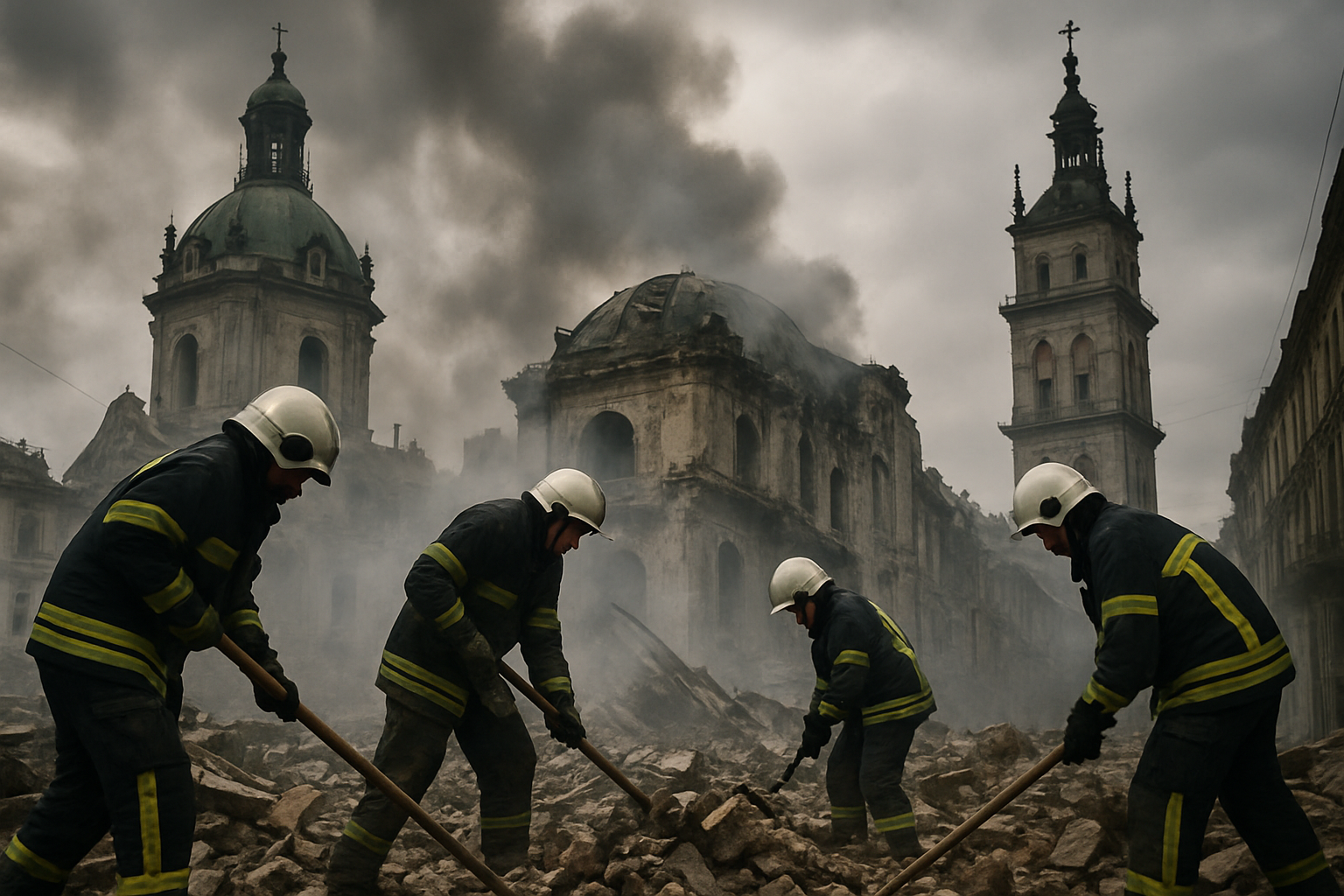
Russia launched one of its most devastating drone attacks against western Ukraine on March 24, 2026, using hundreds of Shahed-type unmanned aircraft to systematically target civilian infrastructure across multiple regions, resulting in mounting casualties and damage to UNESCO World Heritage sites in Lviv.
According to multiple Ukrainian sources, the massive coordinated assault involved over 500 drones targeting the Lviv, Ivano-Frankivsk, and Vinnytsia regions throughout Monday, representing a significant escalation in Russia's targeting of Ukraine's western territories. The attacks resulted in at least two confirmed deaths in Ivano-Frankivsk and at least 22 wounded in Lviv, with casualties continuing to rise as rescue operations proceed.
UNESCO World Heritage Sites Under Attack
The assault specifically damaged buildings within Lviv's UNESCO-listed historic city center, a designation the site has held since 1998 as an outstanding example of urban planning spanning several centuries. According to a Russian source report, the attacks "damaged a building from UNESCO heritage" in Lviv, marking a dangerous escalation in targeting internationally protected cultural sites.
The German news outlet FAZ reported that a Shahed drone struck directly in Lviv's city center, with their correspondent positioned at the impact site documenting the destruction. The attacks represent a clear violation of international conventions protecting cultural heritage sites during armed conflict.
"This is an unprecedented attack on our cultural heritage. These UNESCO sites represent not just Ukrainian history, but the shared heritage of humanity itself."
— Local Lviv Official
Civilian Casualties Mount Across Western Regions
The human toll of the attacks continues to escalate across multiple western Ukrainian regions. In Ivano-Frankivsk, drone strikes killed two people and wounded four others, including a 6-year-old child, according to Ukrainian officials. The attacks targeted central areas of the city, damaging windows in several buildings including a maternity hospital.
Lviv bore the brunt of the casualties, with injury tolls rising throughout the day. Initial reports indicated 13 wounded, which subsequently increased to 17 and ultimately reached 22 according to the latest updates from local authorities. The escalating casualty count reflects both the severity of the attacks and ongoing rescue operations uncovering additional victims.
Pattern of Systematic Western Ukraine Targeting
The March 24 attacks represent a concerning escalation in Russia's targeting of western Ukrainian territories, regions that had previously experienced fewer large-scale drone assaults compared to eastern and central areas. Historical context from recent memory shows this is part of a broader pattern of Russian attacks on western Ukraine dating back to February 2026.
Previous major assaults on western regions included the February 7-8, 2026 attacks that overwhelmed air defenses and the February 22 massive coordinated assault using approximately 300 drones and 50 missiles. The systematic nature of these attacks demonstrates a deliberate strategy to expand the geographic scope of civilian targeting beyond traditional front-line areas.
International Response and Historical Context
The attacks occur against the backdrop of suspended peace negotiations between Ukraine, Russia, and the United States, which were indefinitely postponed due to the Iran crisis in the Middle East. According to stored diplomatic records, the trilateral talks had achieved significant breakthroughs in February 2026, including a historic 314-prisoner exchange and restoration of US-Russia military communications after a four-year suspension.
Poland has previously responded to similar large-scale attacks by scrambling fighter jets and temporarily closing airports along the Ukrainian border as precautionary measures. The proximity of these attacks to NATO territory continues to raise concerns about potential spillover effects.
Targeting of Cultural and Civilian Infrastructure
The deliberate targeting of UNESCO World Heritage sites represents a significant escalation in Russia's systematic campaign against civilian infrastructure. International legal experts note that attacks on cultural property during armed conflict constitute violations of the 1954 Hague Convention for the Protection of Cultural Property in the Event of Armed Conflict and its protocols.
Beyond the cultural heritage damage, the attacks follow a documented pattern of targeting civilian infrastructure including energy facilities, medical facilities, and educational institutions. The damage to the maternity hospital in Ivano-Frankivsk exemplifies this systematic approach to targeting essential civilian services.
Air Defense Challenges and Response
Ukrainian air defense systems faced significant challenges in intercepting the massive drone swarm, with the sheer number of simultaneous targets designed to overwhelm defensive capabilities. The coordinated nature of the assault across multiple western regions demonstrates sophisticated operational planning by Russian forces.
The use of hundreds of Shahed-type drones reflects Russia's increased reliance on these Iranian-designed weapons systems for long-range precision strikes against civilian targets. These drones have become a signature weapon in Russia's systematic campaign against Ukrainian civilian infrastructure throughout 2026.
Ongoing Humanitarian Crisis
The March 24 attacks compound an ongoing humanitarian crisis across Ukraine, with over 17.8 million Ukrainians currently accessing winter support programs according to recent data. The systematic targeting of civilian infrastructure during extreme weather conditions has been characterized by international observers as "energy terrorism" designed to maximize civilian suffering.
Medical facilities in affected areas are treating both direct casualties from the drone strikes and secondary injuries from building damage and debris. The inclusion of a 6-year-old child among the wounded in Ivano-Frankivsk highlights the indiscriminate nature of these attacks on civilian populations.
Strategic Implications
The targeting of western Ukraine represents a strategic shift in Russian tactics, extending the geographic scope of systematic attacks to regions that serve as crucial logistics hubs for international aid and house hundreds of thousands of internally displaced persons. Lviv, in particular, has functioned as a key transit point for Western military and humanitarian assistance.
The attacks on UNESCO sites carry additional symbolic weight, representing an assault not only on Ukrainian sovereignty but on internationally recognized cultural heritage. This escalation occurs as diplomatic efforts remain suspended due to competing international crises, suggesting a calculated attempt to apply maximum pressure while formal negotiation channels are inactive.
International Law and Accountability
Legal experts emphasize that the targeting of UNESCO World Heritage sites constitutes a clear violation of international humanitarian law and conventions protecting cultural property during armed conflict. The systematic nature of attacks on civilian infrastructure documented throughout the conflict provides evidence for potential war crimes prosecutions.
The attacks also violate the Geneva Conventions' provisions protecting civilian populations and infrastructure essential for their survival. The targeting of medical facilities, including the damage to the maternity hospital in Ivano-Frankivsk, represents additional violations of international humanitarian law.
As rescue operations continue and the full scope of damage is assessed, the March 24 attacks stand as a stark reminder of the ongoing humanitarian crisis in Ukraine and the urgent need for international action to protect civilian populations and cultural heritage sites from systematic targeting. The assault on UNESCO World Heritage sites marks a particularly troubling escalation that demands robust international condemnation and accountability measures.