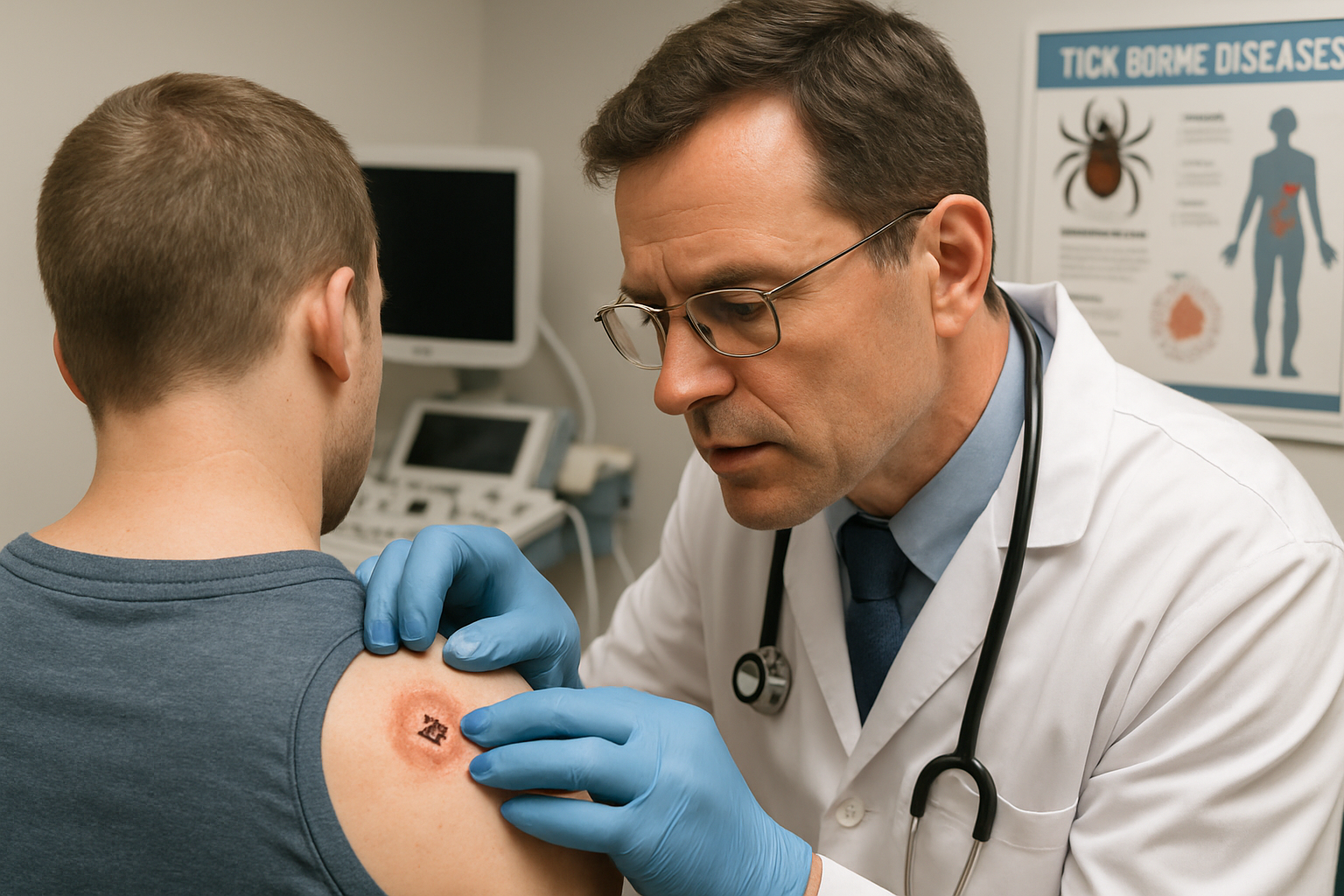
As global temperatures continue their unprecedented warming streak for the 21st consecutive month, Russian medical experts are issuing urgent warnings about four critical reasons to seek immediate medical attention following tick bites, highlighting the growing health risks posed by an extended tick season that now threatens northern populations year-round.
The warning comes during what public health officials are calling the most dangerous tick season in recorded history, with climate change fundamentally altering traditional seasonal disease patterns across northern latitudes. Finland has already documented the earliest tick season on record, with activity beginning in February and extending to regions like Oulu that typically remain tick-free until late spring.
Four Critical Warning Signs Demanding Immediate Medical Response
Russian medical professionals have identified four specific scenarios where tick bite victims must seek immediate medical intervention to prevent potentially life-threatening complications:
1. Development of Circular Rash (Erythema Migrans): The appearance of a red, circular rash around the tick bite site within 3-30 days indicates potential Lyme disease infection. This expanding "bullseye" pattern requires immediate antibiotic treatment, as delayed intervention can lead to chronic neurological, cardiac, and joint complications.
2. Fever and Neurological Symptoms: High fever (above 38.5°C/101.3°F) accompanied by severe headache, neck stiffness, confusion, or altered mental state may signal tick-borne encephalitis (TBE) or other serious infections. These symptoms represent medical emergencies requiring immediate hospitalization and specialized treatment.
3. Muscle Weakness and Paralysis: Progressive muscle weakness, particularly affecting facial muscles or limbs, could indicate tick paralysis or more severe neurological infections. Without prompt medical intervention, these conditions can progress to respiratory failure and death.
4. Systemic Signs of Severe Infection: Rapid pulse, difficulty breathing, widespread joint pain, or signs of blood infection (sepsis) require emergency medical care. These symptoms may indicate advanced stages of tick-borne diseases or secondary bacterial infections.
Climate Change Creates Unprecedented Health Threat
The warnings coincide with alarming climate data showing January 2026 marked the 21st consecutive month of global temperatures exceeding 1.5°C above pre-industrial levels—the longest sustained warming streak in recorded human history. This unprecedented climate volatility has created optimal tick survival conditions, eliminating traditional winter population controls and enabling disease transmission during historically safe periods.
Dr. Matti Huutonen, a Finnish meteorologist tracking biological responses to climate change, confirms that minimal winter frost and snow cover have created ideal conditions for tick emergence across northern regions previously unaffected by tick-borne diseases. "We're seeing fundamental disruption of ecological relationships that evolved over millennia," Huutonen explains. "Traditional seasonal patterns are no longer reliable."
Regional and Global Health Implications
The extended tick season represents part of a broader "threat multiplier effect" where climate change enables multiple health challenges to occur simultaneously, overwhelming healthcare systems designed for sequential rather than concurrent emergencies. Swedish health officials have already implemented enhanced monitoring systems in national parks and forest recreation areas, operating year-round versus seasonally.
Finland's early tick season has triggered comprehensive public health responses, including expanded pollen monitoring to track increased allergen transport through altered atmospheric circulation patterns. Research institutions are documenting ecological changes through satellite imagery, environmental DNA sampling, and intensive field observations as part of international Nordic and Arctic collaboration efforts.
Prevention and Protection Strategies
Medical experts emphasize that prevention remains the most effective strategy against tick-borne diseases. Key recommendations include:
- Protective Clothing: Wear light-colored, long-sleeved shirts and long pants when in tick-prone areas. Tuck pants into socks and use insect repellent containing DEET.
- Regular Tick Checks: Perform thorough body checks after outdoor activities, paying special attention to hairlines, behind ears, armpits, and groin areas where ticks commonly attach.
- Immediate Removal: Remove attached ticks immediately using fine-tipped tweezers, grasping close to the skin surface and pulling upward with steady pressure.
- Vaccination Considerations: Discuss tick-borne encephalitis vaccination with healthcare providers, particularly for those in high-risk areas or occupations.
Global Healthcare System Response
The tick-borne disease threat emerges during what public health experts term the "Therapeutic Revolution of 2026," characterized by a global shift from reactive treatment to prevention-first healthcare strategies. Countries implementing comprehensive prevention programs report superior cost-effectiveness through decreased crisis interventions while achieving better population health outcomes.
Despite funding challenges facing traditional multilateral health organizations like the WHO, innovative bilateral partnerships and regional collaboration networks continue driving medical innovation through peer-to-peer knowledge sharing. This distributed cooperation model allows flexible, culturally responsive approaches while maintaining evidence-based medical standards.
Economic and Social Impact
The extended tick season has significant economic implications beyond immediate healthcare costs. Agricultural communities are adapting to seasonal patterns that no longer align with traditional practices, while tourism sectors must implement enhanced safety protocols and public education campaigns. Forest management operations require reassessment due to unpredictable ground conditions and increased tick encounter risks.
Healthcare systems report increased consultations for tick encounters and Lyme disease concerns during traditionally low-risk winter months, requiring year-round staffing and protocols previously needed only seasonally.
International Research and Monitoring Efforts
Universities and research institutions across northern latitudes have intensified collaborative efforts to understand and respond to changing tick-borne disease patterns. The University of Turku has expanded pollen bulletins to track environmental changes, while various European institutions document ecological disruptions through advanced monitoring technologies.
International cooperation has proven essential as similar patterns emerge across different northern countries, suggesting global rather than regional solutions are needed for this climate-health challenge.
Looking Ahead: Adaptation Strategies
Health authorities emphasize that current conditions likely preview routine circumstances through the 2030s without comprehensive climate action. Finnish adaptation strategies demonstrate that coordinated action can maintain community resilience during environmental change, but the window for effective adaptation is narrowing.
Medical professionals stress that the four warning signs identified by Russian experts represent critical knowledge that could save lives as tick-borne diseases become year-round threats. The emphasis on immediate medical attention reflects the reality that many tick-borne diseases require rapid intervention to prevent serious complications.
The convergence of climate change impacts, healthcare system challenges, and emerging disease patterns represents a critical test of global public health preparedness. Success depends on sustained political commitment to healthcare investment, comprehensive professional training, authentic community engagement, and continued international cooperation in knowledge sharing and resource optimization.
As we face this unprecedented health challenge, the Russian medical experts' warnings serve as a crucial reminder that climate change is not a future threat—it is a present reality requiring immediate, informed responses from both healthcare systems and individual citizens. The four critical warning signs they have identified could literally mean the difference between life and death in our rapidly changing world.