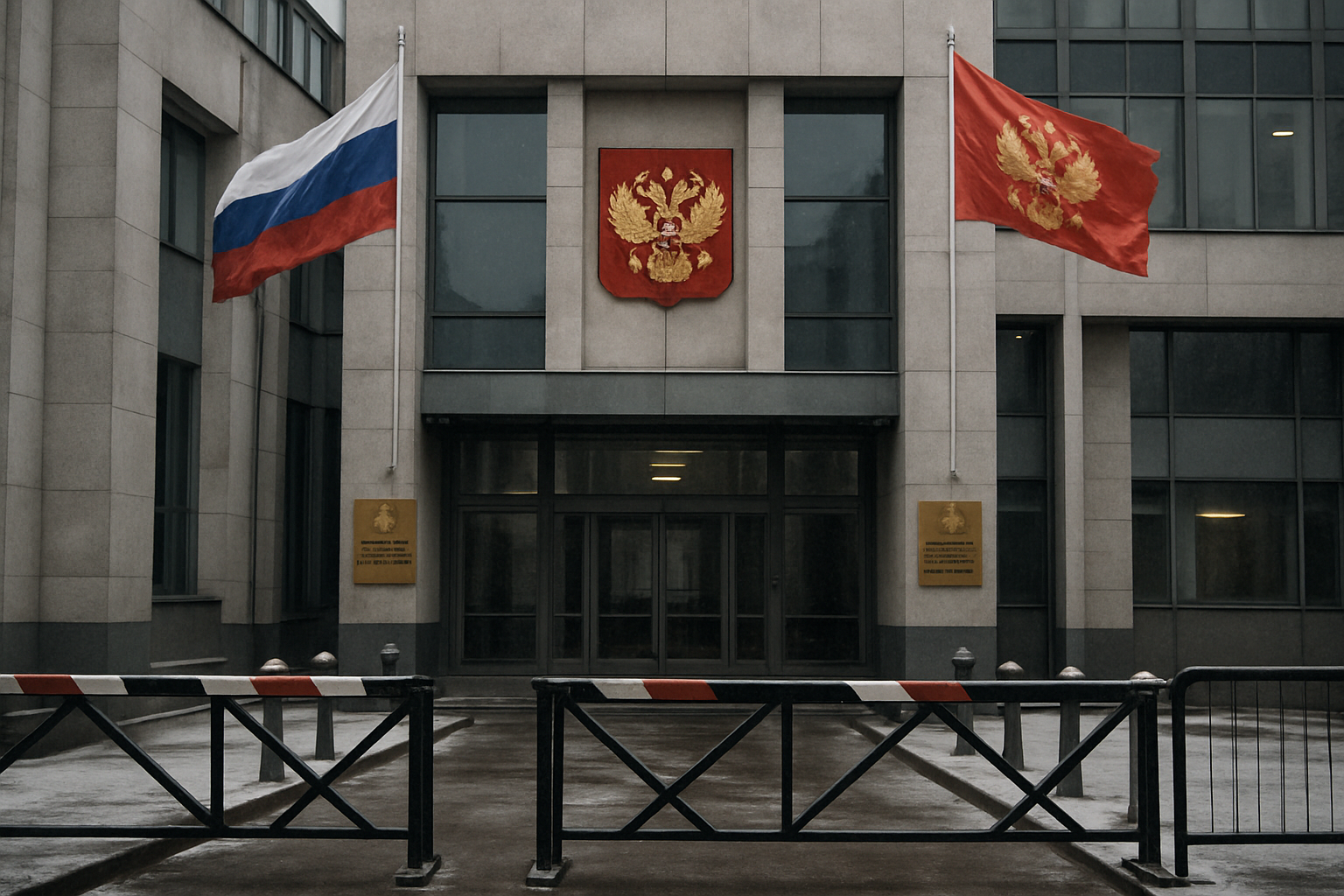
Lieutenant General Vladimir Alekseev, first deputy chief of Russia's Main Intelligence Directorate (GRU), was shot multiple times in a targeted attack outside a residential building in Moscow on Friday morning, according to Russian investigative authorities.
The Russian Investigative Committee confirmed that Alekseev, one of Russia's most senior military intelligence officials, was hospitalized in serious condition following the shooting on Volokolamskoe Highway. The attack occurred when an unidentified assailant opened fire on the general several times before fleeing the scene.
Sources within Russian law enforcement agencies told RT that Alekseev remains in critical condition at a Moscow hospital, though official statements about his medical status have been limited. The 66-year-old general has served in senior GRU positions for over a decade and is considered one of Russia's most influential intelligence operatives.
Details of the Attack
According to the Russian Investigative Committee's preliminary findings, the shooting took place early Friday morning in a residential area of Moscow. Multiple sources suggest the attack was premeditated, with the perpetrator apparently waiting for Alekseev near his residence.
Bulgarian media reports identified Alekseev as a key figure responsible for the deployment of "Novichok" chemical weapons, though Russian authorities have not confirmed these specific allegations. The general has been linked to various international intelligence operations during his tenure at the GRU.
Norwegian and Swedish media outlets reported the incident as part of a broader pattern of attacks on high-ranking Russian military officials since the Ukraine conflict began. Finnish broadcaster YLE noted that several senior Russian military commanders have been targeted in similar incidents over the past two years.
Alekseev's Role in Russian Intelligence
As first deputy head of the GRU, Alekseev has been instrumental in Russia's military intelligence operations globally. The GRU, formally known as the Main Intelligence Directorate of the Russian General Staff, is responsible for military intelligence gathering and special operations abroad.
His position makes him one of the most senior figures in Russia's intelligence apparatus, with access to highly classified military and strategic information. The timing of the attack, coming amid Russia's ongoing military operations in Ukraine and recent diplomatic tensions, has raised questions about potential security breaches within Russia's intelligence community.
Egyptian media sources described Alekseev as "one of the prominent leaders in the Russian army," emphasizing his significant role in military decision-making processes. His responsibilities reportedly include overseeing international intelligence operations and coordinating with other Russian security agencies.
Investigation and Security Implications
Russian authorities have launched a comprehensive investigation into the shooting, with the Investigative Committee taking direct control of the case. The fact that such a high-ranking intelligence official could be targeted in Moscow raises serious questions about security protocols protecting senior military personnel.
The attack comes at a particularly sensitive time for Russian military leadership, as the country continues its military operations in Ukraine while facing international sanctions and diplomatic isolation. The incident has prompted concerns about potential infiltration or intelligence compromises within Russia's security apparatus.
"This attack represents a significant security breach that reaches the highest levels of Russian military intelligence."
— Security analyst, speaking on condition of anonymity
Hungarian media reports indicated that the attacker managed to escape immediately after the shooting, suggesting a planned operation rather than a random attack. The professional nature of the assault has led investigators to consider various motives, including potential foreign involvement or internal conflicts within Russian security services.
Broader Context of Military Leadership Attacks
The shooting of General Alekseev occurs against a backdrop of increasing attacks on Russian military leadership since the start of the Ukraine conflict. Several high-ranking officers have been killed or wounded in various incidents, both in combat zones and within Russia itself.
Intelligence experts note that targeting senior GRU officials represents a significant escalation, given the agency's central role in Russia's military and intelligence operations. The attack could indicate either foreign intelligence involvement or serious internal security challenges within Russia's military establishment.
The incident has also raised questions about the protection of senior Russian officials, as Alekseev held one of the most sensitive positions in the country's military hierarchy. His access to classified information about Russia's international operations makes any compromise of his security a matter of national concern for Russian authorities.
International Response and Implications
While international reactions have been limited pending further details, the shooting of such a senior Russian intelligence official is likely to have broader implications for regional security. The GRU's involvement in international operations means that any disruption to its leadership could affect Russia's global intelligence capabilities.
The timing of the attack, coinciding with ongoing diplomatic efforts to resolve the Ukraine conflict, adds another layer of complexity to an already volatile situation. Security analysts suggest that such incidents could either escalate tensions or, conversely, prompt enhanced security cooperation if foreign involvement is suspected.
Ongoing Investigation
Russian investigative authorities continue to gather evidence from the crime scene and interview potential witnesses. The use of surveillance cameras in the residential area may provide crucial leads about the attacker's identity and methods.
The investigation's outcome will likely influence security protocols for other high-ranking Russian officials, particularly those in sensitive intelligence positions. The successful targeting of such a prominent figure suggests either significant security lapses or a highly sophisticated operation.
As General Alekseev remains hospitalized in critical condition, Russian authorities face pressure to demonstrate their ability to protect senior military leadership while maintaining operational security. The incident serves as a stark reminder of the personal risks faced by those in key positions within Russia's military and intelligence apparatus during this period of heightened international tensions.