Lieutenant General Vladimir Alekseyev, the first deputy head of Russia's Main Intelligence Directorate (GRU), was shot multiple times in a targeted assassination attempt outside his Moscow apartment building on Friday morning, leaving one of Russia's most senior intelligence officials fighting for his life in hospital.
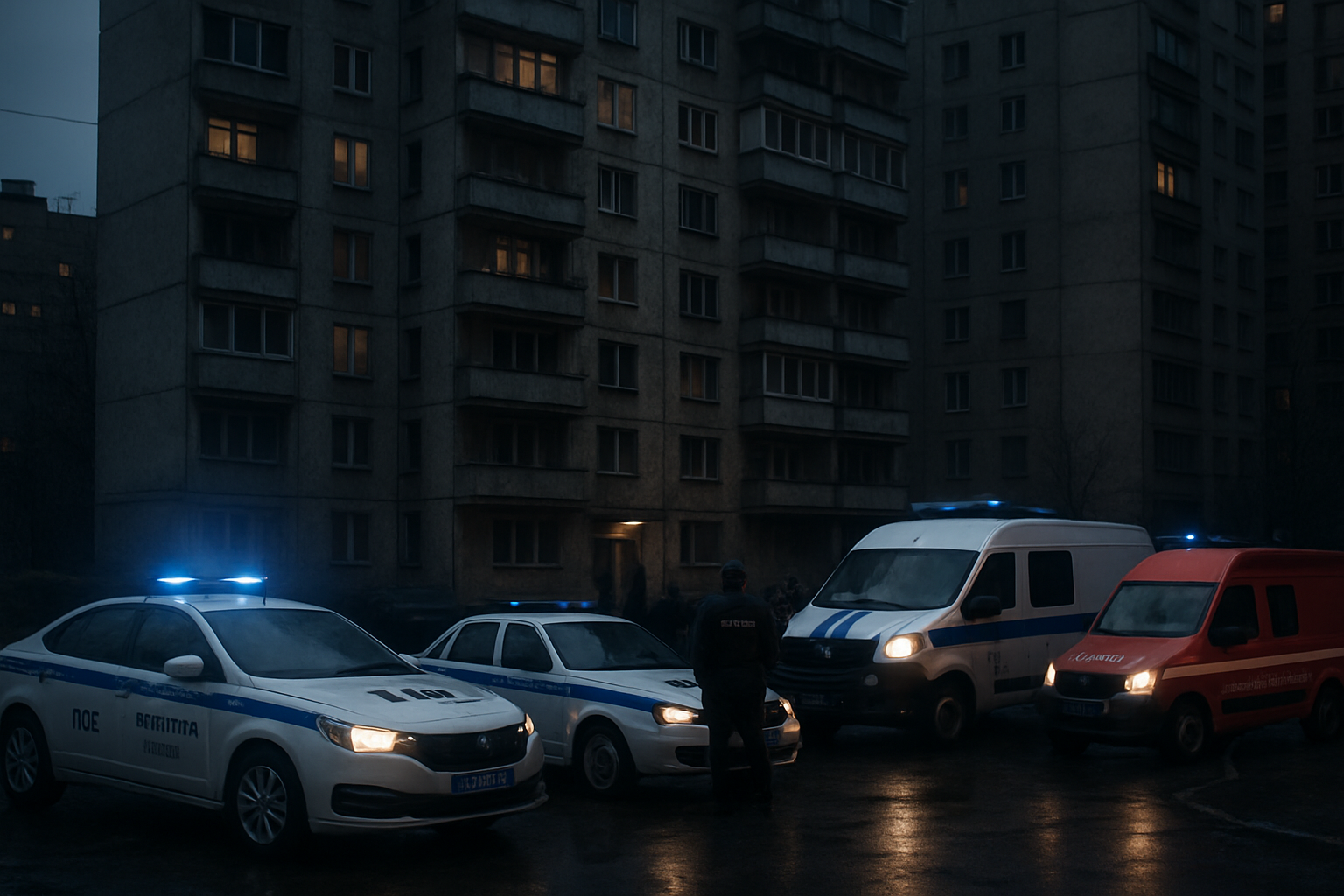
The 66-year-old deputy intelligence chief was attacked around 2:30 AM local time as he was leaving his residential building on Volokolamskoe Highway in northwestern Moscow to travel to work. According to Russian media reports citing police sources, the unidentified gunman posed as a delivery worker to gain access to the building before opening fire on Alekseyev with multiple shots.
The Russian Investigative Committee immediately opened a criminal case for attempted murder of a high-ranking defense ministry official, while authorities launched a comprehensive manhunt for the perpetrator who fled the scene immediately after the shooting. No arrests have been announced as of this report.
High-Profile Target Under EU Sanctions
Alekseyev represents one of Russia's most protected intelligence figures, with access to highly classified military and strategic information spanning decades of GRU operations. The general has been under European Union sanctions since 2018 for his alleged involvement in the Salisbury Novichok attack on former Russian spy Sergei Skripal and his daughter Yulia.
Bulgarian and Swedish intelligence reports have previously accused Alekseyev of involvement in international influence operations in the United States and chemical weapons deployment activities. Despite being Ukrainian-born, he rose through the ranks to become one of the GRU's top leadership figures, overseeing critical intelligence operations during Russia's ongoing conflict with Ukraine.
"The attack demonstrates either significant security lapses or a highly sophisticated operation to target one of Russia's most protected intelligence figures."
— Security Analysis Source
Russia Immediately Blames Ukraine
Russian Foreign Minister Sergei Lavrov quickly attributed the assassination attempt to Ukraine, characterizing the attack as aimed at disrupting ongoing peace negotiations. The timing proved particularly significant, occurring during a critical diplomatic period with recent trilateral peace talks between Ukraine, Russia, and the United States held in Abu Dhabi.
According to sources familiar with the negotiations, Alekseyev was reportedly heading Russia's intelligence delegation in the UAE discussions. The attack came just one day after the successful conclusion of those talks, which produced a breakthrough prisoner exchange involving 314 prisoners of war - the first such swap in five months.
However, Ukraine has not claimed responsibility for the attack, following the typical pattern of such incidents where Kyiv neither confirms nor denies involvement in operations targeting Russian military leadership on Russian territory.
Professional Execution Suggests Planned Operation
The attack's professional execution suggests a premeditated operation rather than a random crime, according to security analysts reviewing the incident. The perpetrator's method of gaining building access by impersonating a delivery worker, combined with the immediate escape following the shooting, indicates careful planning and surveillance of the target's routine.
French media reports, citing the Kommersant newspaper and police sources, described how the shooter infiltrated Alekseyev's residential building and opened fire as the officer was leaving his apartment for work. The general was immediately transported to intensive care at a Moscow hospital, where his condition remains critical.
The attack represents the latest in a series of targeted killings and assassination attempts against senior Russian military figures since Russia's February 2022 invasion of Ukraine. The pattern has consistently seen Russia blame Ukraine for such attacks, though Kyiv typically maintains official silence regarding operations on Russian territory.
Broader Context of Military Leadership Targeting
Alekseyev's shooting occurs during a particularly volatile period in the Russia-Ukraine conflict, with diplomatic efforts proceeding alongside continued military operations. The GRU deputy chief's role in overseeing international intelligence operations made him a high-value target for adversaries seeking to disrupt Russian military coordination.
The incident also highlights ongoing security challenges for Russian leadership, despite extensive protection protocols typically afforded to officials with access to sensitive strategic information. The successful targeting of such a protected figure raises questions about the effectiveness of current security measures for senior military officials.
Intelligence sources note that removing Alekseyev from active duty during this critical period could significantly impact Russia's intelligence operations capabilities, particularly given his central role in coordinating international activities and his involvement in the recent diplomatic initiatives.
Investigation and Security Implications
Russian authorities have launched a comprehensive investigation with the Investigative Committee taking direct control of the case. The attack has prompted immediate reviews of security protocols for other high-ranking officials with access to sensitive information.
The timing of the assassination attempt adds another layer of complexity to an already volatile international situation. Coming immediately after diplomatic progress in Abu Dhabi, the attack threatens to undermine confidence-building measures that had shown promise for reducing tensions between the warring parties.
Western intelligence agencies have long monitored Alekseyev's activities due to his alleged involvement in international operations spanning multiple countries. His removal from the intelligence apparatus, whether temporary or permanent, could create significant operational disruptions for Russian intelligence services globally.
Impact on Ongoing Diplomatic Efforts
The attack's timing - occurring just after the successful Abu Dhabi prisoner exchange and during ongoing diplomatic engagement - raises concerns about potential escalation disrupting peace efforts. The UAE-hosted talks had represented the most significant diplomatic breakthrough in months, producing concrete humanitarian results through the prisoner swap.
Russian officials' immediate attribution of the attack to Ukraine could complicate future negotiating rounds, despite both sides having previously compartmentalized military operations from diplomatic engagement. The incident tests the resilience of the diplomatic framework established through the trilateral talks process.
International observers are closely monitoring whether this attack will affect the trajectory of diplomatic efforts, particularly as parties had been discussing arrangements for future meetings and confidence-building measures. The incident underscores the challenges of maintaining diplomatic momentum while military and intelligence operations continue.
As investigations continue and Alekseyev's condition remains critical, the attack represents a significant escalation in targeting of Russian military leadership, with potential ramifications extending far beyond the immediate security implications for Moscow's intelligence apparatus.