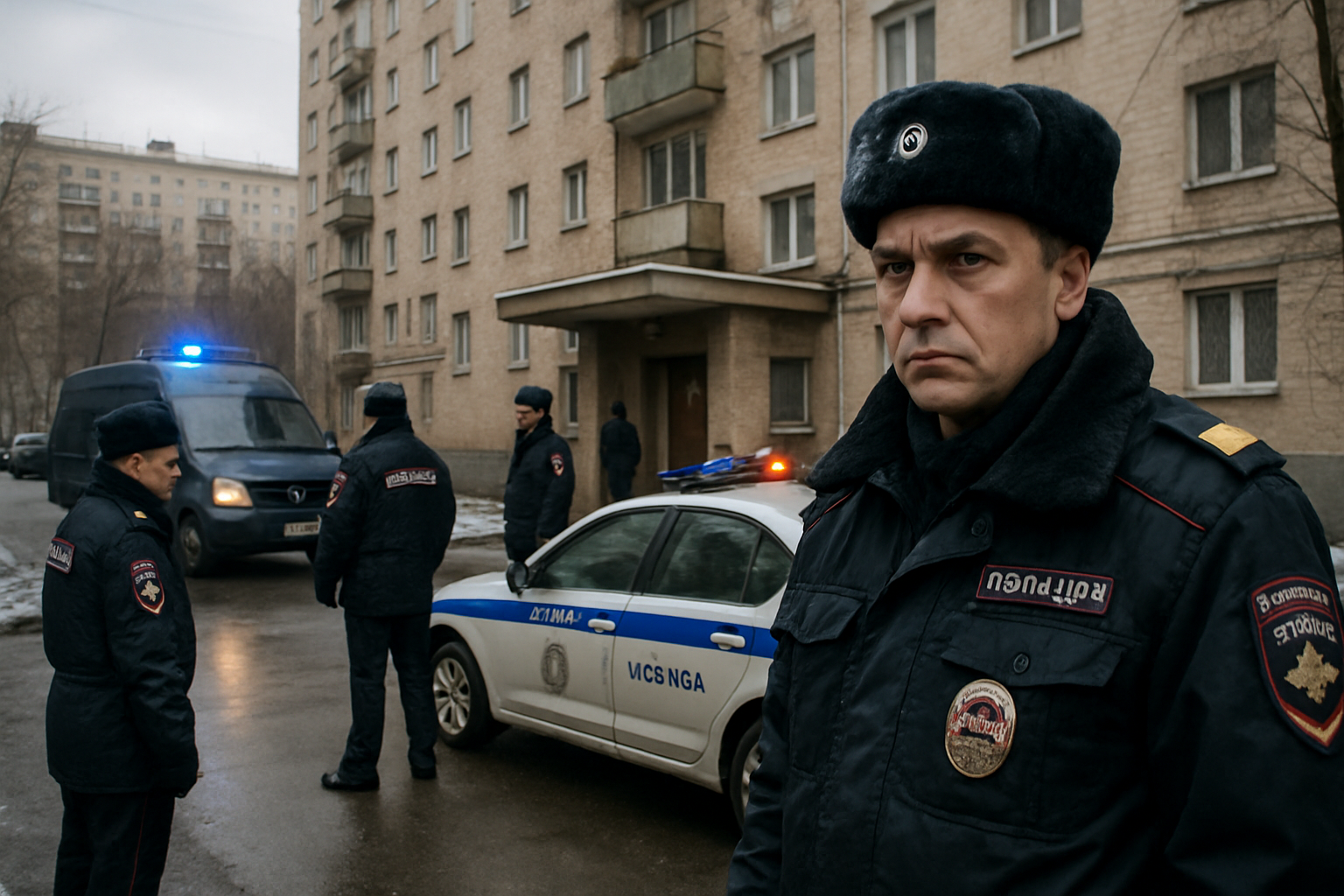
Russian law enforcement agencies have arrested two suspects in connection with the assassination attempt on Lieutenant General Vladimir Alekseyev, the first deputy head of Russia's Main Intelligence Directorate (GRU), according to multiple reports from Russian media outlets.
The suspects are scheduled to appear in court for a detention hearing on February 8, 2026, as reported by the Russian newspaper Kommersant. A criminal case has been opened with charges of attempted murder and illegal arms trafficking, authorities confirmed.
The Attack and Recovery
General Alekseyev was shot multiple times on February 6, 2026, in a targeted attack outside his residential building on Volokolamskoe Highway in Moscow. The 64-year-old senior intelligence official was attacked by an assailant who posed as a food delivery courier to gain access to the building.
According to Russian media reports, Alekseyev was heading to work when he was shot twice on the building's staircase. When he attempted to retreat from the attack, the gunman fired a third shot before fleeing the scene immediately.
The general underwent successful surgery and regained consciousness on February 7, but remains under medical supervision. His recovery represents a significant development in what investigators describe as a professionally executed attack on one of Russia's most protected intelligence figures.
Investigation and Arrests
Russian investigative sources indicate that the primary suspect and his alleged accomplice have been taken into custody and questioned. The investigation has been classified under charges of attempted murder and illegal weapons trafficking, suggesting the involvement of sophisticated criminal networks.
Italian news agency ANSA reported that the suspects were "caught on surveillance cameras" and would be interrogated soon. The professional nature of the attack has led investigators to focus on potential foreign involvement or connections to ongoing geopolitical tensions.
The timing of the attack is particularly significant, occurring just one day after the conclusion of trilateral peace talks between Ukraine, Russia, and the United States in Abu Dhabi, which resulted in a historic prisoner exchange and the restoration of US-Russia military communications.
Target Profile and Strategic Importance
Lieutenant General Vladimir Alekseyev represents one of Russia's most senior military intelligence officials, with over a decade of service in the GRU. The Ukrainian-born general rose to the top of Russia's intelligence hierarchy and has been under EU sanctions since 2018 for his alleged involvement in the Salisbury Novichok attack on former Russian spy Sergei Skripal.
Alekseyev has also been subject to US sanctions for alleged involvement in 2016 election interference activities. As first deputy head of the GRU, he oversees international intelligence operations and has access to highly classified military and strategic information.
His role in Russia's military intelligence apparatus makes him a critical figure in the country's defense establishment, particularly during the ongoing conflict with Ukraine. The attack removes a key GRU official from active duty during a crucial period of military operations.
Security Implications and Context
The assassination attempt demonstrates either significant security lapses or a highly sophisticated operation targeting one of Russia's most protected intelligence figures. The attacker's use of a delivery courier disguise suggests detailed reconnaissance and planning.
This incident follows a pattern of attacks on senior Russian military officials since the beginning of the Ukraine conflict in February 2022. Russian authorities consistently blame Ukraine for such attacks, though Kyiv typically does not claim responsibility for operations on Russian territory.
The attack's timing, occurring immediately after diplomatic breakthroughs in Abu Dhabi, raises questions about potential efforts to disrupt ongoing peace negotiations. Russian Foreign Minister Sergei Lavrov has previously blamed Ukraine for similar attacks, claiming they are aimed at undermining diplomatic processes.
Broader Security Concerns
The successful targeting of such a high-ranking intelligence official has prompted concerns about security protocols for other senior Russian officials. Given Alekseyev's access to sensitive information about Russia's global intelligence operations, his targeting could significantly disrupt ongoing military and intelligence activities.
The investigation outcome will likely influence security measures for other high-ranking officials and may prompt comprehensive reviews of protection protocols. The incident also highlights the challenges facing Russia's security apparatus in protecting senior officials during a period of heightened international tensions.
International Ramifications
Western intelligence agencies have long monitored Alekseyev's activities due to his alleged involvement in international operations. The attack raises questions about protection protocols for officials with access to sensitive information and could affect Russia's global intelligence capabilities.
The timing during ongoing diplomatic efforts adds complexity to an already volatile international situation. The incident may influence security protocols for diplomatic personnel and could impact future peace negotiations.
Investigation Continues
Russian authorities have launched a comprehensive investigation under the direct control of the Investigative Committee. The professional nature of the attack suggests a planned operation rather than a random crime, leading investigators to examine potential international connections.
With two suspects now in custody, the investigation enters a critical phase that could reveal the broader network behind the assassination attempt. The court hearing scheduled for February 8 will determine whether the suspects remain in detention as the investigation continues.
The attack on General Alekseyev represents a significant escalation in targeting senior Russian military intelligence officials and underscores the ongoing security challenges facing Russia's defense establishment during this critical period of international conflict and diplomatic engagement.