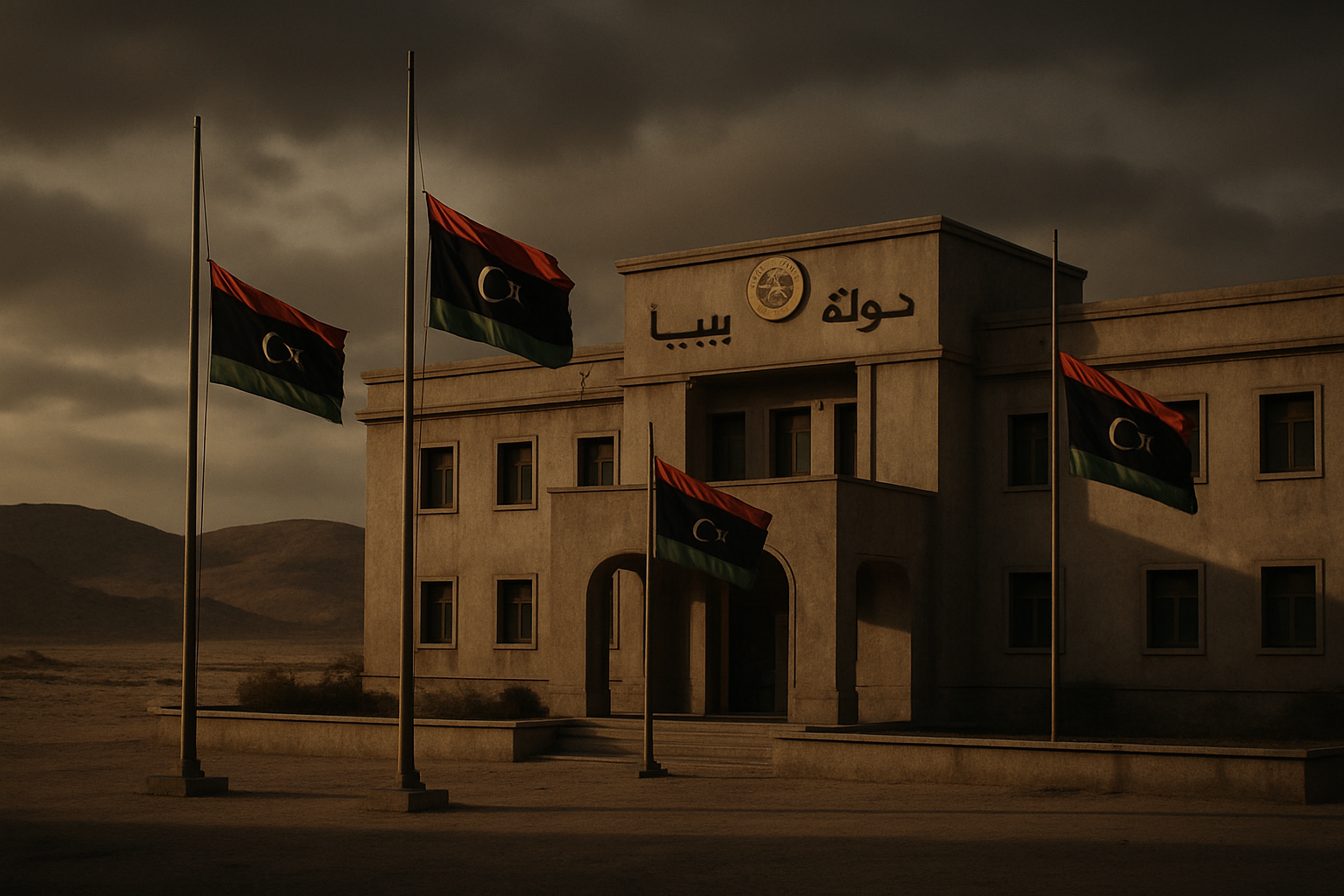
Saif al-Islam Gaddafi, the 53-year-old son of former Libyan dictator Muammar Gaddafi and once heir apparent to the regime, was shot dead by gunmen at his residence in Zintan, western Libya, on Tuesday evening, February 3, 2026, according to multiple international sources and Libyan officials.
The assassination, which occurred around 2:30 AM local time on Wednesday, February 4, represents a definitive end to the Gaddafi dynasty's remaining political influence in Libya and closes a significant chapter in the country's turbulent post-revolutionary period.
Details of the Assassination
According to reports from Chad's Le Pays and confirmed by French media outlets, a four-man armed commando stormed Gaddafi's residence in Zintan after first neutralizing the property's surveillance cameras. The attackers executed Saif al-Islam before fleeing the scene, with the operation described by his associates as a "cowardly and premeditated assassination."
French lawyer Marcel Ceccaldi, who had represented Saif al-Islam in international proceedings, confirmed the death to multiple news outlets, as did political adviser Abdullah Othman Abdurrahim. Libyan prosecutors announced Wednesday they would open a formal investigation into the killing.
"This was a targeted execution carried out with military precision," a source close to the family told RFI.
— Unnamed family source, Radio France Internationale
The Libyan Presidential Council issued a statement mourning Saif al-Islam's death while calling for restraint in public discourse across the country, highlighting concerns about potential retaliation or further violence stemming from the assassination.
A Complex Political Legacy
Born in 1972, Saif al-Islam Gaddafi was long considered the most politically astute of Muammar Gaddafi's children and was widely viewed as his father's likely successor before the 2011 Arab Spring uprising that toppled the regime. Educated at the London School of Economics, where he earned a PhD (later controversially revoked), he had been instrumental in Libya's rapprochement with Western nations in the 2000s, including negotiations that led to Libya's abandonment of its nuclear weapons program.
However, his support for his father's violent crackdown during the 2011 revolution transformed his international image. The International Criminal Court issued an arrest warrant against him in 2011 for crimes against humanity, including murder and persecution of civilians. In 2015, a Libyan court sentenced him to death in absentia, though he later benefited from an amnesty.
After years in hiding following the fall of his father's regime, Saif al-Islam attempted a political comeback in 2021, registering as a candidate for Libya's presidential election. However, his candidacy was rejected by electoral authorities, effectively ending his hopes of returning to political prominence through democratic means.
Conflicting Accounts and Accusations
While most sources confirm the assassination took place in Zintan, some family members, including his sister, claimed he died near the Algerian border, highlighting the confusion and potential disinformation surrounding the circumstances of his death.
Several reports have pointed fingers at the 444 Combat Brigade, a powerful militia affiliated with the Government of National Unity in Tripoli, though the brigade has denied any involvement in the assassination. The accusation reflects the complex web of militias and competing authorities that continue to plague Libya more than a decade after the revolution.
Hamid Gaddafi, Saif al-Islam's cousin, described him as having "died as a martyr" and suggested the killing was part of broader efforts to eliminate remaining elements of the former regime.
International Implications
The assassination has drawn international attention, with news coverage spanning from European outlets like France 24 and RFI to African media across the continent, demonstrating the continued global significance of developments related to the Gaddafi family legacy.
His death effectively closes one of the International Criminal Court's most prominent cases and removes the last politically significant figure from the Gaddafi era who might have attempted to influence Libya's future political trajectory.
The killing also highlights the persistent instability in Libya, where competing governments, militias, and foreign-backed forces have prevented the establishment of unified state control since 2011.
Funeral Arrangements and Investigation
According to Egyptian media reports, Saif al-Islam's body has been handed over to his tribal representatives and will be buried in Sirte, his father's birthplace and the former regime's stronghold. However, funeral arrangements have been delayed pending the official investigation.
The Libyan prosecutor's office has announced the formation of a commission to travel to the crime scene, investigate the circumstances of the assassination, and interrogate individuals in the deceased's entourage.
Libya's Ongoing Crisis
The assassination occurs amid Libya's continued political fragmentation, with rival governments in the east and west of the country, ongoing militia violence, and failed attempts to organize national elections. The killing of Saif al-Islam, while eliminating a controversial figure, may also remove one of the few remaining personalities with sufficient stature to potentially bridge some of Libya's deep political divides.
International observers worry that the assassination could trigger further violence or retaliation, particularly given the tribal loyalties that continue to influence Libyan politics and the presence of various armed groups with their own political agendas.
As Libya continues to struggle with the legacy of the Gaddafi era while attempting to build functional democratic institutions, the violent end to Saif al-Islam's life serves as a stark reminder of how far the country remains from achieving the stability and unity that the 2011 revolution promised to deliver.