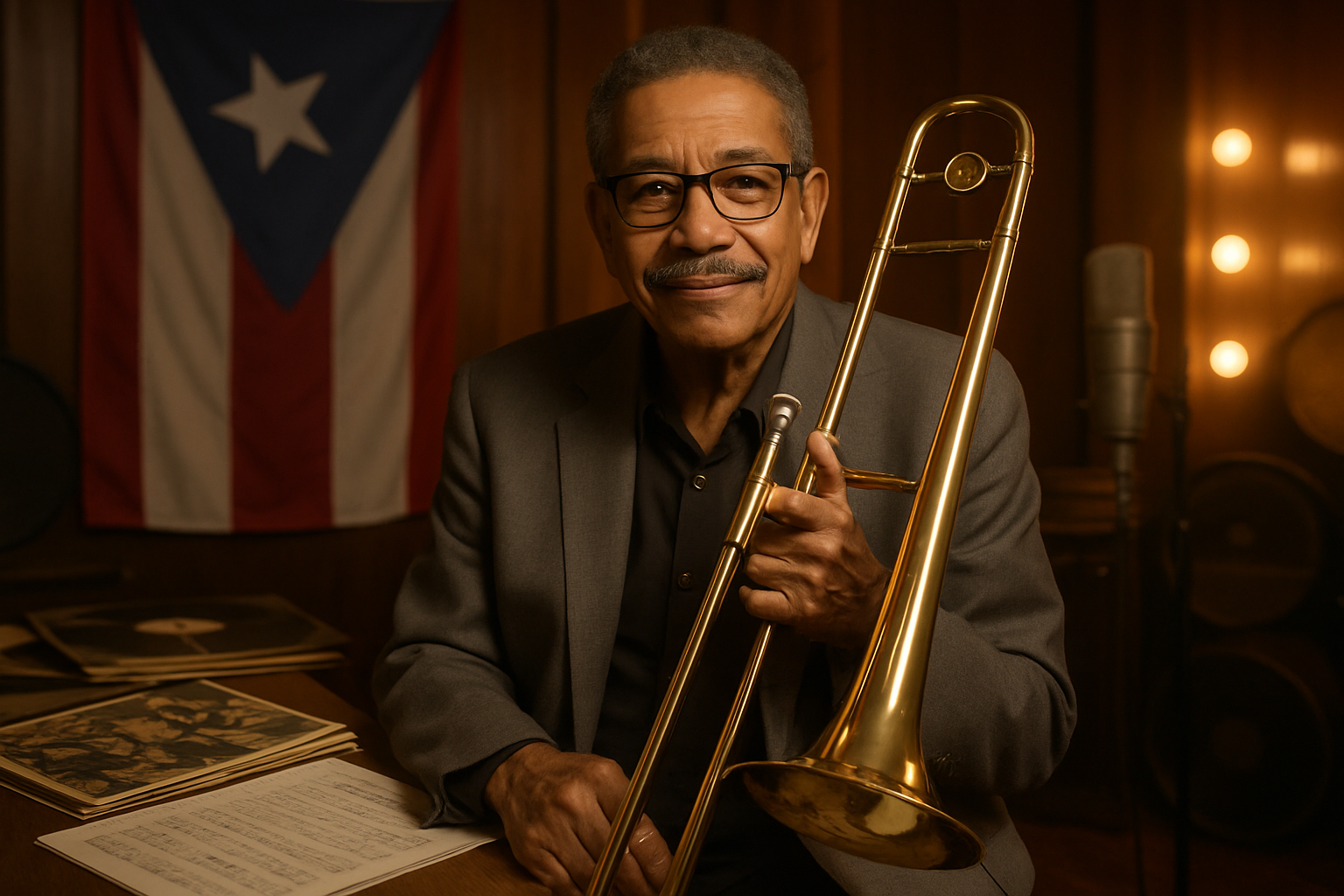
Willie Colón, the Grammy-nominated trombonist and composer who revolutionized salsa music and earned the moniker "El Malo del Bronx," died Saturday at age 75, his family announced on social media.
The Puerto Rican musician, whose career spanned nearly six decades, "passed away peacefully" on Saturday morning "surrounded by his loving family," according to a family statement. No cause of death was provided, though sources indicate he had been experiencing health challenges in recent months.
"While we grieve his absence, we also rejoice in the timeless gift of his music and the cherished memories he created that will live on forever," his family said in the emotional tribute posted across multiple platforms.
A Revolutionary Force in Salsa
Born in the Bronx to Puerto Rican parents, Colón emerged as one of the most influential figures in Latin music history, fundamentally reshaping the salsa genre through his innovative trombone arrangements and streetwise musical sensibility. His breakthrough came with the 1967 album "El Malo," which established him as the enfant terrible of salsa and earned him his enduring nickname.
The self-taught musician drew inspiration from his street experiences, which became his greatest educational foundation. This authentic approach resonated deeply with Latino audiences across the Americas, establishing Colón as a voice for urban Latino communities navigating life between cultures.
"Colón fue un autodidacta que nutrió su trabajo de las experiencias de la calle, que fueron su mejor escuela"
— El Nacional, Venezuela
Throughout his prolific career, Colón released more than 30 albums, earned nine Gold Records and five Platinum certifications, and sold over 8 million records worldwide. His music transcended geographical boundaries, with performances documented from Colombia to Peru, where he was celebrated as "o xerife da salsa" (the sheriff of salsa) by Portuguese media.
The Blades Partnership and Creative Evolution
Perhaps Colón's most celebrated artistic partnership was with Panamanian vocalist Rubén Blades, a collaboration that produced some of salsa's most enduring classics and sophisticated social commentary. Their work together in the 1970s and 1980s elevated salsa from dance music to a vehicle for political and social consciousness.
Despite a professional distance that lasted more than two decades due to misunderstandings, both artists consistently acknowledged their profound musical connection. Blades confirmed Colón's death via social media, expressing condolences to his wife Julia and family members.
Colón's masterpiece "Idilio" became an iconic salsa anthem, showcasing his ability to blend traditional Latin rhythms with contemporary urban sensibilities. His "salsa dura" sound – a harder, more aggressive style – influenced countless musicians and helped define the genre's evolution during its golden age.
Beyond Music: Cultural Ambassador and Political Voice
Colón's influence extended far beyond his musical contributions. He served as a cultural ambassador, bridging Puerto Rican heritage with mainstream American success and helping to establish Latino cultural identity in the broader entertainment landscape. His work frequently appeared in motion pictures, television shows, and sporting events, introducing salsa to global audiences.
The musician maintained strong political convictions throughout his career. In 2013, he made headlines by refusing to perform in Cuba under the Castro regime, a decision that reflected his commitment to human rights and democratic principles. This stance demonstrated his willingness to sacrifice commercial opportunities for his beliefs.
More recently, Colón had praised contemporary artists like Bad Bunny for bringing salsa influences to new generations, showing his appreciation for the genre's continued evolution while maintaining respect for its roots.
International Legacy and Recognition
Colón's impact was truly global, with his death making international headlines from Cyprus to South Africa, demonstrating the worldwide reach of his artistic influence. Billboard magazine had named him among the most influential Latino artists of all time, recognition that reflected his transformative impact on Latin music.
His work in television included composing and performing the theme song for the Mexican telenovela "Demasiado Corazón" in the late 1990s, where he also made guest appearances. This crossover success illustrated his versatility and appeal across different entertainment mediums.
The musician's discovery and production of numerous artists helped shape the careers of multiple generations of Latin musicians. His studio work and mentorship established him not just as a performer but as a crucial figure in the industry's development.
Personal Life and Final Years
Long-time manager Pietro Carlos posted a tribute confirming the death, while multiple family members shared memories on Facebook. Colón is survived by his wife Julia and extended family members who had supported his career throughout the decades.
In his final years, Colón had been documenting his experiences through various media appearances, sharing insights about the golden age of salsa and its cultural significance. His recent praise of contemporary Latin artists suggested he remained engaged with the music industry's evolution until the end.
A Genre-Defining Legacy
Colón's death represents the end of an era for golden-age salsa pioneers, but his influence continues through his impact on contemporary Latin music. His approach to blending traditional Puerto Rican musical elements with urban New York sensibilities created a template that remains influential today.
The timing of his death, occurring during what has been documented as the "February 2026 Cultural Renaissance" period of unprecedented global cultural activity, underscores the enduring relevance of his contributions to world music. His legacy as a cultural bridge-builder between Latino heritage and mainstream success continues to inspire artists seeking to maintain authentic cultural expression while achieving commercial success.
Current band members include Justin Biltonen, Chris Henderson, Chet Roberts, and Greg Upchurch, though the future of group activities remains uncertain given Colón's central role as the creative force and primary vocalist.
Willie Colón's nearly three decades of consistent creative output established him as more than a musician – he was a cultural ambassador who helped define Latino identity in American entertainment while never compromising his authentic artistic vision. His death marks the loss of a distinctive voice that influenced an entire generation and helped establish salsa as a global musical force.