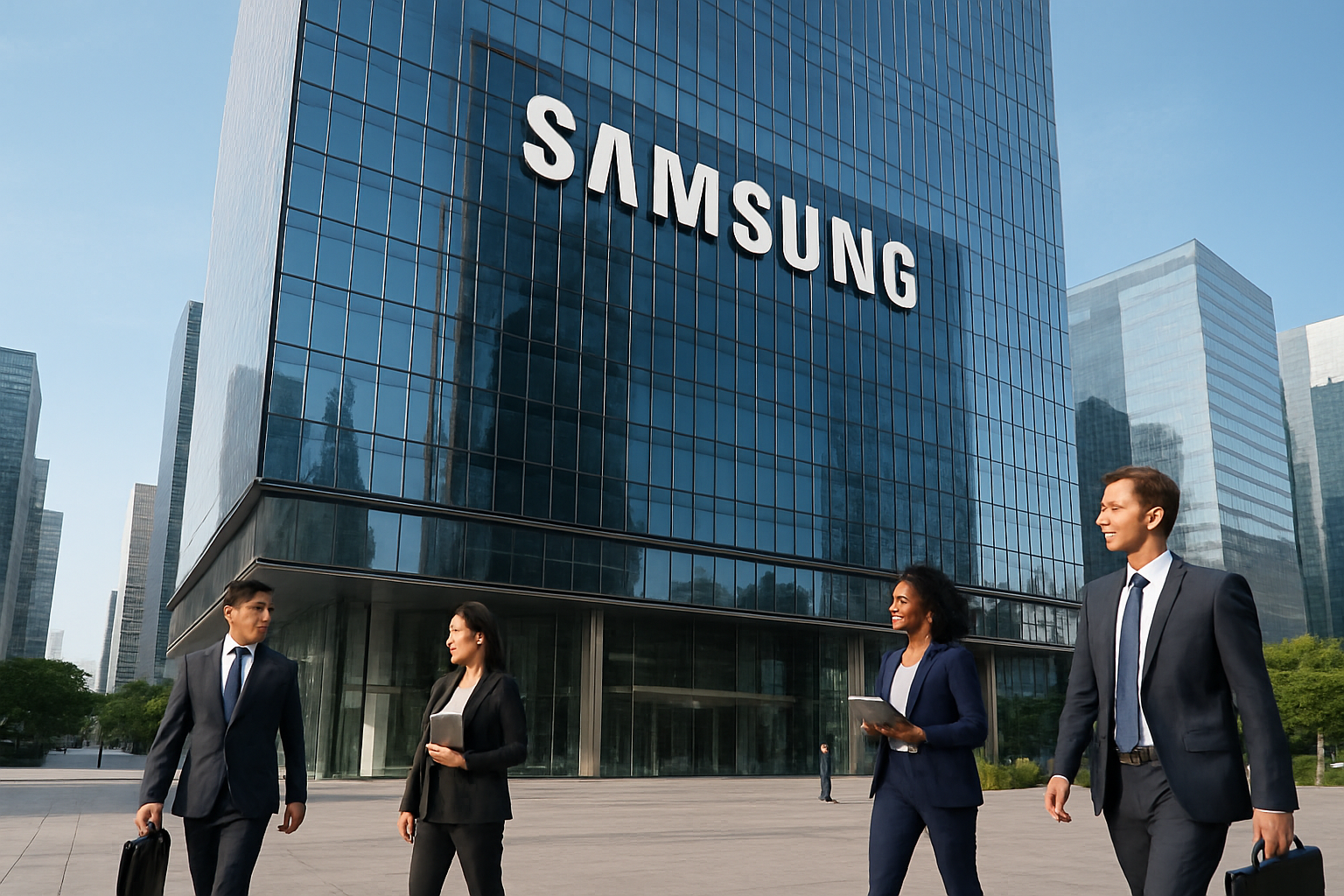
Samsung Electronics has announced a landmark decision to adopt English as the standard language for all written communication with its overseas subsidiaries, marking a significant shift in corporate policy aimed at streamlining global operations and eliminating translation bottlenecks.
The South Korean technology giant's decision represents a fundamental change in how the company conducts international business, moving away from its traditional Korean-language communications model to embrace English as the primary medium for cross-border corporate correspondence. Business sources confirmed the policy change on Monday, according to reports from Korean media outlets.
Strategic Rationale Behind the Language Shift
The decision stems from Samsung's recognition that language barriers have created substantial operational inefficiencies across its global network. Translation processes have been identified as a major source of delays in decision-making and project implementation, hampering the company's ability to respond quickly to market changes and competitive pressures.
By standardizing on English, Samsung aims to eliminate the duplication of effort that occurs when documents must be translated between Korean and various local languages at subsidiary offices worldwide. This streamlining is expected to significantly accelerate collaboration between headquarters in Seoul and international operations spanning dozens of countries.
Impact on Global Operations
Samsung's extensive international footprint makes this language policy change particularly significant. The company operates major manufacturing facilities, research centers, and sales offices across Asia, Europe, the Americas, and other regions, employing hundreds of thousands of workers globally.
The English-language mandate will affect various aspects of corporate communication, including strategic planning documents, operational reports, technical specifications, and inter-departmental correspondence. This standardization is expected to create more seamless information flow between different geographic regions and functional areas within the organization.
Industry analysts suggest this move reflects Samsung's commitment to operating as a truly global corporation rather than a Korean company with international operations. The language shift could also facilitate faster integration of acquired companies and joint venture partnerships, as English serves as the de facto lingua franca of international business.
Broader Industry Context
Samsung's decision comes at a time when many multinational corporations are reassessing their operational structures to improve agility and competitiveness. The technology sector, in particular, has seen increasing emphasis on rapid global coordination as product cycles accelerate and market windows narrow.
Other major Asian corporations have made similar transitions in recent years, recognizing that English proficiency has become essential for attracting international talent and facilitating cross-border partnerships. This trend reflects the growing importance of global integration in technology industries where innovation often requires collaboration across multiple time zones and cultures.
Implementation Challenges and Opportunities
While the policy change promises significant benefits, implementation will likely present challenges, particularly for Korean employees who may need additional English language training. Samsung will need to invest in comprehensive language development programs and potentially adjust hiring practices to prioritize English proficiency.
However, the transition also creates opportunities for Samsung to attract more diverse international talent and strengthen its position in global markets. English-language standardization could make the company more appealing to top international executives and technical professionals who might have been deterred by language barriers.
The policy change may also influence Samsung's supplier relationships and partnership strategies, as English-language communication becomes the norm for all international business dealings. This could lead to more efficient vendor management and faster technology transfer processes.
Long-term Strategic Implications
Samsung's language policy shift represents more than an operational efficiency measure; it signals the company's evolution into a truly global technology leader. As the company continues to compete with American and European tech giants in areas like semiconductors, smartphones, and emerging technologies, seamless global communication becomes increasingly critical.
The move could also position Samsung more favorably for future acquisitions and partnerships, as English-language operations facilitate due diligence processes and post-merger integration. This enhanced capability for international deals could prove valuable as the technology industry continues its rapid consolidation and collaboration trends.
Industry observers will be watching closely to see how this policy change affects Samsung's operational performance and competitive positioning in the months ahead. The success of this initiative could influence similar decisions at other major Asian corporations, potentially accelerating the trend toward English-language standardization in international business.