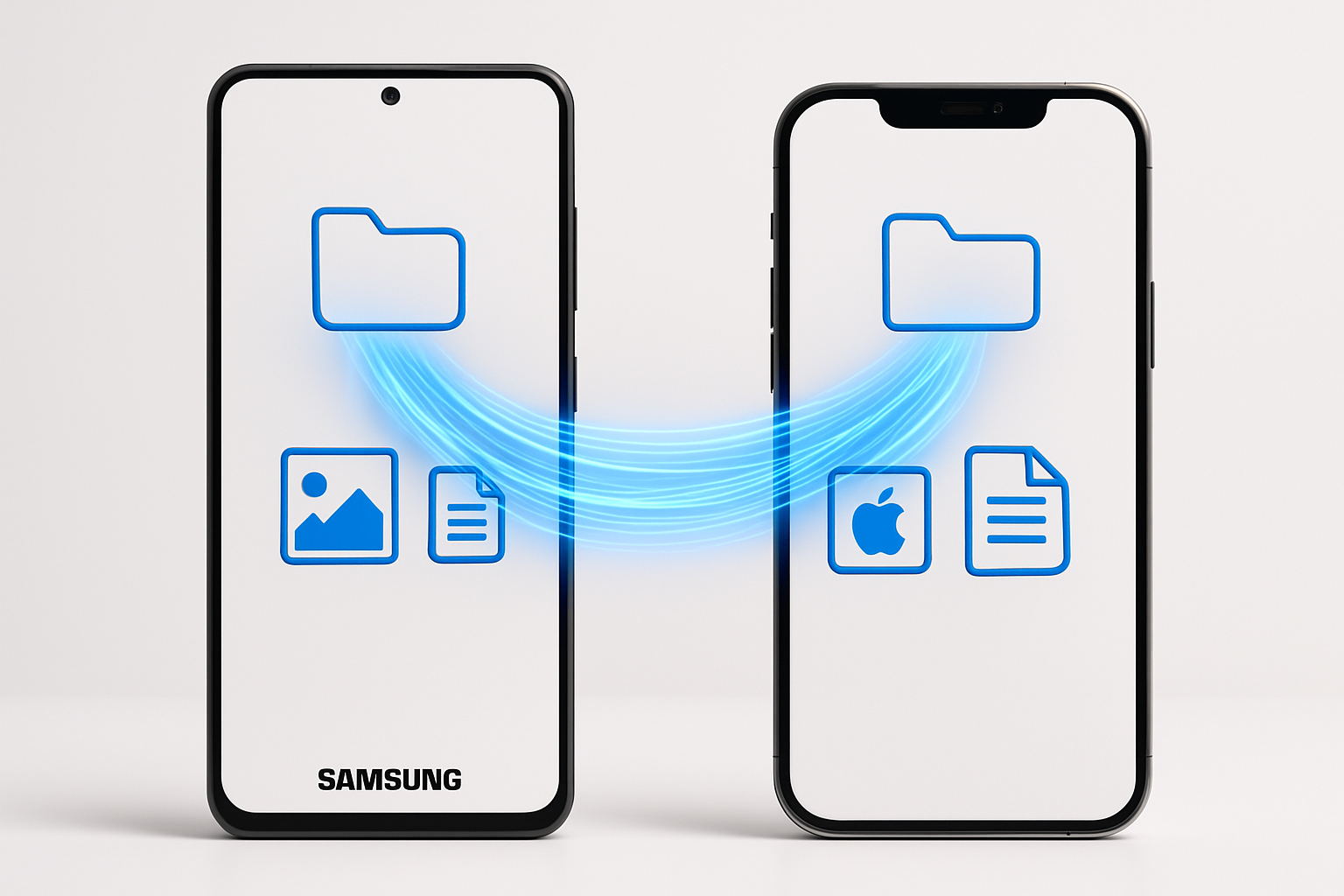
Samsung smartphones are reportedly set to receive AirDrop support, marking a potentially revolutionary step toward cross-platform file sharing between Android and iOS devices, according to Norwegian media reports.
The development, first reported by VG in Norway, suggests that Samsung's flagship devices could soon communicate directly with Apple's ecosystem using the proprietary AirDrop protocol. The brief report indicates the functionality is "rolling out today," though specific details about implementation and device compatibility remain limited.
Breaking Down the Platform Barriers
If confirmed, this would represent the most significant breakthrough in smartphone interoperability since the introduction of universal charging standards. Currently, file sharing between Samsung's Android devices and Apple's iPhones requires third-party applications or cloud services, creating friction for users operating in mixed-device environments.
The timing of this development coincides with Samsung's broader strategic push into cross-platform compatibility. Recent memory from the technology industry reveals Samsung has been exploring various interoperability solutions, particularly as the company positions itself competitively against Apple's increasingly integrated ecosystem.
Technical Implementation Challenges
The integration of AirDrop support on Samsung devices would require significant technical coordination between the Korean manufacturer and Apple. AirDrop relies on a combination of Bluetooth Low Energy for device discovery and Wi-Fi Direct for high-speed file transfers, protocols that would need careful implementation on Samsung's Android-based devices.
Industry experts have long speculated about the possibility of cross-platform file sharing protocols, particularly as regulatory pressure mounts globally for greater device interoperability. The European Union's Digital Markets Act has specifically targeted tech giants to ensure their platforms work seamlessly with competitors' systems.
Market Context and Industry Impact
This development comes amid a challenging period for the smartphone industry. Global memory chip shortages have driven semiconductor prices up sixfold, affecting major manufacturers including Samsung, SK Hynix, and Micron. Consumer electronics costs have increased by 20-30% over the past year, with shortages expected to persist until new fabrication facilities come online in 2027.
Despite these constraints, Samsung recently launched its Galaxy S26 series featuring revolutionary Privacy Display technology and multi-agent AI integration. The company's vertical integration advantages in semiconductors, displays, and manufacturing have provided competitive positioning during supply chain challenges.
The potential AirDrop support would complement Samsung's recent focus on cross-platform compatibility. Reports from Portugal indicate the company has been developing universal tracking devices compatible with both Apple's Find My network and Google's tracking systems, demonstrating a broader strategy toward ecosystem interoperability.
Consumer Benefits and Use Cases
For consumers operating in mixed-device environments, native AirDrop support on Samsung devices would eliminate the current friction of file sharing between platforms. Business users, families with different device preferences, and educational institutions could particularly benefit from seamless document, photo, and file transfers.
The functionality would be especially valuable in workplace settings where employees use various device types. Currently, sharing files between Samsung Android devices and Apple products requires workarounds through cloud services or third-party applications, creating security and efficiency concerns.
Competitive Implications
If Samsung successfully implements AirDrop support, it could pressure other Android manufacturers to follow suit or risk appearing less compatible with Apple's ecosystem. Google, which maintains the Android platform, would likely need to consider how such implementations align with its own file-sharing solutions.
The move would also represent a strategic shift in Samsung's positioning against Apple. Rather than competing purely on hardware specifications or exclusive features, Samsung would be embracing compatibility as a competitive advantage, potentially appealing to users who value flexibility over ecosystem lock-in.
Regulatory and Industry Trends
The development aligns with broader regulatory pressure for tech interoperability. Spain recently implemented the world's first criminal executive liability framework for tech platforms, while France has conducted cybercrime raids on AI companies. The UN has established an Independent Scientific Panel with 40 experts to assess AI and technology integration globally.
European authorities have particularly focused on breaking down digital barriers, with multiple nations coordinating on age restrictions and platform accountability measures. Cross-platform file sharing capabilities would demonstrate industry responsiveness to these regulatory pressures.
Looking Forward
While the Norwegian report provides limited detail about Samsung's AirDrop implementation, the potential development represents a significant shift in smartphone industry dynamics. The success of such integration would depend on Apple's cooperation, technical implementation quality, and consumer adoption patterns.
The broader smartphone market context suggests that differentiation through compatibility, rather than exclusivity, may become increasingly important. As hardware specifications plateau and supply chain constraints persist, manufacturers may find competitive advantages in breaking down rather than building up ecosystem barriers.
Industry observers will be watching closely for official confirmation from Samsung and any response from Apple regarding this potential cross-platform breakthrough. If successful, the implementation could set new standards for smartphone interoperability and influence future device development across the industry.