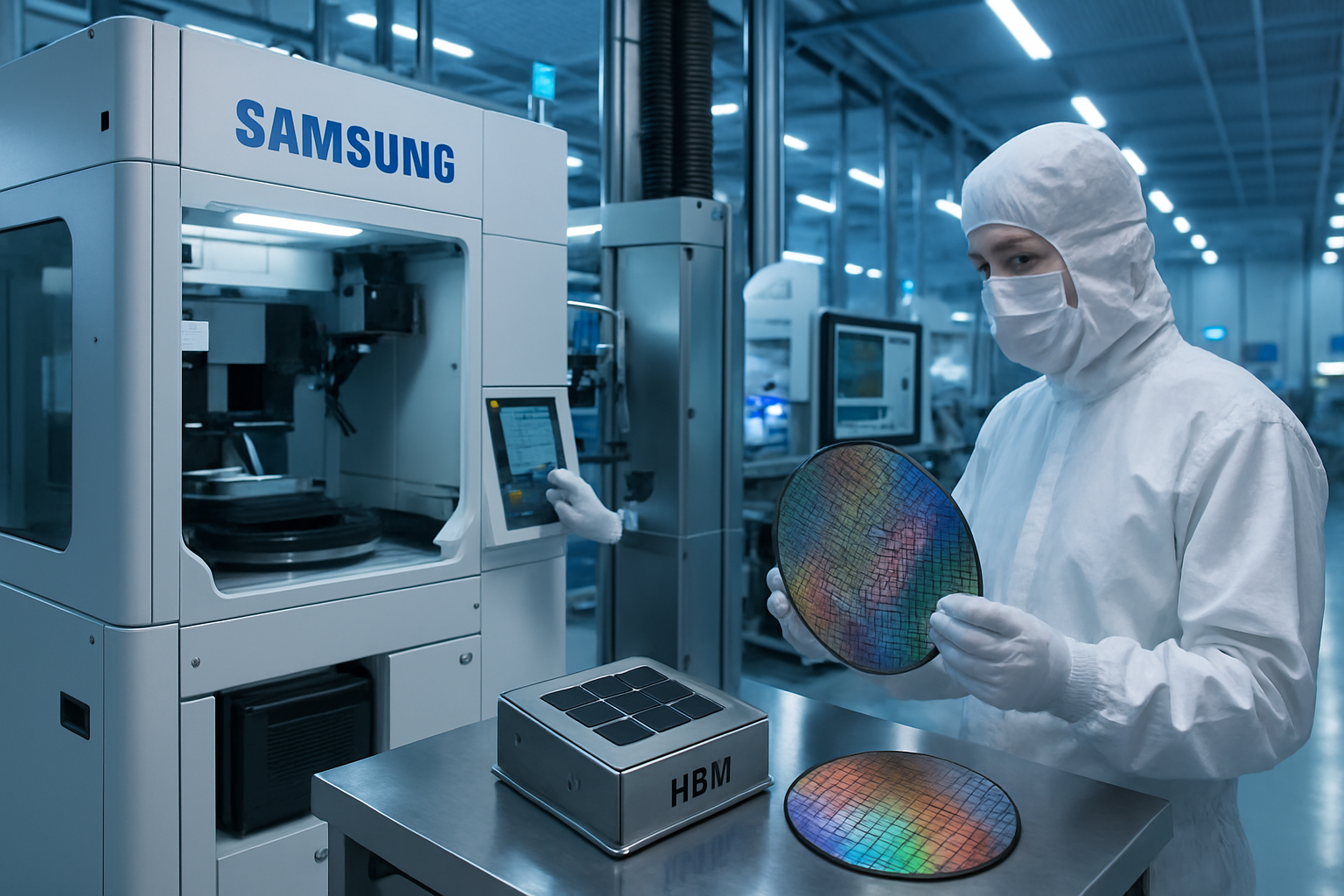
Samsung Electronics Co. is preparing to begin mass production of next-generation HBM4 (High Bandwidth Memory) chips later this month, according to industry sources, marking a critical milestone in addressing the global semiconductor shortage that has plagued the technology industry throughout 2026.
The South Korean technology giant's move comes at a pivotal moment when memory chip prices have surged sixfold due to unprecedented demand from artificial intelligence development, creating significant bottlenecks across the technology sector from smartphones to data centers.
Breaking the Memory Crisis Bottleneck
The timing of Samsung's HBM4 production launch could not be more crucial. The global memory crisis has been one of the defining challenges of 2026, with major technology companies including NVIDIA, Microsoft, Google, and OpenAI competing intensely for limited memory supplies needed for AI training and data center operations.
Industry analysis reveals that memory manufacturers Samsung, SK Hynix, and Micron have been operating at full capacity throughout the year, yet remain unable to meet the explosive demand driven by the generative AI boom. Consumer electronics including smartphones, computers, and gaming consoles have experienced cost increases of 20-30% over the past year due to the supply shortage.
Samsung's entry into HBM4 production represents a technological leap forward in memory capabilities, offering significantly higher bandwidth and capacity compared to previous HBM3 generations. The new chips are specifically designed to handle the intensive computational requirements of advanced AI workloads, making them essential for the next phase of artificial intelligence development.
Strategic Implications for AI Industry
The semiconductor shortage has created unprecedented challenges for AI development companies. OpenAI has been actively seeking alternatives to NVIDIA chips due to supply constraints, while major cloud providers have delayed infrastructure expansion projects worth hundreds of billions of dollars.
"The memory crisis has become the single biggest bottleneck for AI advancement. Samsung's HBM4 production could be a game-changer for the entire industry."
— Technology Industry Analyst
Google's parent company Alphabet announced a historic $180 billion AI infrastructure investment for 2026, while Amazon committed over $1 trillion to AI development. However, these massive investments have been constrained by the limited availability of advanced memory components, making Samsung's production timeline critical for industry expansion plans.
Technical Advancement and Market Impact
HBM4 technology represents a significant advancement over previous memory generations, offering enhanced performance characteristics crucial for AI workloads. The chips feature improved energy efficiency, higher data transfer rates, and increased capacity density, making them ideal for the demanding requirements of machine learning algorithms and neural network training.
The global memory crisis has been particularly acute because new semiconductor fabrication facilities typically require 18-24 months to become operational, meaning the shortage was expected to persist until 2027 when additional manufacturing capacity comes online. Samsung's accelerated HBM4 production timeline could provide much-needed relief months ahead of schedule.
Market observers note that the memory shortage has been driven by genuine AI growth rather than supply chain disruptions, indicating strong underlying demand that should support sustained investment in advanced memory technologies.
Competitive Landscape and Future Outlook
Samsung's HBM4 launch positions the company advantageously in the intensifying global competition for AI infrastructure dominance. The move comes as Chinese companies like DeepSeek have made significant AI breakthroughs, challenging assumptions about US technological leadership and creating new dynamics in the global semiconductor market.
The memory crisis has also driven innovation in memory-efficient algorithms and alternative computing architectures, as companies work to optimize their AI systems for limited hardware resources. Samsung's increased production capacity could accelerate AI development across multiple sectors, from autonomous vehicles to healthcare applications.
Industry experts predict that HBM4 availability will be crucial for the next wave of AI applications, including more sophisticated large language models, advanced robotics systems, and real-time AI processing in edge computing environments.
Global Economic Implications
The semiconductor shortage has had far-reaching economic implications beyond the technology sector. The "SaaSpocalypse" market disruption throughout February 2026 erased hundreds of billions in market capitalization as investors questioned the sustainability of massive AI investments amid infrastructure constraints.
Samsung's HBM4 production could help stabilize technology markets by demonstrating that the memory supply crisis is beginning to resolve. This development is particularly significant given the company's position as one of the world's three major memory manufacturers, alongside SK Hynix and Micron.
The resolution of memory supply constraints could accelerate the deployment of AI technologies across industries, potentially validating the massive investments made by technology giants and providing clearer pathways to monetization of AI capabilities.
Looking Ahead
As Samsung prepares to commence HBM4 mass production, the technology industry watches closely for signs of relief from the memory crisis that has constrained AI development throughout 2026. The success of this production launch could mark a turning point in semiconductor supply dynamics and enable the next phase of artificial intelligence advancement.
The broader implications extend beyond immediate supply relief, as HBM4 technology represents the foundation for future AI capabilities that could transform industries from healthcare to transportation. Samsung's production timeline will be critical in determining whether the AI revolution can continue its rapid pace or face extended delays due to infrastructure limitations.
With major technology companies having committed unprecedented resources to AI development, the availability of advanced memory components like HBM4 will be essential for realizing the full potential of artificial intelligence in addressing global challenges and creating new economic opportunities.