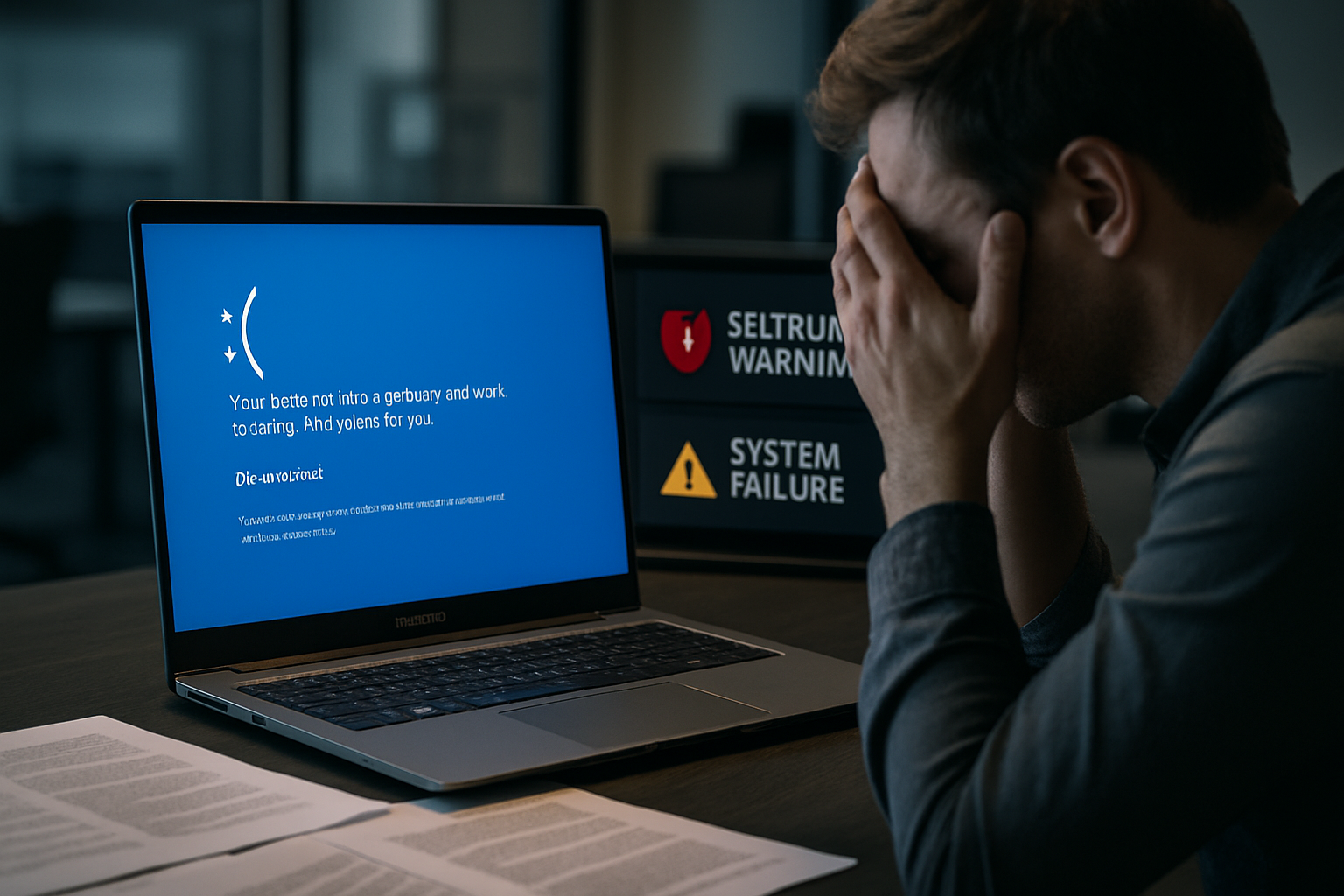
A critical Samsung software bug is causing widespread Windows 11 system failures, blocking access to the C: drive and preventing the launch of essential applications on thousands of Samsung computers worldwide, according to Austrian technology reports.
The error, which displays "Access Denied" messages to users, has effectively rendered many Samsung Windows 11 machines largely inoperable. Austrian technology publication derStandard.at reports that the bug blocks the primary drive and prevents the startup of numerous applications, with affected users finding their systems in a near-paralyzed state.
Technical Impact and User Experience
The Samsung software malfunction creates a cascading series of system failures that fundamentally compromise Windows 11 functionality. Users report being unable to access their C: drive, which contains the operating system and most installed programs. This access denial extends to preventing the launch of both system-critical and user applications, creating an environment where computers become largely unusable for standard operations.
The timing of this Samsung bug is particularly problematic, occurring during what technology analysts describe as a global semiconductor crisis. Memory chip prices have surged sixfold, affecting major manufacturers including Samsung, SK Hynix, and Micron, who are operating at full capacity but unable to meet explosive demand. Consumer electronics costs have increased 20-30% over the past year, with shortages expected to persist until 2027 when new fabrication facilities come online.
Broader Context of Technology Vulnerabilities
This Samsung Windows 11 issue emerges amid escalating cybersecurity concerns globally. Recent reports indicate a 20.6% surge in cyber incidents during Q4 2025, with criminals increasingly using AI-enhanced capabilities to exploit system vulnerabilities. Security researchers have documented criminals leveraging artificial intelligence, instructing chatbots as "elite hackers" for automated vulnerability detection and system exploitation.
The Netherlands recently experienced a telecommunications breach affecting 6.2 million customers (one-third of the population), exposing location data, communication patterns, and personal identification to criminal networks. Cyprus Data Protection Commissioner Maria Christofidou has warned that "personal data has become the currency of the digital age," highlighting the critical importance of maintaining secure, functional systems.
Samsung's Technology Ecosystem Under Pressure
Samsung has been positioning itself as a leader in privacy-focused technology innovations, including the Galaxy S26 Ultra Privacy Display technology that provides hardware-level privacy features. The company has also been named among Google's top five customers for the first time in 2025, reflecting the dramatic shift in technology supply chains driven by AI infrastructure expansion and advanced memory chip demand.
This partnership with Google encompasses co-design strategies enabling faster innovation and competitive advantages, particularly supporting Google's Gemini AI platform and data centers requiring enormous computational resources including Samsung's HBM4 technology. However, the current Windows 11 bug demonstrates the complex challenges facing technology companies during a period of unprecedented transformation.

Industry-Wide Technical Challenges
The Samsung software bug occurs during what technology experts describe as a critical inflection point for the industry. The ongoing "SaaSpocalypse" has eliminated hundreds of billions in traditional software market capitalization as AI demonstrates direct replacement capabilities for conventional solutions. This has created additional pressure on hardware manufacturers to ensure their systems can effectively support both traditional and AI-enhanced software environments.
Microsoft's AI developments, including recent Copilot updates with integrated sidebar panels and enhanced password synchronization functionality, require stable underlying hardware and software ecosystems. When Samsung's software conflicts with Windows 11 operations, it creates vulnerabilities that can be exploited by cybercriminals using increasingly sophisticated AI-powered attack methods.
Resolution Challenges and User Impact
According to Austrian reports, resolving this Samsung Windows 11 bug presents significant technical challenges. The access denial to the C: drive means that standard troubleshooting methods may be ineffective, as users cannot reach system repair tools or administrative functions. This situation potentially requires specialized technical intervention or complete system reinstallation, processes that may result in data loss for affected users.
The bug's impact extends beyond individual users to enterprise environments where Samsung computers are deployed. Organizations relying on Samsung hardware for business operations may face productivity disruptions, security vulnerabilities, and potential data access issues. During a period when companies are increasingly dependent on AI-enhanced workflows and digital infrastructure, such system failures can have cascading effects on business continuity.
Security Implications and Global Context
The Samsung bug creates potential security vulnerabilities at a time when cybersecurity threats are intensifying globally. Criminal organizations have demonstrated sophisticated exploitation of jurisdictional limitations, operating with state-level technological resources and instantly relocating operations across international borders to avoid law enforcement. When legitimate software creates system instabilities, it provides additional attack vectors for these sophisticated criminal networks.
European regulatory frameworks are responding to these challenges with unprecedented measures. Spain has implemented the world's first criminal executive liability framework for technology platforms, creating personal imprisonment risks for tech executives whose platforms experience violations. France has conducted cybercrime raids on AI companies, while the UN has established an Independent Scientific Panel of 40 experts for the first fully independent global AI assessment body under António Guterres.
"The convergence of hardware failures, software vulnerabilities, and sophisticated cyber threats creates a perfect storm of digital insecurity that requires immediate coordinated responses."
— Technology Security Expert
Future Implications and Industry Response
The Samsung Windows 11 bug represents more than an isolated software issue—it highlights the complex interdependencies in modern technology ecosystems. As companies navigate the transition from experimental AI to essential business infrastructure, ensuring reliable, secure hardware-software integration becomes critical for maintaining competitive advantage and protecting user data.
Samsung's response to this crisis will likely influence industry standards for quality assurance and security testing, particularly as the company continues its strategic partnerships with major technology platforms like Google. The resolution of this bug may also impact Samsung's positioning in the market for AI-enhanced devices and enterprise solutions.
This incident occurs during March 2026, which technology analysts describe as a critical inflection point determining whether AI and digital technologies serve human flourishing or become tools beyond democratic accountability. Success in resolving such fundamental system issues requires unprecedented coordination between hardware manufacturers, software developers, and cybersecurity professionals.
Looking Forward
As the global technology industry continues evolving rapidly, incidents like the Samsung Windows 11 bug underscore the importance of robust testing, security protocols, and rapid response capabilities. The window for effective action in maintaining digital security and reliability is narrowing as criminal capabilities advance faster than defensive measures, making immediate coordinated responses essential for protecting users worldwide.
The resolution of this Samsung software issue will serve as a test case for how technology companies manage critical failures during a period of unprecedented industry transformation, semiconductor shortages, and escalating cybersecurity threats that define the current technology landscape.