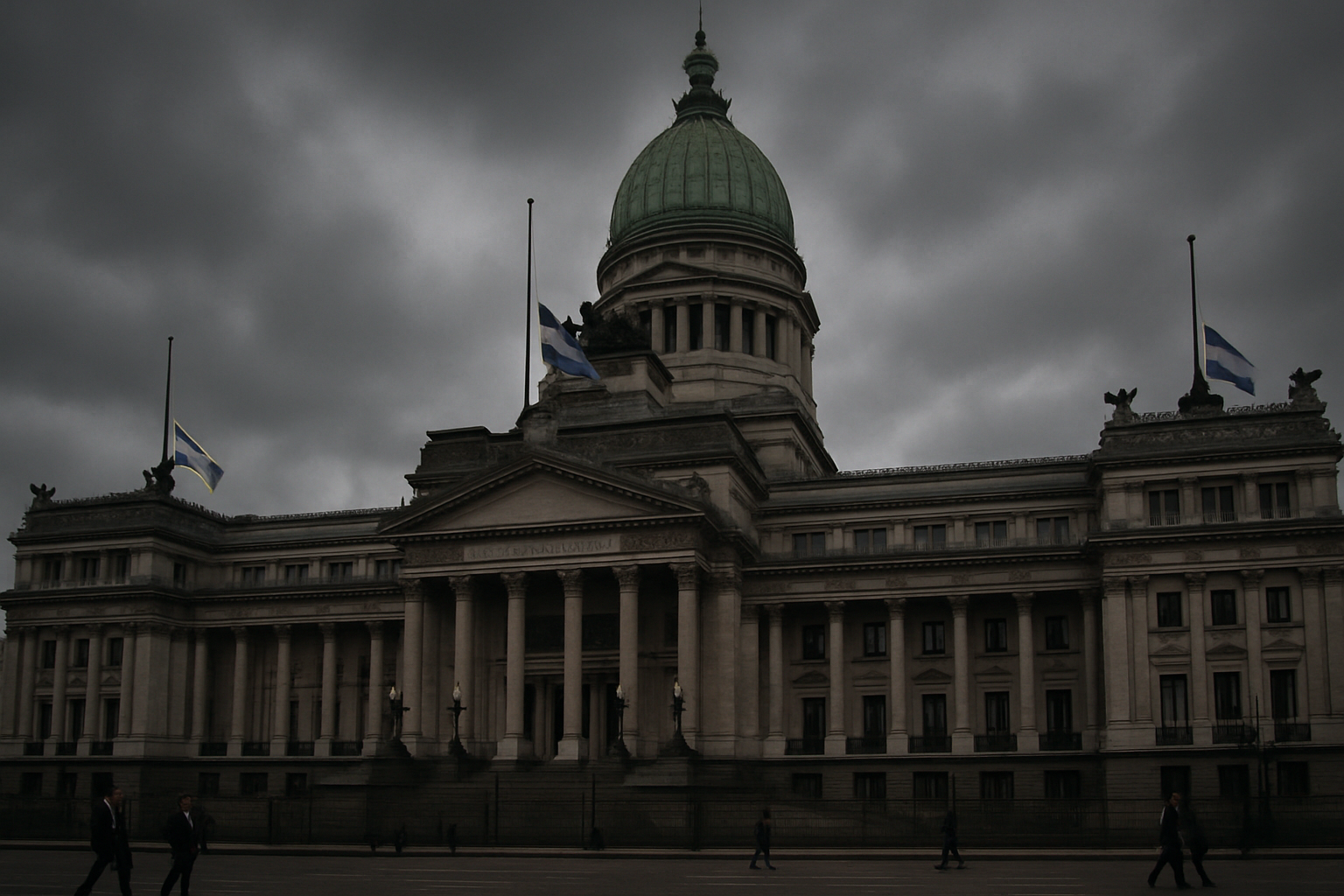
Sandra Mendoza, a prominent figure in Argentine politics and former national deputy for Chaco province, died Wednesday at age 62 in Buenos Aires after complications arising from diabetes, according to confirmation from the provincial Peronist Party (PJ).
The veteran politician, who was the ex-wife of former Chaco Governor Jorge Capitanich, passed away at a private clinic in Buenos Aires where she had been receiving medical treatment. The Peronist Party of Chaco confirmed her death in the early hours of Wednesday, February 11, 2026.
A Distinguished Political Career
Mendoza's political career spanned decades, during which she held several key positions in both provincial and national government. She served as a national deputy representing Chaco province in the Argentine Congress and previously held the position of Provincial Health Minister, roles that established her as a central figure within the Peronist movement in her home province.
Her contributions to public health policy were particularly notable during her tenure as Health Minister, where she focused on improving healthcare access in rural areas of Chaco, one of Argentina's northern provinces that faces significant socioeconomic challenges. Colleagues described her as a dedicated public servant who maintained strong connections to grassroots communities throughout her career.
Connection to Jorge Capitanich
Mendoza's marriage to Jorge Capitanich, who served as Governor of Chaco and later as Chief of Cabinet under President Cristina Fernández de Kirchner, placed her at the center of Argentine political life during crucial periods in the country's recent history. While their marriage ended, both continued to be influential figures within Peronist politics in Chaco.
Capitanich, who has been a prominent figure in Peronist politics and served in various high-level positions including Mayor of Resistencia, has not yet issued a public statement regarding his ex-wife's death. The former couple maintained their respective political careers independently following their separation.
Health Struggles and Final Days
According to sources close to her family, Mendoza had been battling complications related to diabetes, a condition that ultimately led to her hospitalization in Buenos Aires. The decision to seek treatment in the capital reflects the common practice among provincial politicians of accessing specialized medical care in Argentina's largest city.
The 62-year-old politician was receiving treatment at a private clinic when her condition deteriorated in recent days. Her death represents a significant loss for the political establishment in Chaco, where she was considered one of the most experienced and respected figures within the provincial Peronist structure.
Legacy in Chaco Politics
The Peronist Party of Chaco emphasized Mendoza's long-standing commitment to public service and her role in advancing healthcare policy in the province. Her work as both Health Minister and national deputy focused particularly on addressing the needs of underserved communities in rural Chaco.
Political observers note that Mendoza represented a generation of Peronist leaders who came to prominence during the party's resurgence in the early 2000s. Her career trajectory, from provincial health administrator to national deputy, exemplified the traditional path of Argentine political advancement through party structures and public service.
Impact on Current Political Landscape
Mendoza's death comes at a time when Argentine politics continues to evolve under President Javier Milei's administration, which has implemented significant economic reforms that have generated both support and opposition across the country. The Peronist Party, to which Mendoza belonged, has been working to reorganize and present alternatives to Milei's libertarian policies.
Her passing removes an experienced voice from Chaco politics, where the Peronist Party has historically maintained strong influence. Local political analysts suggest her death may create opportunities for younger politicians within the provincial party structure while representing a loss of institutional knowledge and political experience.
Tributes and Recognition
The Peronist Party of Chaco issued a statement highlighting Mendoza's dedication to public service and her contributions to the political and social development of the province. The party characterized her as a leader who maintained close connections with community organizations and consistently advocated for improved public services.
Fellow politicians and colleagues are expected to pay tribute to Mendoza in the coming days, with funeral arrangements likely to reflect her status as a prominent political figure. Her death represents not only a personal loss for family and friends but also the end of an era for a generation of Peronist leaders who shaped Argentine politics during significant periods of national transformation.
Sandra Mendoza's legacy in Argentine politics will be remembered for her commitment to public health policy, her role in Chaco provincial development, and her dedication to the principles of the Peronist movement throughout her decades-long career in public service.