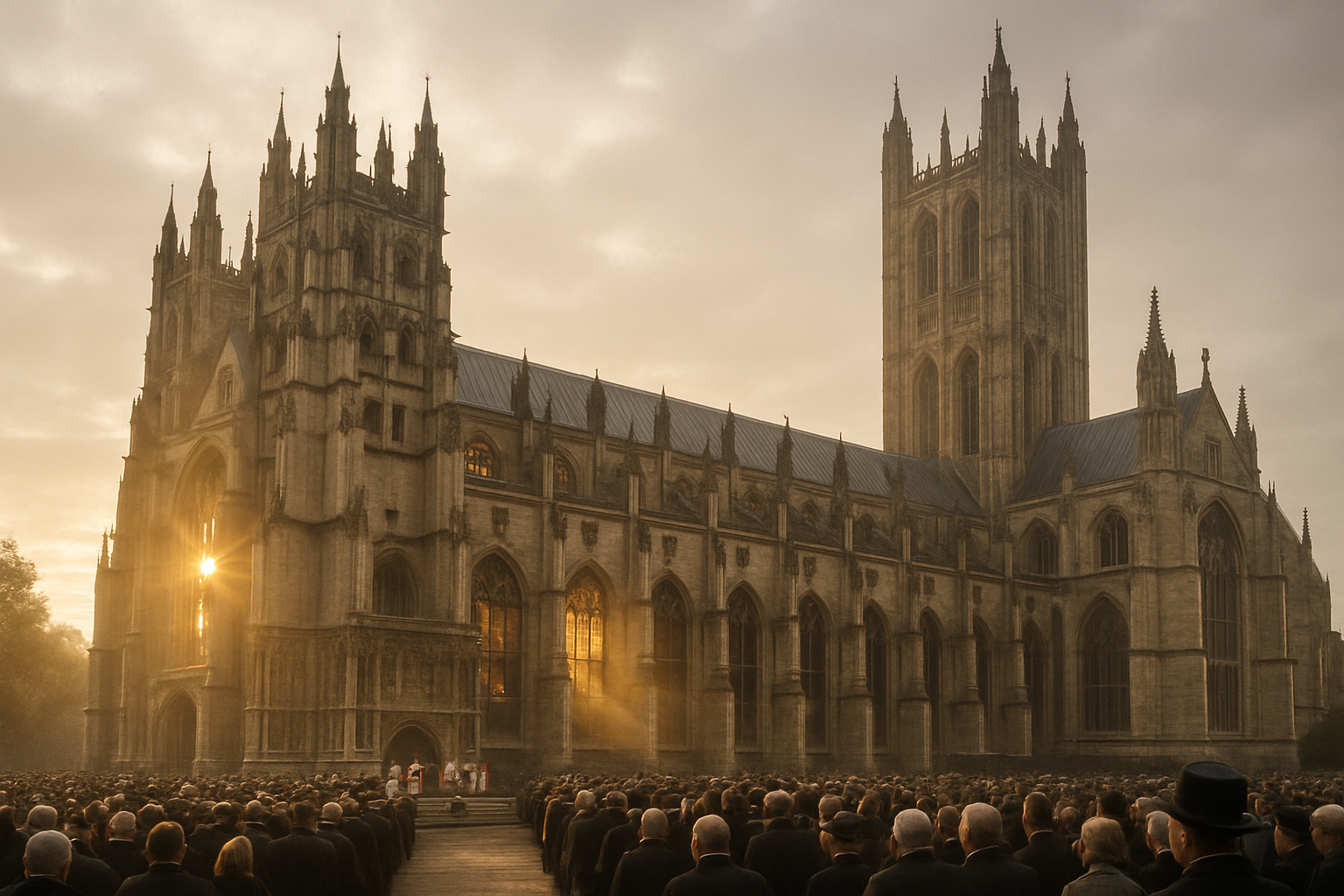
Dame Sarah Mullally has been formally enthroned as the first woman to serve as Archbishop of Canterbury, marking a watershed moment in the 1,400-year history of the Church of England in a ceremony attended by 2,000 guests at Canterbury Cathedral on March 26, 2026.
The historic enthronement ceremony, held at the ancient seat of Anglican Christianity, witnessed Mullally take her place in the 13th-century Chair of St Augustine, becoming the 106th Archbishop of Canterbury and spiritual leader of the worldwide Anglican Communion comprising 85 million members across diverse nations and cultures.
A Moment of Historical Significance
The ceremony blended centuries-old traditions with contemporary recognition of women's voices in religious leadership. Distinguished guests included Prince William and Princess Catherine, Prime Minister Keir Starmer, and religious leaders from around the world, demonstrating the global significance of this appointment.
Archbishop Mullally's enthronement represents the culmination of a decades-long movement within the Anglican Church toward greater inclusion of women in senior leadership positions. The appointment comes just over a decade since the first women bishops were consecrated in 2015, a timeline that surprised many within the Church.
"I don't think any of us thought we'd have a female Archbishop this quickly"
— Bishop Rachel Treweek
The ceremony honored Mullally's unique background, with nurses and healthcare workers prominently featured in the congregation, reflecting her distinguished career in healthcare before entering religious service. This recognition of her professional heritage underscores the diverse pathways now available for senior Church leadership.
Breaking Ecclesiastical Glass Ceilings
Mullally's appointment breaks with the traditional clerical route to the archbishopric. Her background as a former nurse and civil servant positions her uniquely to address contemporary social challenges, healthcare ethics, and interfaith relations in an increasingly complex world.
As the senior bishop of the Church of England, the Archbishop of Canterbury holds constitutional importance beyond religious matters, serving as a moral authority in national affairs and representing Anglican values on the global stage. Mullally's appointment signals the Church's commitment to progressive inclusion while maintaining its ancient traditions.
Global Anglican Leadership
The new Archbishop inherits leadership of the Anglican Communion at a time of both opportunity and challenge. The Communion spans continents from Africa to Asia to the Americas, encompassing diverse cultures and facing varying local challenges while maintaining shared Anglican identity.
Mullally's healthcare background and public service experience are expected to inform her approach to global Anglican leadership, particularly in addressing social justice issues, healthcare accessibility, and interfaith dialogue in an interconnected world.
Broader Religious Leadership Movement
The historic appointment follows broader trends in women's religious leadership worldwide. Recent milestones include the consecration of Reverend Elizabeth Eleanor Wuyah Sowa as the first female bishop of the United Brethren in Christ Sierra Leone Conference in February 2026, demonstrating a global movement toward gender inclusion in senior religious positions.
These appointments represent institutional modernization within religious organizations, as they adapt to contemporary expectations while preserving theological foundations and traditional practices that have sustained faith communities for centuries.
Constitutional and Institutional Impact
As Archbishop of Canterbury, Mullally assumes a role that extends far beyond the Church of England's boundaries. The position carries constitutional weight within Britain's established church system and moral authority that influences national debates on social issues, ethics, and community values.
Her appointment demonstrates the Anglican Church's evolution from traditional clerical succession patterns to embracing diverse professional backgrounds in senior leadership, potentially influencing other religious institutions globally in their approaches to women's leadership and institutional modernization.
Contemporary Challenges and Opportunities
The new Archbishop faces the challenge of maintaining unity within the global Anglican Communion while addressing diverse local needs and theological perspectives. Her unique background combining healthcare, public service, and religious leadership positions her to navigate contemporary challenges including climate change, social inequality, and interfaith cooperation.
Mullally's enthronement occurs during a period of global religious engagement, with faith communities worldwide demonstrating renewed relevance in addressing modern challenges while preserving ancient wisdom and spiritual practices.
Future Implications for Religious Leadership
The appointment sets important precedents for religious institutions worldwide in their approaches to women's leadership, professional diversity in religious careers, and institutional adaptation to contemporary expectations while maintaining theological integrity.
As the Anglican Communion's spiritual leader, Archbishop Mullally's tenure will be closely watched by religious communities globally as a model for combining traditional religious authority with contemporary leadership approaches, potentially influencing the future direction of major world religions.
The historic ceremony at Canterbury Cathedral marks not just a personal achievement for Dame Sarah Mullally, but a transformative moment for Anglican Christianity and religious leadership worldwide, demonstrating that ancient institutions can evolve while preserving their essential spiritual mission and community service.