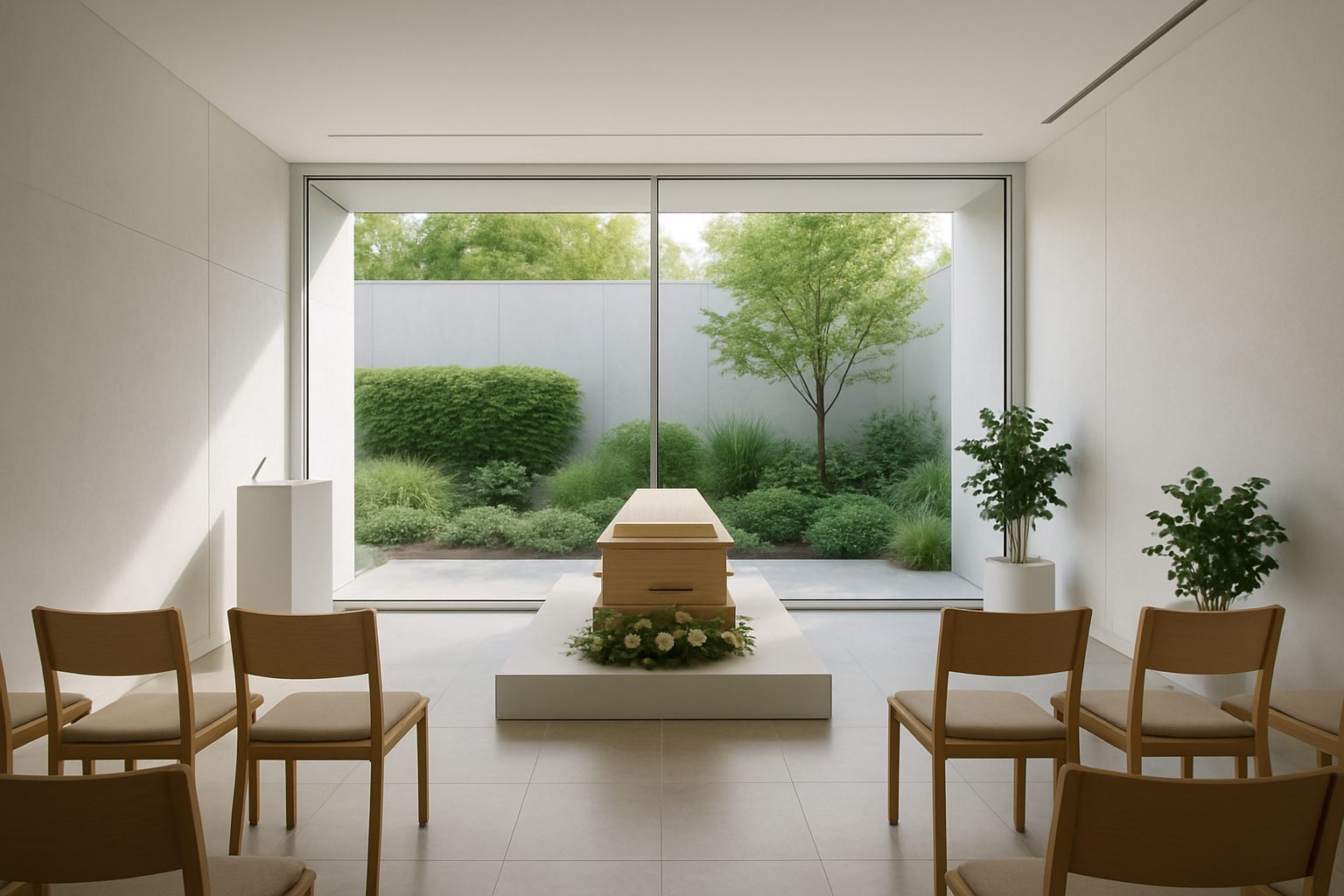
Scotland has become the first country in the United Kingdom to officially permit water cremations, introducing alkaline hydrolysis as an environmentally-friendly alternative to traditional burial and cremation methods.
The groundbreaking decision offers Scottish families a third option for end-of-life services, marking a significant shift in how the UK approaches funeral practices. The process, known scientifically as alkaline hydrolysis, uses water, heat, and alkaline chemicals to break down human remains in a process that proponents argue is gentler on the environment than traditional cremation.
Understanding Alkaline Hydrolysis
Alkaline hydrolysis, colloquially referred to as "water cremation," involves placing the deceased in a sealed chamber filled with water and potassium hydroxide. The mixture is then heated to approximately 160°C (320°F) under pressure for several hours. This process accelerates the natural decomposition that would occur in soil, reducing the body to its basic chemical components.
The end result includes sterile liquid and bone fragments, which can be processed into a powder similar to traditional cremation ashes. The liquid byproduct, which is sterile and contains nutrients, can be safely disposed of through standard wastewater systems or used as fertilizer.
Environmental Benefits
Environmental advocates have long promoted alkaline hydrolysis as a more sustainable option compared to traditional cremation and burial methods. The process uses significantly less energy than conventional cremation, which requires sustained high temperatures of up to 1,000°C (1,832°F) for extended periods.
Traditional cremation releases carbon dioxide, mercury from dental fillings, and other pollutants into the atmosphere. In contrast, water cremation produces no direct emissions and reduces the carbon footprint associated with end-of-life services by an estimated 35% compared to flame cremation.
For burial alternatives, alkaline hydrolysis eliminates concerns about land usage, groundwater contamination from embalming chemicals, and the environmental impact of casket materials and cemetery maintenance.
Global Adoption and Precedents
While Scotland leads the UK in this initiative, alkaline hydrolysis has been gradually gaining acceptance in other regions. Several U.S. states have legalized the process, including California, Oregon, Washington, and Minnesota. The Netherlands approved the method in 2008, becoming one of the first European countries to embrace water cremation.
The technology has been used for decades in medical and veterinary applications for disposing of biological waste and animal remains. Its adaptation for human funeral services represents an evolution of established scientific processes.
Regulatory Framework and Implementation
The Scottish government's approval of alkaline hydrolysis follows extensive consultation with environmental agencies, funeral industry professionals, and religious leaders. The regulatory framework ensures that facilities offering water cremation must meet strict hygiene, safety, and operational standards.
Funeral homes interested in providing alkaline hydrolysis services will need to invest in specialized equipment and obtain proper licensing. The initial setup costs are substantial, with alkaline hydrolysis units typically costing significantly more than traditional cremation equipment.
Cultural and Religious Considerations
The introduction of water cremation raises important questions about cultural acceptance and religious compatibility. While some faith communities have expressed openness to the method as an environmentally responsible choice, others maintain preferences for traditional burial practices.
Funeral industry professionals emphasize that alkaline hydrolysis will complement rather than replace existing options, providing families with greater choice in how they honor their loved ones while considering environmental impact.
Economic Implications
The funeral industry in Scotland is preparing for the practical implementation of water cremation services. Industry analysts suggest that while initial costs may be comparable to or slightly higher than traditional cremation, the long-term environmental benefits could drive consumer demand.
The technology could also position Scotland as a leader in sustainable funeral practices within Europe, potentially attracting international attention and investment in green death care innovations.
Public Reception and Future Outlook
Early public polling suggests cautious interest in water cremation among Scottish consumers, particularly among environmentally-conscious demographics. Educational efforts will be crucial in helping families understand the process and its benefits compared to traditional methods.
The success of Scotland's implementation could influence similar policy decisions in England, Wales, and Northern Ireland. Environmental groups are already advocating for UK-wide adoption of alkaline hydrolysis as part of broader sustainability initiatives.
As climate change concerns continue to influence consumer choices across all sectors, the funeral industry's embrace of sustainable alternatives reflects a growing recognition that environmental responsibility extends to end-of-life decisions. Scotland's pioneering approach may well establish a new standard for how societies balance tradition, innovation, and environmental stewardship in death care services.
The first water cremation facilities in Scotland are expected to become operational within the next 12-18 months, giving families time to learn about this new option while funeral providers prepare their infrastructure and staff training programs.