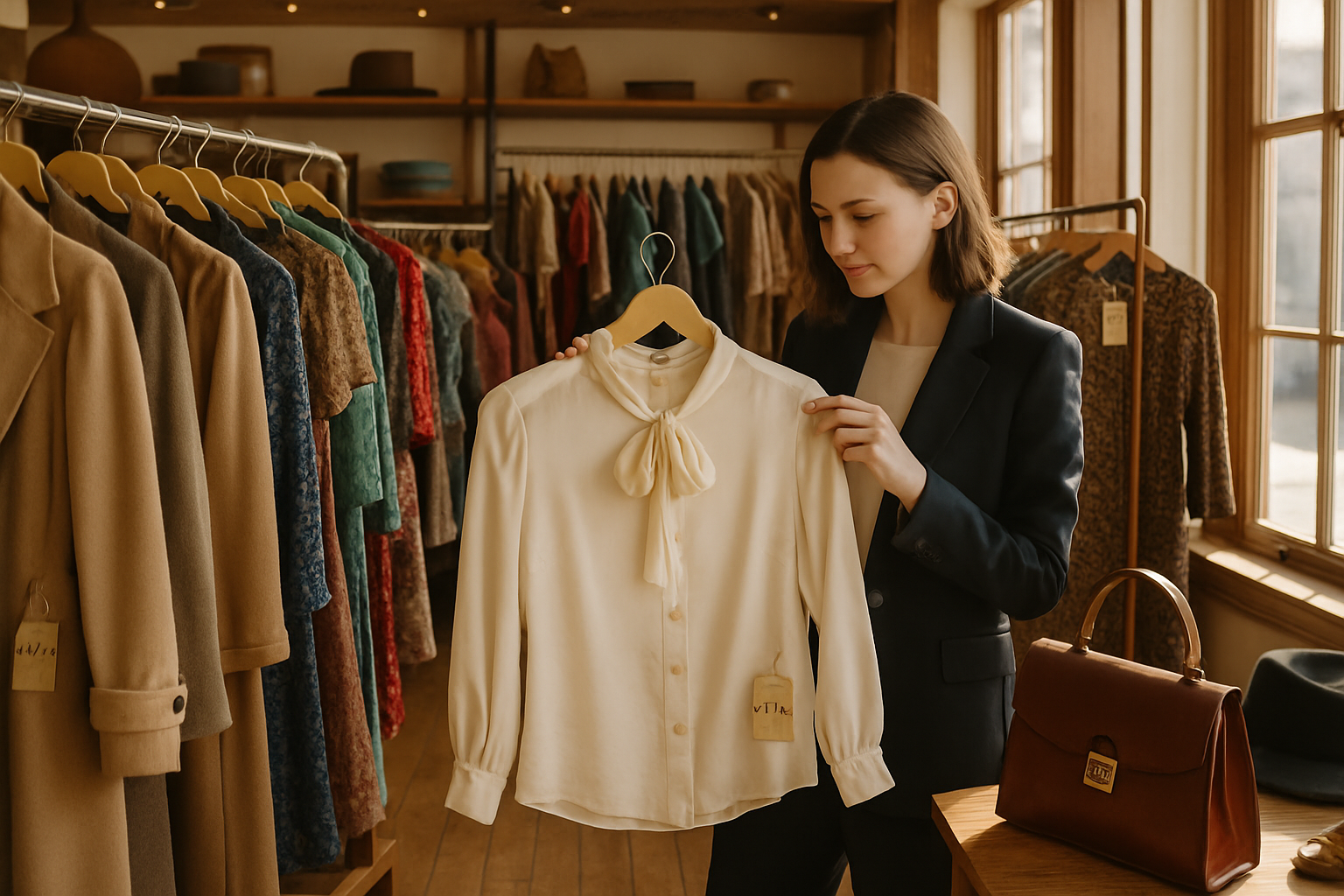
The second-hand clothing market has emerged as a powerful force in the fashion industry, experiencing unprecedented billion-euro growth as consumers increasingly embrace sustainable shopping practices that challenge traditional retail models.
According to recent data from Germany, two-thirds of all Germans have purchased second-hand items, reflecting a fundamental shift in consumer behavior that extends far beyond simple cost-saving measures. This transformation represents one of the most significant retail revolutions of the decade, with implications for fashion brands, environmental sustainability, and economic systems worldwide.
The Economics of Pre-Loved Fashion
The numbers tell a compelling story of market transformation. What was once considered a niche market for vintage enthusiasts has evolved into a multi-billion euro industry that rivals traditional retail sectors. The German market alone demonstrates the scale of this shift, with second-hand purchases becoming mainstream rather than alternative shopping choices.
Consumer motivations reveal a complex blend of economic pragmatism and environmental consciousness. While affordability remains a significant factor, research indicates that sustainability concerns increasingly drive purchasing decisions, particularly among younger demographics who view second-hand shopping as both financially smart and environmentally responsible.
The market's growth trajectory shows no signs of slowing. Industry analysts project continued expansion as digital platforms make second-hand shopping more accessible and socially acceptable. Online marketplaces have revolutionized the sector by providing quality assurance, convenient delivery, and sophisticated search capabilities that mirror traditional retail experiences.
Sustainability at the Fashion Forefront
The environmental impact of the fashion industry has become impossible to ignore. Fast fashion's contribution to textile waste, water pollution, and carbon emissions has prompted consumers to seek alternatives that align with their values. Second-hand shopping offers a direct response to these concerns, extending garment lifecycles and reducing demand for new production.
This shift coincides with broader environmental awareness highlighted by recent global climate data. January 2026 marked the 18th consecutive month of temperatures exceeding 1.5°C above pre-industrial levels, reinforcing urgency around sustainable consumption practices across all sectors, including fashion.
European initiatives have particularly embraced circular economy principles in fashion. Finland's innovative textile recycling program, for example, makes clothing recycling as accessible as plastic bottle returns, demonstrating how government policy can support sustainable fashion choices through economic incentives.
Digital Revolution in Second-Hand Retail
Technology has transformed the second-hand fashion landscape, making it more efficient and appealing to mainstream consumers. Digital platforms use artificial intelligence to curate selections, provide styling advice, and ensure quality standards that rival traditional retail experiences.
Mobile applications now offer features such as virtual try-on capabilities, detailed condition assessments, and personalized recommendations based on individual style preferences and sizing history. These technological advances have eliminated many barriers that previously limited second-hand shopping to dedicated enthusiasts.
The integration of social media features allows users to share purchases, create outfit inspirations, and build communities around sustainable fashion choices. This social aspect transforms second-hand shopping from a private activity into a statement about personal values and environmental responsibility.
Impact on Traditional Fashion Industries
The rise of second-hand fashion is forcing traditional retailers to reconsider their business models. Major fashion brands are increasingly launching their own resale platforms, rental services, and circular fashion initiatives to capture market share and meet changing consumer expectations.
Some companies are partnering with second-hand platforms to offer trade-in programs, allowing customers to exchange used items for store credits. This approach helps brands maintain customer relationships while supporting sustainable consumption patterns.
The luxury fashion segment has shown particular adaptation to second-hand trends. Pre-owned luxury goods often retain significant value, creating robust secondary markets that benefit both consumers seeking affordable luxury and original purchasers looking to recoup investments.
Global Expansion and Regional Variations
While European markets lead in second-hand fashion adoption, the trend is expanding globally with regional variations reflecting local cultures and economic conditions. Asian markets are showing rapid growth, particularly in urban areas where young professionals embrace sustainable fashion as status symbols.
North American markets demonstrate strong growth in online second-hand platforms, with venture capital investment flowing into companies that promise to revolutionize fashion resale through technology and logistics innovation.
Emerging markets present unique opportunities and challenges. While economic factors drive second-hand adoption, infrastructure limitations can restrict online marketplace development, leading to continued reliance on traditional second-hand retail formats.
Quality and Authentication Challenges
As the second-hand market grows, ensuring product quality and authenticity becomes increasingly important. Professional authentication services have emerged to verify luxury items, while quality assessment standards help consumers make informed purchasing decisions.
Advanced imaging technology and expert verification processes are being implemented to combat counterfeits and misrepresented items. These services add costs but build consumer confidence essential for market expansion.
Blockchain technology is being explored for creating tamper-proof provenance records that track garments throughout their lifecycle, potentially revolutionizing how authenticity and condition are verified in second-hand markets.
Future Market Projections
Industry forecasts suggest the second-hand fashion market will continue expanding as consumer awareness grows and technology improves. Younger generations, who increasingly prioritize sustainability over ownership, are expected to drive continued growth.
Integration with artificial intelligence and machine learning will likely improve matching between sellers and buyers, reducing transaction friction and expanding market participation. Augmented reality features may address fit and style concerns that currently limit online second-hand purchases.
Government policies supporting circular economy principles could accelerate growth through tax incentives, extended producer responsibility requirements, and public awareness campaigns that promote sustainable consumption practices.
Economic and Social Implications
The second-hand fashion boom creates new economic opportunities while disrupting established retail patterns. Small entrepreneurs can build businesses around curating, refurbishing, and selling pre-owned fashion, creating employment in local communities.
Social media influencers increasingly showcase second-hand finds, helping normalize and glamorize sustainable fashion choices. This cultural shift reduces stigma previously associated with wearing used clothing and positions sustainable consumption as aspirational.
The trend also democratizes access to designer and high-quality fashion items that would otherwise be financially inaccessible, potentially reducing inequality in fashion consumption while promoting more sustainable practices.
As the second-hand fashion market continues its remarkable growth trajectory, it represents more than just a retail trend. It embodies a fundamental shift toward more conscious consumption, environmental responsibility, and economic innovation that is reshaping not just how we shop, but how we think about fashion's role in our lives and its impact on the planet.