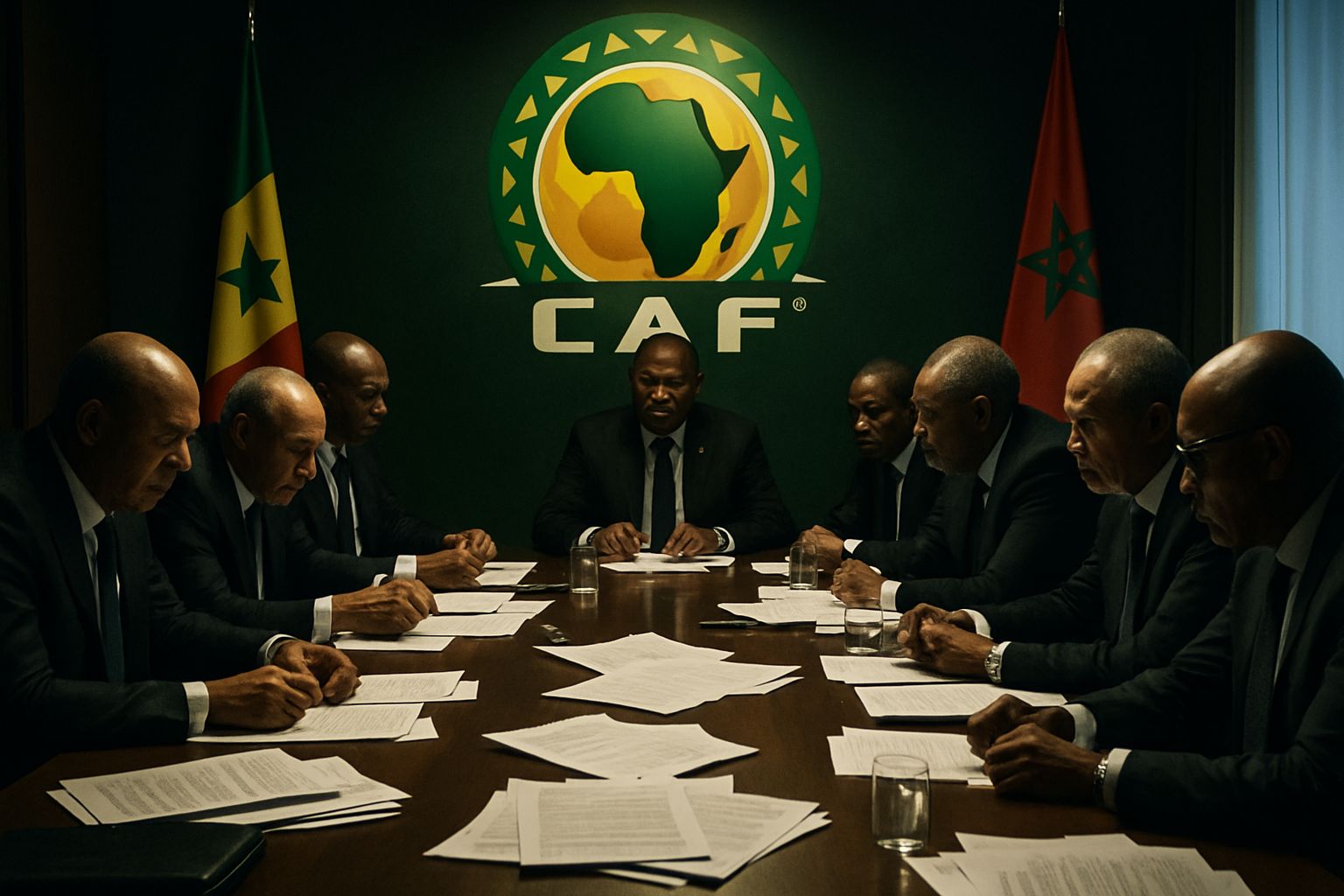
The Confederation of African Football has stripped Senegal of their 2025 Africa Cup of Nations title in an unprecedented decision that has triggered government-level diplomatic crisis and international corruption allegations, with Senegal's government formally demanding a comprehensive investigation into CAF's decision-making process.
In a shocking development that has rocked African football, CAF's Appeals Committee announced on March 17, 2026, that Senegal would be declared as losing the AFCON 2025 final by forfeit with a 3-0 administrative score, effectively transferring the championship title to Morocco two months after Senegal's 1-0 victory on January 18, 2026, at Mohammed V Stadium in Rabat.
Historic Final Becomes Administrative Reversal
The controversial decision stems from incidents during the AFCON 2025 final when Senegal players briefly left the field for approximately 14 minutes in protest of a penalty awarded to Morocco late in the match. Despite the temporary walkoff, the match was completed with Senegal securing victory after extra time, lifting their second AFCON trophy.
However, CAF's Appeals Committee, citing Articles 82 and 84 of AFCON regulations regarding forfeiture, has now ruled that the temporary protest constituted abandoning the match, warranting the administrative reversal. This marks the first time in AFCON history that a title has been stripped months after tournament completion.
"This is a historic moment that challenges everything we know about sporting justice and administrative overreach in African football."
— Sports Law Expert, quoted in Portuguese media
Government-Level Corruption Allegations
The Senegalese government's response has been unprecedented in African football history. In an official communique issued from Dakar, the government expressed "vive consternation" (deep dismay) over what it termed a "grossly illegal" decision that "runs counter to the principles of fairness, loyalty and respect for the truth on the field."
Most dramatically, the Senegalese government has formally accused CAF of corruption, becoming the first African government to make such allegations against the continental football body regarding a title decision. The government is demanding a comprehensive international investigation into CAF's decision-making process, with Prime Minister Ousmane Sonko's administration backing the legal challenge.
CAF President Patrice Motsepe acknowledged the "deep controversy surrounding the final, admitting that the events had damaged trust in African football." In a rare public statement addressing the crisis, Motsepe emphasized that "Senegal has the right to appeal" while maintaining "no country will be favoured" in the process.
International Reactions and Solidarity
The decision has generated widespread international criticism, with several organizations expressing solidarity with Senegal. Spanish club Cádiz CF made an unprecedented gesture of support, stating "Todos con vosotros" (We are all with you), marking rare international club solidarity in continental competition disputes.
French media outlets have been particularly critical, with several publications describing the CAF decision as a "joke of the century." Swedish media noted this represents "a story world football has never experienced," highlighting the unprecedented nature of post-tournament administrative reversals.
Senegalese star Sadio Mané responded defiantly on social media, posting a photo holding the AFCON trophy with the message: "Le monde sait qui est le vrai champion" (The world knows who is the real champion), encapsulating the sentiment of many Senegalese players and fans.
Legal and Procedural Controversies
Sports law experts have raised significant questions about the procedural aspects of CAF's decision. Lawyer and sports law professor Me Moustapha Kamara, with 25 years of experience, described the decision as containing "irregularities," particularly noting the unprecedented nature of declaring a team forfeit two months after a final was completed by the referee.
The virtual hearing process employed by CAF has been criticized for limited transparency and representation concerns. Critics point out that Morocco's 2019 walkoff during an AFCON match "never returned to finish the encounter" without facing similar sanctions, raising questions about consistency in CAF's application of regulations.
The Senegalese Football Federation has announced immediate appeal proceedings to the Court of Arbitration for Sport (CAS), while maintaining that they "will not surrender the trophy." Federation President Augustin Senghor emphasized their commitment to challenging the decision through all available legal channels.
Morocco's Diplomatic Response
The Royal Moroccan Football Federation has maintained a diplomatically cautious stance, stating they have "taken note" of the Appeals Committee's conclusions. In a carefully worded statement, the federation indicated that "our approach did not have the objective of" creating controversy, emphasizing their respect for CAF's institutional processes.
The decision grants Morocco their first AFCON title since 1976, though the victory comes through administrative means rather than on-field achievement, creating a complex diplomatic situation between the two North African nations.
Broader African Football Governance Crisis
The controversy has exposed fundamental questions about CAF's institutional integrity and decision-making transparency. This crisis occurs during a critical period for African football, with the continent preparing for expanded participation in future World Cups and increased global scrutiny of governance standards.
The situation has created the most significant African football governance crisis in modern history, with implications extending far beyond the immediate title dispute. The resolution of this case will establish important precedents for how continental football bodies handle post-tournament appeals and administrative challenges.
International Investigation Demands
Senegal's demand for international investigation represents an escalation beyond traditional sporting dispute resolution. The government's explicit corruption allegations against CAF mark a watershed moment in African sports governance, potentially triggering broader scrutiny of continental football administration.
The case raises critical questions about the balance between sporting achievement and administrative authority in modern football. Legal experts note this could establish precedent-setting templates for post-tournament administrative reversals globally, with the resolution potentially influencing worldwide football federation governance approaches.
Impact on 2026 World Cup Preparation
The controversy is affecting both nations' preparation for the 2026 World Cup. Senegal's campaign has been disrupted by the legal battle and diplomatic crisis, while Morocco gains momentum through controversial circumstances that may affect team morale and international perception.
Commercial implications include prize money redistribution complications and sponsorship relationship adjustments, with both federations requiring clarity on their continental championship status for marketing and development purposes.
As this unprecedented crisis unfolds, the international football community watches closely to see whether democratic institutions and sporting integrity can prevail over administrative interpretation. The outcome will determine not only who holds the AFCON 2025 title, but also establish the template for sporting achievement preservation versus administrative authority in modern continental competition.
The case represents a fundamental test of African football governance and may influence global approaches to post-tournament appeals, international corruption allegations against continental confederations, and the balance between institutional authority and sporting justice in the 21st century.