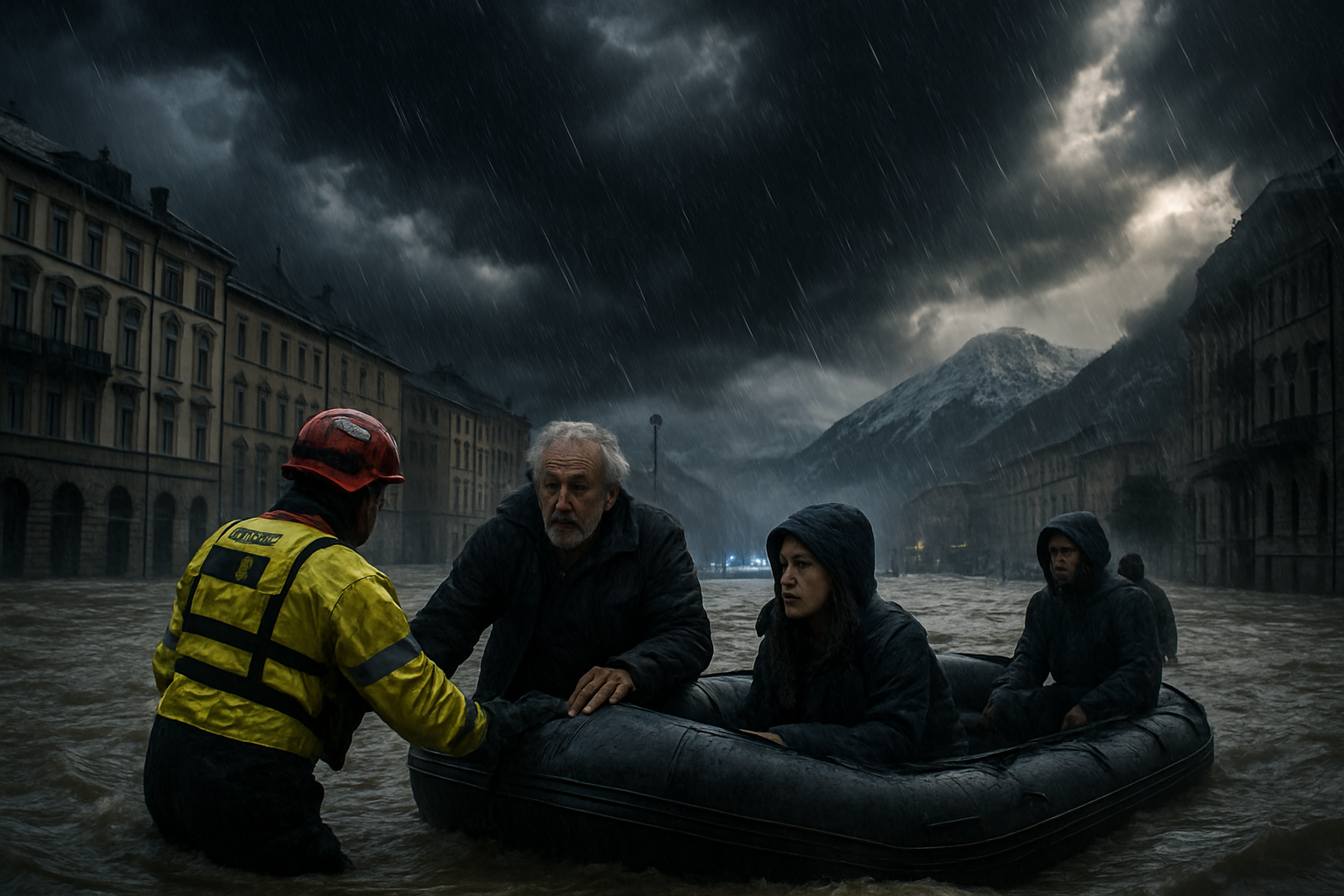
A massive weather system continues to wreak havoc across Europe and North Africa, with Morocco evacuating 50,000 people due to severe flooding while Portugal struggles to recover from Storm Kristin's devastating impact that has overwhelmed building supply companies and prompted calls for European Union assistance.
The crisis represents the latest chapter in a prolonged period of extreme weather that has already claimed over 110 lives in North America and caused unprecedented disruption across the Northern Hemisphere since late January 2026.
Morocco Faces Massive Evacuation Crisis
In one of the most dramatic developments, Moroccan authorities have evacuated approximately 50,000 people due to severe flooding threats, according to Danish broadcaster DR. The evacuation, affecting roughly half the population of the affected areas, represents one of the largest emergency relocations in recent Moroccan history.
The flooding crisis in Morocco adds to the broader pattern of extreme weather affecting North Africa, where humanitarian conditions have deteriorated significantly since October 2025. The region has been grappling with what experts describe as some of the worst flooding in decades, following a period of drought recovery.
Portugal Overwhelmed by Storm Kristin's Aftermath
Portugal continues to reel from the devastating impact of Storm Kristin, with building supply companies reporting unprecedented demand as residents and businesses attempt to repair extensive damage. According to Portuguese media reports, glass, tiles, tarps for roof repairs, generators, flashlights, batteries, and gas stoves have become the most sought-after items for those affected by the storm.
The storm's impact has been particularly severe on infrastructure and cultural venues. The city of Leiria has suspended all cultural programming until February 13, with more than three dozen sessions being rescheduled, including music, theater, cinema, performance, dance, residencies, and a congress.
"Material supply companies are overwhelmed trying to respond to the extensive damage caused by Storm Kristin"
— Portuguese Business Report
Calls for European Union Intervention
The scale of destruction has prompted Portuguese officials to call for activation of the European Union's Civil Protection Mechanism. José Luís Carneiro, reinforcing his availability to collaborate with the government, considers that Portugal should seek support from the European Union to increase resources for responding to what he terms a "crisis."
The request for EU assistance underscores the severity of the situation and Portugal's recognition that national resources may be insufficient to handle the scale of recovery operations needed across the country.
Multi-Country Weather Warnings and Forecasts
The weather crisis extends far beyond Morocco and Portugal, with multiple European countries issuing severe weather warnings and forecasts for continued dangerous conditions.
Lithuania Braces for Complex Weather System
Lithuanian meteorologist Elvyra Latvėnaitė has issued warnings through social media about challenging weather conditions ahead, forecasting a progression from current cold temperatures to freezing rain, blizzards, and heavy snowfall. The forecast indicates new trials ahead for the Baltic nation, which has already been dealing with severe winter conditions.
Greece Prepares for Dual Weather Disturbances
Greek meteorological services are warning of two incoming weather disturbances that will bring severe thunderstorms to the region. Weather conditions are expected to remain unstable for several days, with the potential for significant precipitation and storm activity.
Slovakia Faces Mixed Precipitation
Slovakia is preparing for complex weather conditions as a warm front approaches from the southwest, associated with an extensive low-pressure system centered west of Ireland. The forecast calls for snowfall across much of the country on Tuesday, with rain expected in lower-lying areas, creating potentially hazardous mixed precipitation conditions.
Broader Context of Extreme Weather Pattern
The current crisis represents part of a broader pattern of extreme weather that has affected the Northern Hemisphere throughout early 2026. The same weather system that brought devastating "bomb cyclone" conditions to North America, resulting in over 110 deaths, has continued its destructive path across the Atlantic.
European countries have already been grappling with record-breaking winter conditions, including Storm Kristin's destruction of 90% of trees at the Battle of Aljubarrota Center in Portugal, extreme cold temperatures reaching -28°C in Poland, and widespread infrastructure failures affecting heating systems, schools, and hospitals across multiple nations.
Emergency Response and Infrastructure Challenges
The widespread nature of the weather emergencies has stretched emergency response capabilities across the affected regions. Portugal's building supply crisis highlights how extreme weather events can create cascading effects that extend far beyond the initial meteorological impact.
The suspension of cultural programming in Leiria demonstrates how severe weather disrupts not just physical infrastructure but also social and cultural life, affecting communities' ability to maintain normal activities and services.
Economic and Social Impact
The economic implications of the ongoing weather crisis are becoming increasingly apparent. Portugal's overwhelmed building supply sector indicates significant reconstruction costs ahead, while the need for EU assistance suggests that national budgets may be insufficient to handle recovery operations.
The evacuation of 50,000 people in Morocco represents not only an immediate humanitarian challenge but also substantial economic disruption for affected communities and regions. Such large-scale evacuations require extensive coordination, temporary housing, and support services that strain government resources.
Climate Context and Future Implications
The current extreme weather events occur against the backdrop of ongoing climate concerns and discussions about enhanced preparedness for severe weather. The pattern of consecutive extreme weather events across continents suggests the potential for more frequent and severe weather disruptions.
European Union officials have previously warned about the intersection of climate challenges with supply chain vulnerabilities, particularly regarding critical materials needed for infrastructure resilience and repair operations.
As the weather system continues to affect multiple countries simultaneously, authorities across the region are coordinating response efforts while preparing for additional challenges forecast in the coming days. The situation remains dynamic, with meteorological services maintaining close monitoring of conditions and issuing updated warnings as the system evolves.