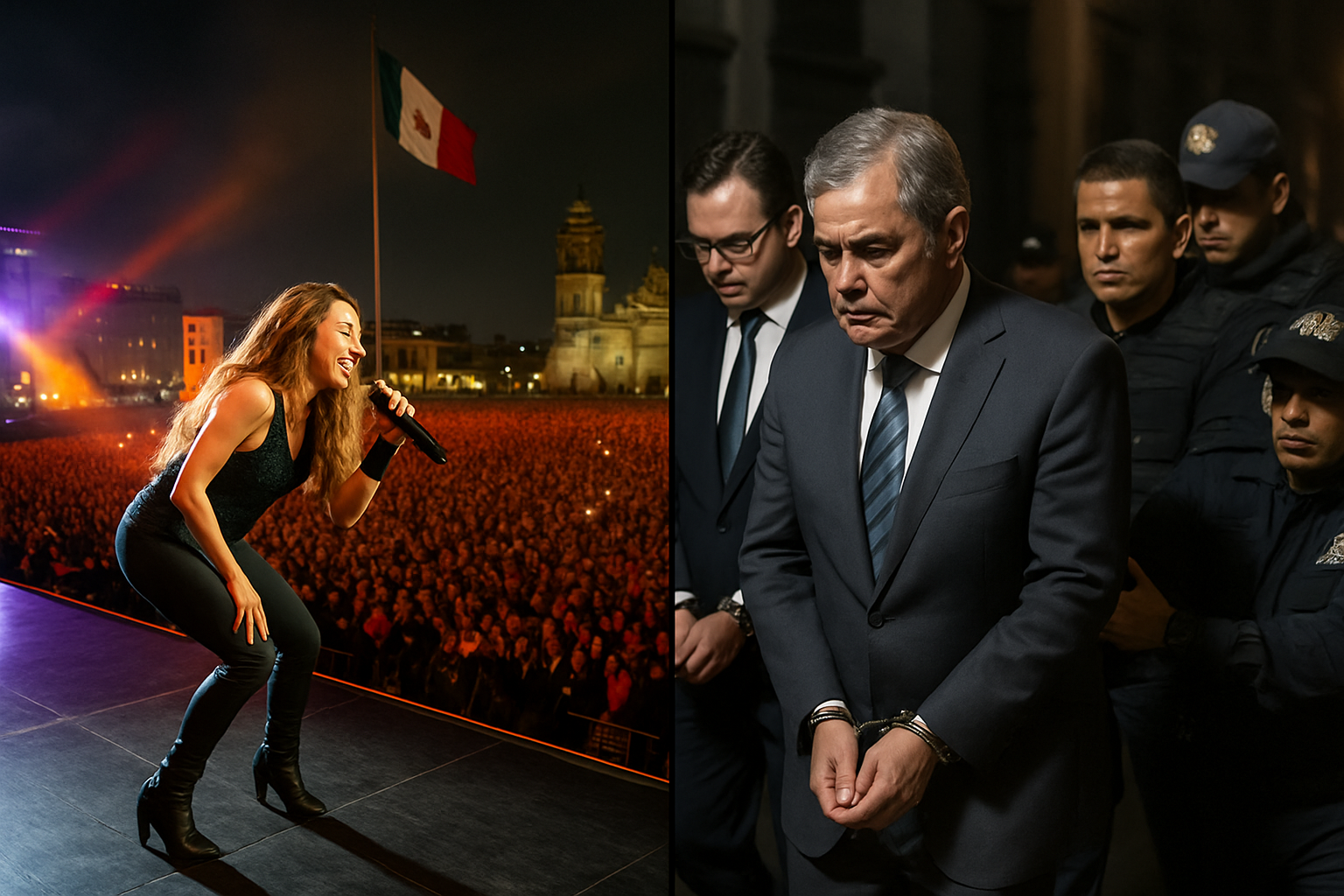
In a dramatic display of contrasts that perfectly encapsulates Mexico's current political climate, Colombian superstar Shakira shattered attendance records with 400,000 fans at Mexico City's Zócalo on March 1, 2026, while authorities simultaneously arrested Monterrey's Development Secretary Karina Barrón on corruption charges, highlighting the stark divide between cultural celebration and institutional crisis plaguing the nation.
The unprecedented entertainment milestone occurred as Mexico grapples with mounting corruption scandals that have reached the highest levels of government, creating a surreal juxtaposition of artistic triumph and political turmoil that has captivated international attention.
Historic Concert Breaks All Records
Shakira's performance at the Plaza de la Constitución demolished the previous attendance record held by Los Fabulosos Cadillacs, drawing an estimated 400,000 people who packed the iconic square and surrounding areas from the Monument to the Revolution to the cathedral steps. The massive crowd represented the largest gathering for a single artist performance in Mexican history.
"400 mil personas disfrutamos del gran espectáculo de Shakira, desde la Plaza de la Constitución hasta el Monumento a la Revolución," announced Mexico City officials, confirming the staggering attendance figures that stretched the capacity of the historic venue beyond all previous measurements.
The Colombian artist's free concert transformed Mexico City's historic center into a sea of euphoric fans, with attendees traveling from across Mexico and neighboring countries to witness what many described as a once-in-a-lifetime cultural event. The performance showcased Shakira's enduring popularity in Latin America and her ability to unite diverse audiences through music.
Corruption Scandal Unfolds
While hundreds of thousands celebrated in the Zócalo, Mexico's Fiscalía General de la República conducted a coordinated operation that resulted in the arrest of Karina Barrón, Secretary of Development Humano de Monterrey, in the metropolitan municipality of San Nicolás.
The detention stems from serious allegations of "falsedad de declaraciones" (false statements) that allegedly occurred during the 2024 electoral campaign, according to official sources. The charges represent part of a broader investigation into systemic corruption that has implicated multiple government officials across various levels of Mexican administration.
Barrón, who previously served as a political opponent to current Morenista Senator Waldo Fernández, was taken into custody following what authorities described as an intensive investigation into electoral irregularities and potential abuse of public office.
Pattern of Institutional Crisis
The arrest occurs within a broader context of institutional challenges that have plagued Mexico throughout 2026. The country has faced unprecedented security crises, including the February elimination of cartel leader "El Mencho" and subsequent violence that killed over 95 people, forcing the deployment of 10,000 federal troops across western regions.
These security challenges have coincided with corruption investigations reaching into the highest echelons of government, creating a climate of institutional instability that contrasts sharply with Mexico's vibrant cultural scene and artistic achievements.
International observers have noted the concerning pattern of high-profile arrests involving government officials, raising questions about the effectiveness of anti-corruption measures and their impact on Mexico's democratic institutions.
Cultural Resilience Amid Political Turmoil
The remarkable success of Shakira's concert demonstrates Mexico's cultural resilience and the population's desire for positive collective experiences despite ongoing institutional challenges. The massive turnout reflected not only the artist's popularity but also the Mexican people's capacity to celebrate artistic achievement while navigating complex political realities.
The event drew comparisons to other major cultural moments in recent Mexican history, including the Super Bowl LX halftime show in February where Bad Bunny performed the first all-Spanish performance in NFL history, highlighting the growing global influence of Latin American artists and culture.
"This shows the power of music to bring people together when institutions fail to provide stability,"
— Cultural Analyst Maria Rodriguez, Universidad Nacional Autónoma de México
International Implications
The simultaneous occurrence of record-breaking cultural achievement and high-profile corruption arrests has drawn significant international media attention, with observers noting how the events symbolize Mexico's ongoing struggle to balance democratic governance with persistent institutional challenges.
The corruption investigation involving Barrón adds to growing concerns about electoral integrity and government accountability that have implications for Mexico's international relationships and economic stability. Foreign investors and diplomatic partners closely monitor such developments as indicators of institutional reliability and rule of law.
European media outlets have characterized the situation as emblematic of broader challenges facing Latin American democracies in balancing popular culture, political stability, and institutional reform in the 21st century.
Looking Forward
As investigations into government corruption continue and Mexico prepares for ongoing legal proceedings, the success of events like Shakira's historic concert provides a reminder of the country's cultural strength and international appeal. The 400,000-person gathering demonstrated Mexico City's capacity to host world-class events while managing complex security and logistical challenges.
The arrest of Secretary Barrón represents part of broader anti-corruption efforts that Mexican authorities say will continue regardless of political affiliations or positions. The investigation's outcome could establish important precedents for accountability in Mexican politics and influence public trust in democratic institutions.
For now, Mexico continues to navigate the complex intersection of cultural celebration and institutional crisis, with events like Shakira's record-breaking performance offering moments of unity amid ongoing political challenges that require sustained attention and reform efforts.