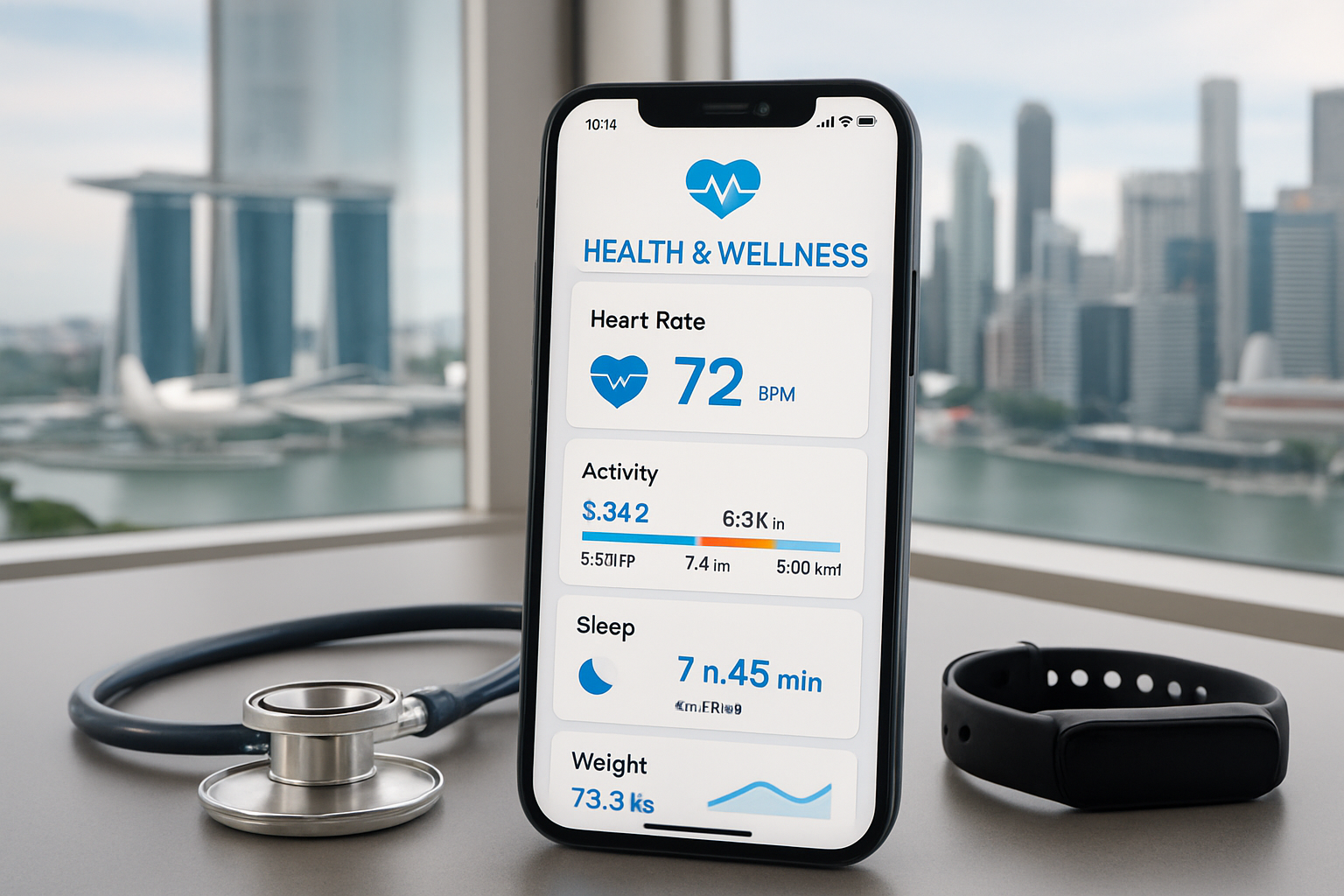
Singapore's pioneering LumiHealth programme will officially end on May 31, 2026, after six years of promoting digital health and wellness among citizens, as the country transitions users to alternative health tracking platforms.
The announcement, made by Singapore's health authorities, marks the conclusion of one of Asia's most ambitious digital health initiatives that aimed to integrate technology with preventive healthcare. Users of the LumiHealth programme are being encouraged to migrate to the Healthy 365 app to continue their health tracking journey.
The LumiHealth Legacy
Launched as part of Singapore's Smart Nation initiative, LumiHealth represented a significant investment in digital health technology and population health management. The programme utilized smartphone technology and Apple's health ecosystem to encourage healthier lifestyle choices among Singaporeans through gamification and rewards.
The initiative was designed to address Singapore's aging population and rising healthcare costs by promoting preventive health measures and early intervention strategies. Over its six-year run, the programme collected valuable data on population health patterns and digital health engagement behaviors.
Transition to Healthy 365
As LumiHealth winds down, Singapore's Health Promotion Board is directing users toward the Healthy 365 app, which will serve as the primary digital health platform moving forward. This transition reflects a strategic shift toward consolidating digital health resources under existing, proven platforms.
The Healthy 365 app, which has been running parallel to LumiHealth, offers comprehensive health tracking features including step counting, nutrition monitoring, and access to health screening programmes. The app also integrates with Singapore's national healthcare system, providing users with personalized health recommendations and reminders.
Global Digital Health Evolution
Singapore's decision comes at a time when digital health solutions are rapidly evolving worldwide. Countries across the globe are reassessing their digital health strategies in light of technological advances and lessons learned from the COVID-19 pandemic.
The digital health market has seen significant growth in recent years, with wearable devices, mobile health apps, and telemedicine platforms becoming increasingly sophisticated. Major technology companies including Apple, Google, and Samsung have invested heavily in health monitoring capabilities, making advanced health tracking more accessible to consumers.
Challenges in Digital Health Implementation
The conclusion of LumiHealth highlights common challenges faced by government-led digital health initiatives. These include user engagement sustainability, data privacy concerns, and the need to demonstrate clear health outcomes and cost-effectiveness over time.
Healthcare experts note that successful digital health programmes require continuous innovation, user feedback integration, and alignment with broader healthcare system goals. The transition from LumiHealth to Healthy 365 suggests Singapore is applying these lessons to optimize its digital health strategy.
International Digital Health Developments
While Singapore concludes its LumiHealth programme, other nations continue to expand their digital health initiatives. Recent developments include breakthrough medical technologies such as brain implants for vision restoration and new preventive treatments for HIV, demonstrating the rapid advancement of health technology globally.
Countries are increasingly focusing on personalized medicine, artificial intelligence-driven diagnostics, and remote patient monitoring systems. These technologies promise to revolutionize healthcare delivery while addressing challenges such as healthcare accessibility and cost management.
Future of Digital Health in Singapore
The end of LumiHealth does not signal Singapore's retreat from digital health innovation. Instead, it represents a maturation of the country's approach to health technology integration. The focus on Healthy 365 suggests a preference for platforms that can seamlessly integrate with existing healthcare infrastructure.
Singapore continues to invest in health technology research and development, with ongoing projects in areas such as precision medicine, digital therapeutics, and health data analytics. The country's strong regulatory framework and tech-savvy population position it well for continued leadership in digital health innovation.
Implications for Users and Industry
For current LumiHealth users, the transition period leading up to May 31 will be crucial for maintaining health tracking continuity. Healthcare providers recommend that users familiarize themselves with Healthy 365's features and ensure their health data is properly migrated.
The programme's conclusion also provides valuable insights for the global digital health industry about programme sustainability, user engagement strategies, and the importance of clear value propositions for both users and healthcare systems.
As digital health continues to evolve, Singapore's experience with LumiHealth offers important lessons about balancing innovation with practical healthcare delivery needs, setting the stage for more effective and sustainable digital health initiatives in the future.