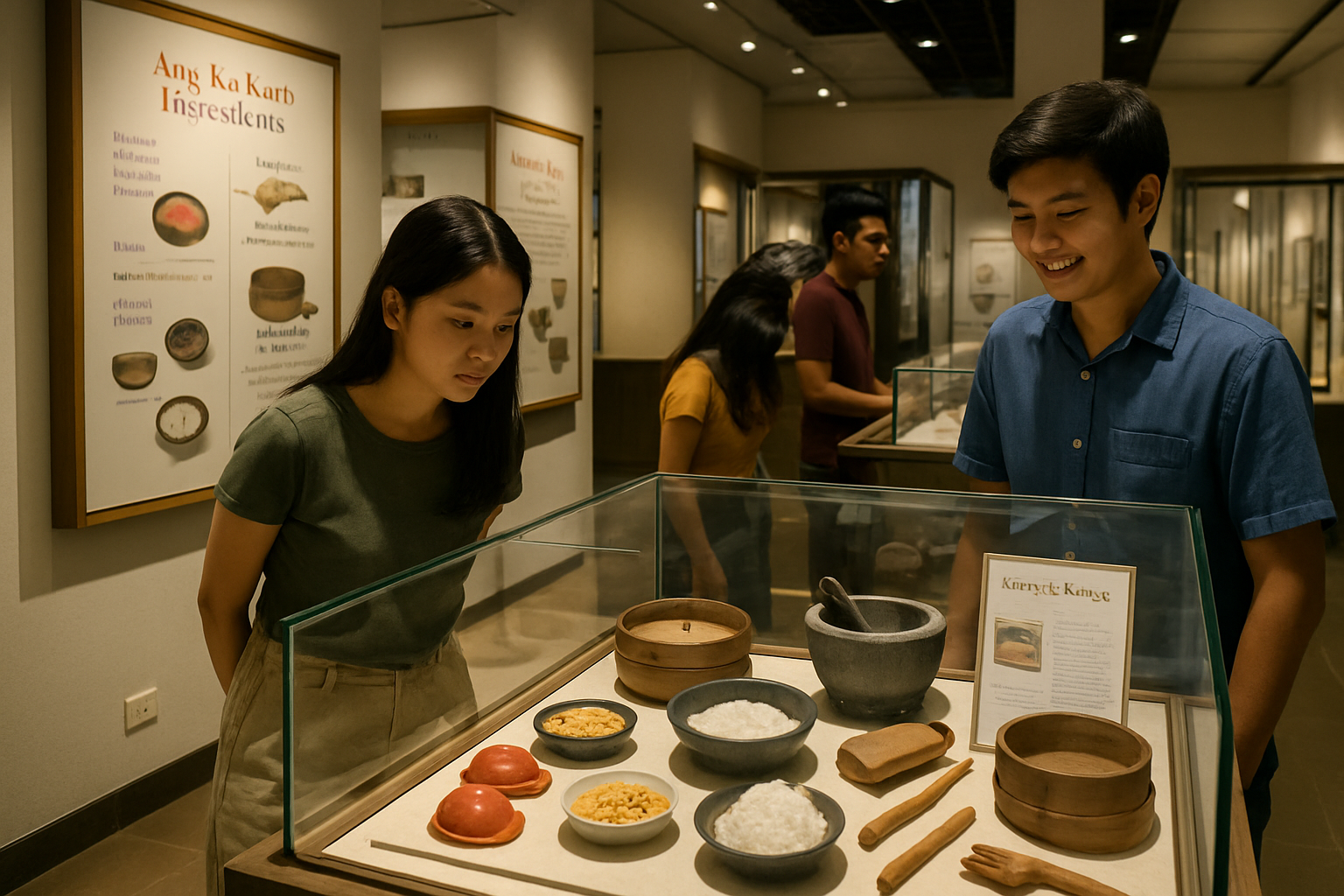
Two Singaporean friends have launched an ambitious cultural preservation initiative after discovering a troubling trend: many of their fellow citizens could expertly prepare tiramisu and brownies but were utterly lost when handed an ang ku kueh recipe, a traditional steamed cake that has been part of Singapore's heritage for generations.
Emily Yeo and Yeo Min founded the Museum of Food with a clear mission: to reconnect Singaporeans with the ingredients, tools, and stories behind their nation's rich culinary heritage. Their initiative represents a growing global movement toward cultural food preservation, occurring during what experts have termed the "2026 Cultural Renaissance" - an unprecedented period of grassroots heritage preservation efforts worldwide.
A Wake-Up Call for Cultural Identity
The revelation that sparked their museum came during casual conversations about cooking preferences among their social circles. They noticed a stark pattern: while friends could confidently navigate complex Western pastry techniques, traditional Southeast Asian cooking methods remained mysteriously foreign to many young Singaporeans.
"The disconnect was striking," the duo observed. "These are dishes and techniques that previous generations knew instinctively, passed down through family kitchens and community gatherings. But somewhere along the way, that knowledge transfer broke down."
This phenomenon isn't unique to Singapore. Global research conducted throughout 2026 has documented similar cultural food knowledge gaps across multiple nations, from traditional Nordic preservation methods in Sweden to ancestral cooking techniques in Central America. The pattern suggests a worldwide shift away from generational food wisdom toward standardized, internationally-influenced cuisine.
Singapore's Cultural Food Landscape
Singapore's food culture represents one of Asia's most sophisticated multicultural culinary ecosystems, blending Chinese, Malay, Indian, and Peranakan traditions into a distinctive national cuisine. Traditional dishes like ang ku kueh - glutinous rice cakes filled with sweet or savory ingredients - carry deep cultural significance beyond their nutritional value.
These heritage foods often involve complex preparation methods, specific ingredient sourcing, and cultural context that cannot be easily replicated through online recipes or cooking videos. The Museum of Food aims to preserve not just the recipes, but the entire cultural ecosystem surrounding traditional Singaporean cooking.
Recent tourism data shows Singapore's food scene continues to attract international visitors, with the Singapore Tourism Board reporting tourism revenue exceeding forecasts. However, this success has increasingly focused on contemporary fusion cuisine and international restaurants, potentially overshadowing traditional local food knowledge.
Part of a Global Renaissance
The Museum of Food initiative aligns with documented international trends toward cultural food preservation. Throughout 2026, similar projects have emerged worldwide:
- Nicaragua's comprehensive gastronomic festival program celebrating traditional dishes like gallo pinto and vigorón
- Bulgaria's revival of traditional honey and cheese buhti pastries as authentic breakfast rituals
- Croatia's official recognition of Istrian Soup as protected intangible cultural heritage
- Venezuela's pursuit of Protected Geographical Indication status for traditional Guayanés cheese
This global movement demonstrates communities recognizing food culture as essential infrastructure for cultural identity, comparable to language preservation or traditional arts programs.
Technology Meets Tradition
The Museum of Food employs sophisticated approaches to cultural preservation, utilizing modern museum techniques while maintaining authentic cultural content. Their methodology includes comprehensive documentation of traditional cooking methods, ingredient sourcing networks, and cultural contexts surrounding various dishes.
Digital platforms enable global sharing of cultural food practices while maintaining community ownership. Social media serves dual functions: cultural knowledge transfer and food safety enforcement through community oversight. This approach reflects successful models observed internationally, where technology enhances rather than replaces traditional cultural transmission methods.
Educational programming focuses on hands-on learning experiences, connecting visitors with traditional cooking techniques through guided workshops and interactive exhibits. The museum also emphasizes storytelling, helping visitors understand the cultural and historical significance of various dishes beyond their preparation methods.
Economic and Social Impact
Cultural food initiatives like the Museum of Food generate substantial economic multiplier effects beyond their immediate educational mission. These include increased tourism interest in authentic cultural experiences, support for traditional ingredient suppliers, and employment opportunities for cultural educators and traditional cooking instructors.
Research conducted throughout 2026 indicates that consumers increasingly pay premium prices for authentic, culturally meaningful food experiences. This "conscious consumption" movement supports sustainable competitive advantages for businesses and destinations emphasizing cultural authenticity over standardized offerings.
The museum also addresses social cohesion by creating spaces where diverse Singapore communities can share their respective culinary traditions. In Singapore's multicultural context, food serves as a common language enabling cultural exchange and mutual understanding across ethnic communities.
Challenges and Solutions
The initiative faces several contemporary challenges. Climate change affects traditional ingredient availability, requiring adaptive sourcing strategies while maintaining cultural authenticity. Changing urban lifestyles limit time for complex traditional cooking methods, necessitating educational approaches that respect time constraints while preserving essential knowledge.
Intergenerational knowledge transfer remains critical, as many traditional techniques exist primarily in older community members' memories. The museum actively engages elderly community members as cultural knowledge bearers, creating formal documentation processes while maintaining respect for traditional oral transmission methods.
Economic pressures also influence food choices, with convenience foods often appearing more affordable than traditional ingredient sourcing. However, the museum demonstrates that traditional cooking methods often provide superior nutritional value and cost-effectiveness when properly understood and implemented.
International Recognition and Collaboration
The Museum of Food has attracted international attention as part of Singapore's broader cultural diplomacy strategy. The initiative positions Singapore as a leader in cultural preservation methodology, potentially influencing similar projects across Southeast Asia and globally.
International cooperation includes knowledge sharing with similar cultural preservation initiatives worldwide. Bilateral partnerships enable resource sharing and expertise exchange, reducing costs while expanding cultural preservation impact. These collaborations respect local cultural autonomy while providing technical assistance and funding support.
Academic partnerships with food studies programs and cultural anthropology departments provide research validation for traditional cooking methods and their nutritional benefits. This scientific backing strengthens the museum's educational credibility while contributing to global food culture research.
Looking Forward
The Museum of Food represents a template for cultural food preservation that other nations and communities can adapt to their specific contexts. Success factors include community engagement with traditional knowledge bearers, economic sustainability through tourism and educational programming, and strategic use of technology to enhance rather than replace traditional cultural transmission.
As Singapore continues developing its reputation as a global cultural and culinary destination, initiatives like the Museum of Food ensure that international recognition builds upon authentic cultural foundations rather than superficial marketing approaches.
The project's timing appears particularly strategic, occurring during what researchers have identified as a critical period for cultural preservation efforts worldwide. Climate change, urbanization, and globalization create both threats and opportunities for traditional culture preservation, requiring innovative approaches that balance preservation with adaptation.
For Emily Yeo and Yeo Min, the Museum of Food represents more than a cultural preservation project - it's a bridge connecting Singapore's rich culinary past with its multicultural present, ensuring future generations can appreciate both tiramisu and ang ku kueh as part of their complete cultural heritage.