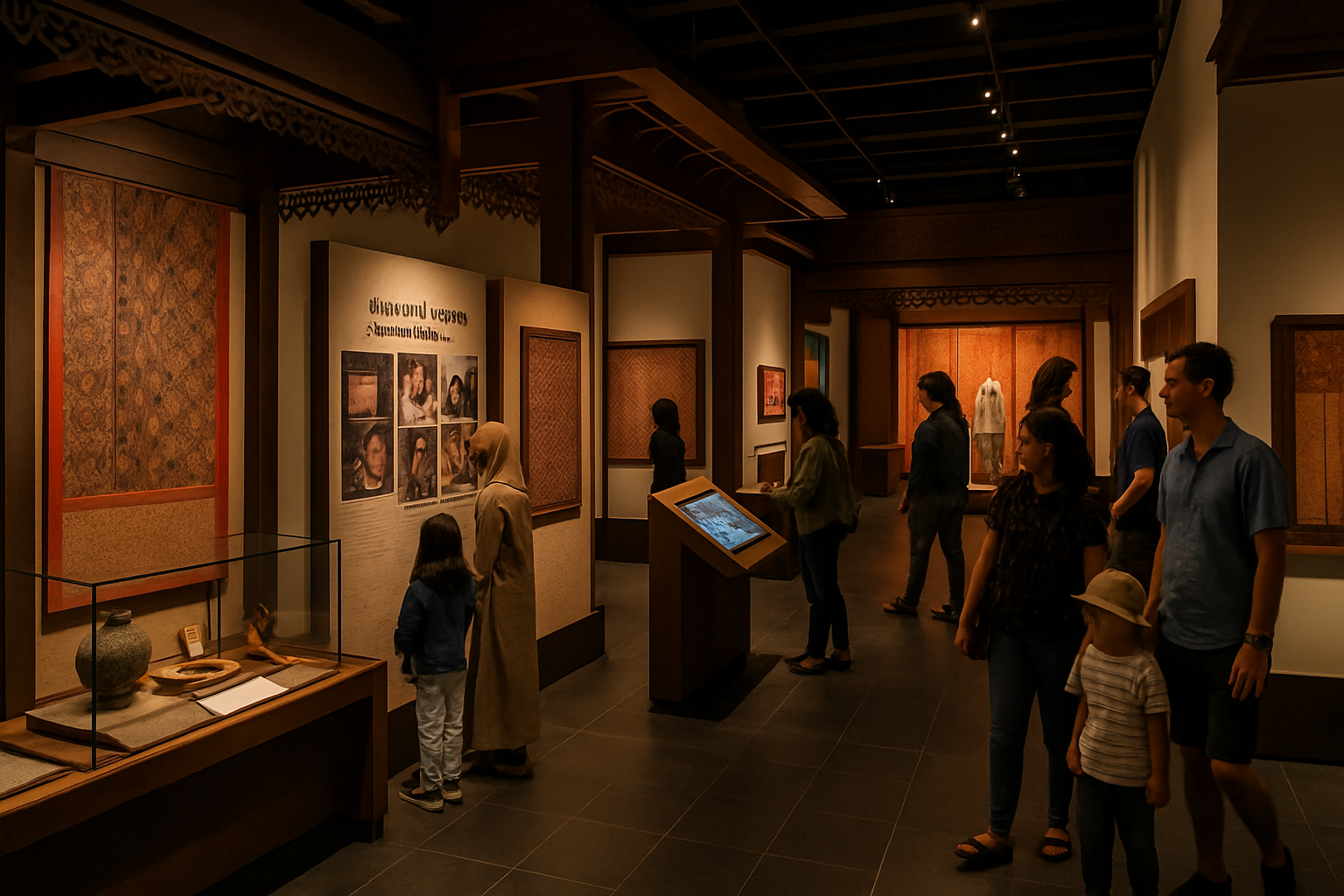
Prime Minister Lawrence Wong's powerful declaration at the reopening of the Malay Heritage Centre that "What we have today is not just a Malay culture but it is a Singaporean Malay culture" marks a transformative moment in Singapore's cultural evolution and reflects a broader global movement toward authentic heritage preservation within multicultural frameworks.
The reopening of this significant cultural institution on April 26, 2026, comes at a critical juncture in Singapore's cultural development, representing not merely a restoration of physical space but a profound reimagining of how heritage sites can serve as bridges between tradition and contemporary national identity.
The Evolution of Singaporean Malay Identity
PM Wong's statement captures a fundamental truth about cultural development in multicultural societies: authentic cultural preservation requires acknowledgment of how traditions evolve within specific national contexts while maintaining their essential character. The concept of "Singaporean Malay culture" represents a sophisticated understanding that cultural heritage is not static but rather a living, breathing entity that adapts to local circumstances while preserving core values and practices.
This approach aligns with global best practices in cultural preservation that recognize the need for adaptive stewardship. The heritage centre's reopening demonstrates Singapore's commitment to what international experts call "living heritage" – preservation that serves contemporary communities while honoring ancestral traditions.
Global Context: The 2026 Cultural Renaissance
Singapore's cultural milestone occurs within what scholars have identified as the unprecedented "2026 Cultural Renaissance" – a coordinated global movement toward sophisticated heritage preservation and cultural celebration. From Malaysia's multicultural integration during Chinese New Year celebrations to Estonia's poetry revival and Nicaragua's creative tourism circuits, nations worldwide are recognizing culture as strategic infrastructure equivalent to transportation and communication systems.
The Singapore Museum of Food, established by Emily Yeo and Yeo Min, exemplifies this trend. Their initiative addresses the reality that many Singaporeans can prepare Western desserts like tiramisu and brownies but lack understanding of traditional recipes like ang ku kueh (glutinous rice cakes). This represents the same challenge the Malay Heritage Centre addresses – ensuring cultural knowledge transmission while embracing contemporary realities.
Technology and Tradition: A Sophisticated Synthesis
The reopened heritage centre incorporates sophisticated technology-tradition synthesis that characterizes successful cultural preservation in 2026. Digital platforms enable global accessibility while maintaining community ownership and authentic cultural expression. Interactive displays, virtual reality experiences, and digital archives extend the centre's reach without diminishing the fundamental human connections that make cultural experiences meaningful.
This approach contrasts sharply with earlier fears that digitization would diminish cultural authenticity. Instead, Singapore demonstrates how technology can amplify traditional practices, creating new opportunities for cultural education and community engagement while preserving the essential human elements that define authentic heritage experiences.
Economic and Diplomatic Impact
Cultural preservation initiatives like the Malay Heritage Centre generate substantial economic multiplier effects through cultural tourism, creative industry employment, and international recognition. Singapore's strategic positioning as a cultural hub creates competitive advantages in tourism, international relationships, and community development.
The centre serves multiple diplomatic functions, showcasing Singapore's sophisticated approach to multicultural harmony for international visitors while strengthening regional cultural networks. This positions Singapore as a model for other multicultural nations seeking to balance heritage preservation with national unity and international engagement.
Community Engagement and Authentic Expression
The success of the heritage centre depends fundamentally on authentic community engagement and meaningful cultural expression. PM Wong's emphasis on "Singaporean Malay culture" recognizes that effective cultural preservation must serve contemporary community needs while maintaining connection to ancestral traditions.
This community-centered approach reflects global best practices demonstrating that successful cultural initiatives emerge from authentic cultural expression rather than top-down programming. The centre creates platforms for intergenerational dialogue, cultural education, and community celebration that strengthen social bonds while preserving cultural knowledge.
Challenges and Adaptive Strategies
The heritage centre reopening occurs amid contemporary challenges facing cultural institutions worldwide. Climate change threatens physical heritage sites, economic pressures affect youth participation in traditional arts, and digital entertainment competes with cultural forms requiring sustained attention and community engagement.
Singapore's adaptive strategies demonstrate mature responses to these challenges. Climate-controlled environments protect delicate artifacts, digital programming engages younger generations, and strategic partnerships ensure sustainable funding. The centre balances global accessibility with local authenticity, creating programming that serves both international visitors and local communities.
Template for 21st Century Cultural Stewardship
The Malay Heritage Centre represents a template for 21st-century cultural stewardship that successfully balances innovation with tradition, local authenticity with international cooperation, and economic viability with cultural integrity. This approach establishes precedents that other cultural institutions can adapt to their specific contexts.
The centre demonstrates that authentic cultural expression can achieve global appeal while maintaining local significance. Rather than compromising cultural authenticity for international accessibility, Singapore shows how thoughtful programming can serve both objectives simultaneously.
Future Implications
The reopening of Singapore's Malay Heritage Centre during the global Cultural Renaissance of 2026 represents more than preservation of the past – it demonstrates culture's power to unite communities, transcend boundaries, and create sustainable foundations for future human flourishing. PM Wong's articulation of "Singaporean Malay culture" provides a framework for understanding how heritage can serve contemporary needs while honoring ancestral wisdom.
This milestone offers hope that cultural diversity can thrive within unified national identities, that heritage preservation can strengthen rather than divide communities, and that authentic cultural expression can bridge differences while celebrating what makes each community unique. As nations worldwide grapple with questions of identity, belonging, and cultural preservation, Singapore's approach provides a sophisticated model for creating inclusive cultural narratives that honor the past while embracing the future.
The heritage centre's reopening signals not just the restoration of a cultural institution, but the dawn of a new era where cultural heritage serves as both anchor and bridge – connecting communities to their roots while building pathways to a shared future characterized by mutual respect, understanding, and celebration of diversity within unity.