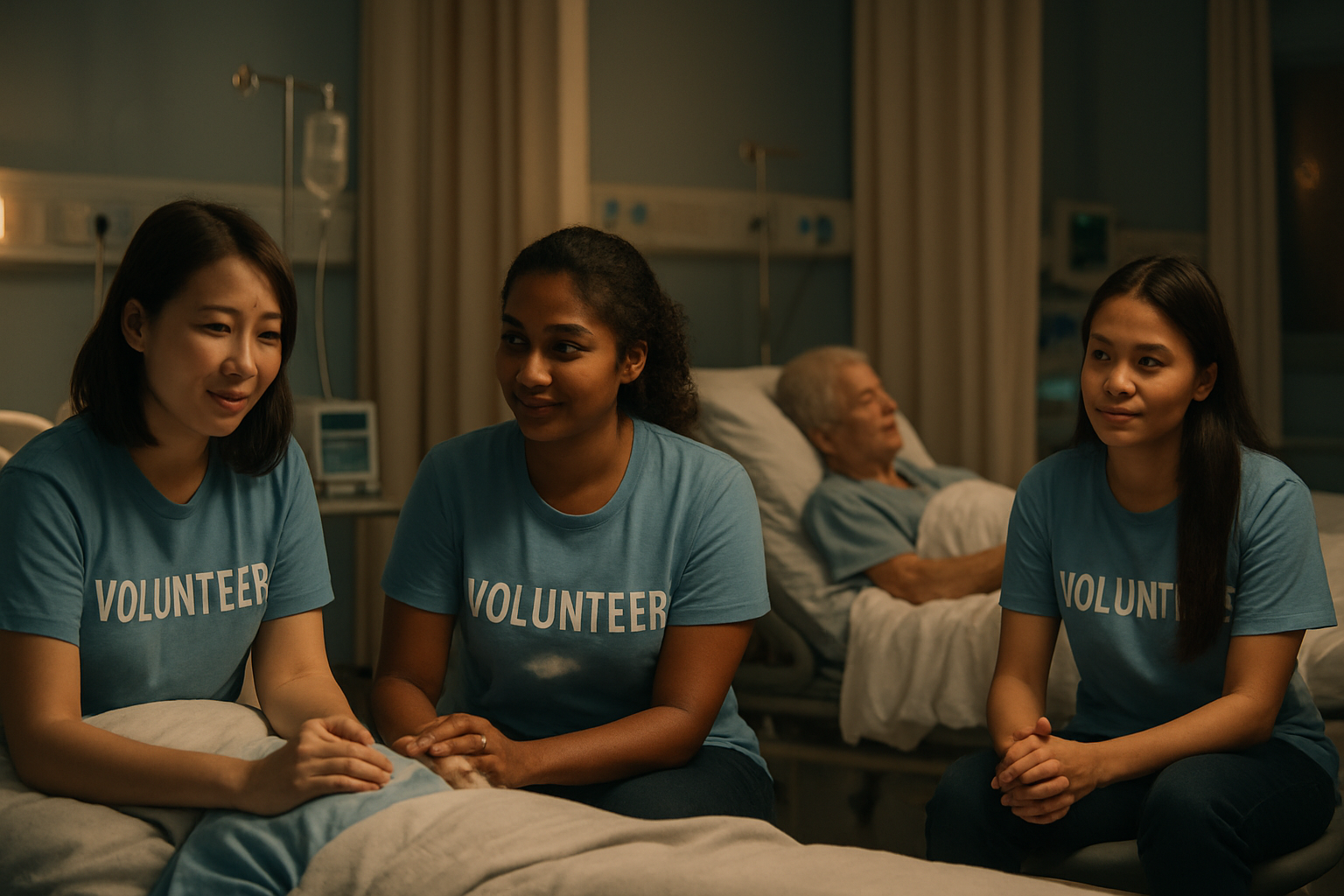
In the quiet corridors of Tan Tock Seng Hospital, while Singapore sleeps, three extraordinary women keep vigil through the night, ensuring that elderly patients never face the darkness alone.
A Singaporean retiree, an Indian national, and a Filipino domestic worker have chosen to sacrifice their sleep to participate in Tan Tock Seng Hospital's groundbreaking Night Sitters programme, providing companionship to elderly hospital patients during the most vulnerable hours of their care. Their dedication represents a profound embodiment of compassion that extends far beyond traditional healthcare delivery, addressing the psychological and emotional needs of patients when medical facilities are at their quietest.
The Human Heart of Healthcare Innovation
The Night Sitters programme exemplifies Singapore's sophisticated approach to healthcare that recognizes healing as more than medical intervention alone. While the global healthcare sector increasingly embraces technological solutions—from AI diagnostics to robotic surgery—this initiative demonstrates the enduring power of human presence in medical care.
"The experience has deepened their empathy," according to program observations, reflecting how volunteer service creates reciprocal benefits that strengthen both caregivers and care recipients. This aligns with the broader "Therapeutic Revolution of 2026," where healthcare systems worldwide are discovering that prevention-first approaches and community-centered care deliver superior outcomes compared to purely reactive treatment models.
Cultural Diversity as Healthcare Strength
The diverse backgrounds of these three women—representing Singapore's multicultural society—underscore how healthcare innovation benefits from varied perspectives and experiences. Their willingness to dedicate overnight hours demonstrates a level of commitment that transcends cultural and economic boundaries, united by a shared understanding of human dignity and compassion.
This volunteer model addresses a critical gap identified in healthcare systems globally. Recent international healthcare investigations have revealed that while medical technology advances rapidly, the human elements of care—psychological support, emotional comfort, social connection—remain fundamental to patient outcomes and recovery success.
Singapore's Healthcare Leadership Model
Singapore's healthcare system has consistently positioned itself at the forefront of medical innovation while maintaining strong human-centered approaches. The Night Sitters programme represents this balanced philosophy, addressing both the practical needs of patient supervision and the profound psychological importance of not being alone during illness.
This initiative occurs within Singapore's broader healthcare transformation, including the development of comprehensive menopause management guidelines at KK Women's and Children's Hospital as the nation prepares for becoming a super-aged society by 2030. The country's approach demonstrates how innovative healthcare solutions can address multiple demographic challenges simultaneously while preserving the essential human elements of medical care.
Global Context of Volunteer Healthcare Innovation
The Singapore program emerges during a period of unprecedented global healthcare innovation and cooperation. Despite funding challenges facing traditional multilateral health organizations like the WHO, bilateral partnerships and regional cooperation continue driving medical advancement through peer-to-peer knowledge sharing and collaborative program development.
International healthcare analysis reveals that prevention-focused strategies, like the Night Sitters program, demonstrate substantial economic benefits through decreased crisis intervention costs while achieving superior population health outcomes. Countries implementing comprehensive prevention and support programs report improved community resilience and reduced demand on emergency medical services.
Economic and Social Impact
Beyond the immediate benefits to patients, volunteer programs like Night Sitters create positive economic multiplier effects throughout healthcare systems. By reducing patient anxiety, improving sleep quality, and providing early intervention for complications, these volunteers help prevent more serious medical emergencies that would require expensive crisis interventions.
The program also demonstrates how diverse communities can contribute to healthcare delivery in meaningful ways that don't require extensive medical training but provide immense value. This model could be replicated across various healthcare settings globally, particularly as nations grapple with aging populations and increasing healthcare demands.
Implementation and Success Factors
The success of Singapore's Night Sitters programme reflects several critical elements that have been identified in successful healthcare innovation globally: sustained institutional commitment, comprehensive volunteer training and support, cultural sensitivity in program design, and integration with existing medical care protocols.
These factors align with broader success patterns observed in international healthcare transformation efforts, where effective programs demonstrate technology enhancing rather than replacing clinical judgment and human medical relationships. The program avoids what healthcare experts term the "wellness paradox"—where technological solutions inadvertently create healthcare inequality rather than improving access and outcomes for diverse populations.
Future Implications for Global Healthcare
As healthcare systems worldwide face unprecedented pressures from aging populations, climate change impacts, and resource constraints, the Singapore model provides a template for human-centered innovation that addresses multiple challenges simultaneously. The Night Sitters programme demonstrates how volunteer initiatives can strengthen healthcare delivery while building community resilience and social cohesion.
The international healthcare transformation observed throughout 2026 suggests that successful health systems will increasingly rely on comprehensive approaches that combine technological innovation with authentic human connections. Singapore's Night Sitters programme exemplifies this balance, showing how individual acts of compassion can scale into systematic improvements in healthcare quality and accessibility.
A Vision for Compassionate Healthcare
The three women volunteers of Tan Tock Seng Hospital's Night Sitters programme represent more than individual acts of kindness—they embody a vision of healthcare that recognizes the fundamental human need for connection and companionship during vulnerable moments. Their sacrifice of sleep to provide comfort to elderly patients demonstrates how healthcare innovation can honor both scientific excellence and human dignity.
As Singapore sleeps, these remarkable volunteers ensure that no patient faces the night alone, creating ripples of compassion that strengthen the entire healthcare ecosystem. Their example provides inspiration for healthcare systems globally, proving that the most profound medical innovations often come not from technology alone, but from the timeless human capacity for empathy and care.