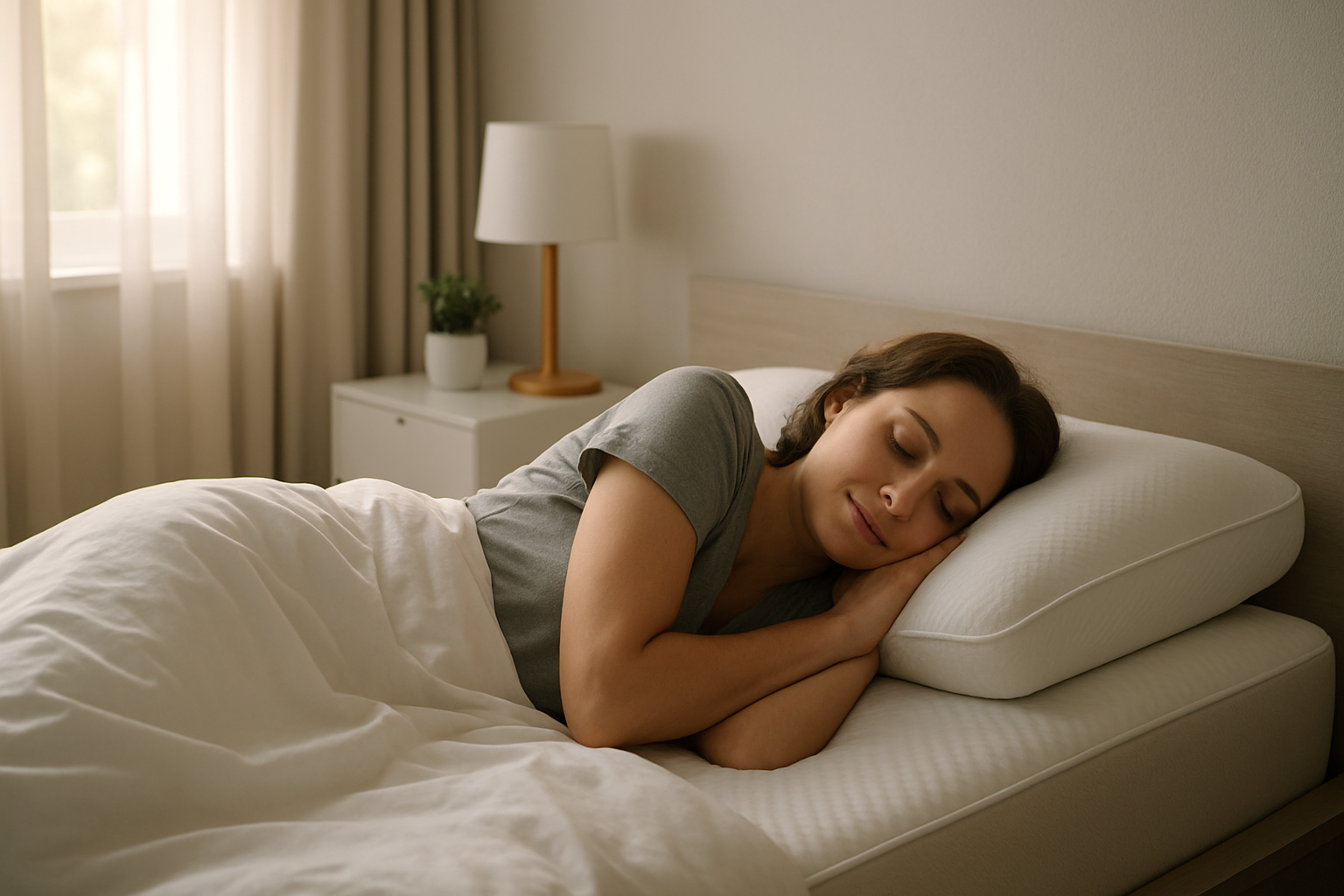
Waking up in pain doesn't have to be your daily reality. According to Singapore health experts, the three main sleep positions each have distinct advantages and disadvantages for your health, from reducing joint stiffness to preventing acid reflux and minimizing snoring.
As part of the global "Therapeutic Revolution of 2026," sleep medicine has emerged as a critical component of prevention-first healthcare approaches. Research consistently demonstrates that quality sleep serves as both a protective factor and early diagnostic indicator for various health conditions, making sleep optimization a cornerstone of modern wellness strategies.
The Science Behind Sleep Position and Health
Sleep positions directly affect multiple body systems throughout the night. Your sleeping posture influences spinal alignment, breathing patterns, circulation, and even digestive processes. Singapore sleep specialists emphasize that quality nighttime rest begins with strategic daytime habits, but the position you choose for those crucial 7-9 hours can make or break your recovery.
Recent Austrian neuroscience research reveals that humans have multiple distinct chronotypes beyond the traditional "night owl versus early bird" classification. This means forcing yourself into inappropriate sleep schedules may actually increase health risks rather than improve them. However, regardless of your natural sleep timing, proper positioning remains universally beneficial.
Back Sleeping: The Spinal Alignment Champion
Sleeping on your back provides optimal spinal alignment when done correctly. This position allows your head, neck, and spine to maintain their natural curves, potentially reducing back and neck pain that develops from poor nighttime posture.
"Back sleeping can significantly reduce pressure on joints and minimize facial wrinkles by avoiding contact with pillows,"
— Singapore Sleep Medicine Specialists
Benefits of back sleeping include:
- Optimal spinal alignment reducing back and neck strain
- Minimized facial contact with pillows, potentially reducing wrinkles
- Even weight distribution across the body
- Reduced joint compression
Drawbacks to consider:
- Increased snoring and sleep apnea symptoms
- Potential worsening of acid reflux
- Not recommended during pregnancy, especially later stages
- May worsen existing breathing difficulties
Side Sleeping: The Heart-Healthy Choice
Side sleeping, particularly on the left side, offers significant cardiovascular and digestive benefits. This position has gained recognition among health professionals for its role in improving circulation and reducing various health complications.
Left-side sleeping specifically helps with acid reflux by positioning the stomach below the esophagus, making it harder for stomach acid to travel upward. This position also improves circulation to the heart and can reduce snoring by keeping airways more open.
Advantages of side sleeping:
- Reduced acid reflux symptoms, especially when sleeping on the left side
- Improved circulation and heart health
- Decreased snoring and sleep apnea episodes
- Better lymphatic drainage for brain detoxification
- Safer position during pregnancy
Potential disadvantages:
- Increased pressure on the shoulder and hip
- Possible facial wrinkles from pillow contact
- May exacerbate jaw pain or TMJ disorders
- Risk of arm numbness if positioned incorrectly
Stomach Sleeping: The Controversial Position
Stomach sleeping remains the most controversial sleep position among health experts. While some people find it comfortable and report reduced snoring, the potential for spinal misalignment and neck strain makes it the least recommended position overall.
Limited benefits:
- May reduce snoring in some individuals
- Can help with some types of sleep apnea
- Personal comfort preference for some sleepers
Significant drawbacks:
- Neck strain from turning head to breathe
- Increased lower back stress and potential pain
- Pressure on internal organs
- Potential for numbness and tingling in extremities
- Difficult breathing for some individuals
Optimizing Your Sleep Position for Better Health
Singapore dermatologists and sleep specialists recommend several strategies to maximize the benefits of your preferred sleep position while minimizing potential drawbacks.
For Back Sleepers:
Use a thin pillow to maintain natural neck curvature, place a pillow under your knees to reduce lower back strain, and consider elevating your head slightly if you experience acid reflux. If snoring is an issue, you may need to explore alternative positions or consult a healthcare provider about potential sleep apnea.
For Side Sleepers:
Invest in a supportive pillow that maintains neck alignment, place a pillow between your knees to keep hips aligned, and ensure your mattress provides adequate support for your shoulder and hip. Consider switching sides periodically to avoid overuse of one side.
For Stomach Sleepers:
Use a very thin pillow or no pillow at all to reduce neck strain, place a thin pillow under your pelvis to support lower back alignment, and consider gradually transitioning to side sleeping for better long-term health outcomes.
The Broader Context of Sleep Health
Sleep position optimization represents just one component of the comprehensive sleep health strategies gaining prominence in 2026's prevention-first healthcare movement. Research demonstrates that strategic daytime preparation significantly influences nighttime sleep quality.
Key daytime factors include morning light exposure within the first hour of waking, strategic caffeine timing with last consumption before noon, and completing exercise at least four hours before bedtime. These practices help regulate circadian rhythms, making your chosen sleep position more effective.
"Quality sleep has emerged as a critical preventive health measure rather than a luxury, with sleep disturbances serving as early indicators for various health conditions requiring professional attention."
— Singapore Sleep Medicine Experts
When to Seek Professional Help
While adjusting sleep position can provide significant benefits, persistent morning pain, chronic sleep disruption, or worsening symptoms warrant professional evaluation. Sleep disorders affect millions worldwide, and early intervention can prevent more serious health complications.
Warning signs that require medical attention include chronic morning headaches, persistent joint stiffness despite position adjustments, loud snoring with breathing interruptions, and daytime fatigue despite adequate sleep duration.
Implementation Strategy for Better Sleep
Successfully changing sleep positions requires patience and gradual adjustment. Most people naturally shift positions throughout the night, so focus on your starting position and create supportive environments that encourage healthy positioning.
The therapeutic revolution of 2026 emphasizes gradual, sustainable changes over dramatic overhauls. Start with one modification—such as adding a knee pillow for side sleepers or using a thinner pillow for back sleepers—and allow your body time to adapt before making additional changes.
Remember that quality sleep serves as fundamental infrastructure for human health, comparable to nutrition and exercise. As healthcare systems worldwide shift toward prevention-first approaches, sleep optimization has emerged as one of the most cost-effective interventions for improving both individual health outcomes and community wellbeing.
By understanding how your sleep position affects your body and making informed adjustments, you can transform your nightly rest from a source of morning pain into a powerful tool for daily renewal and long-term health optimization.