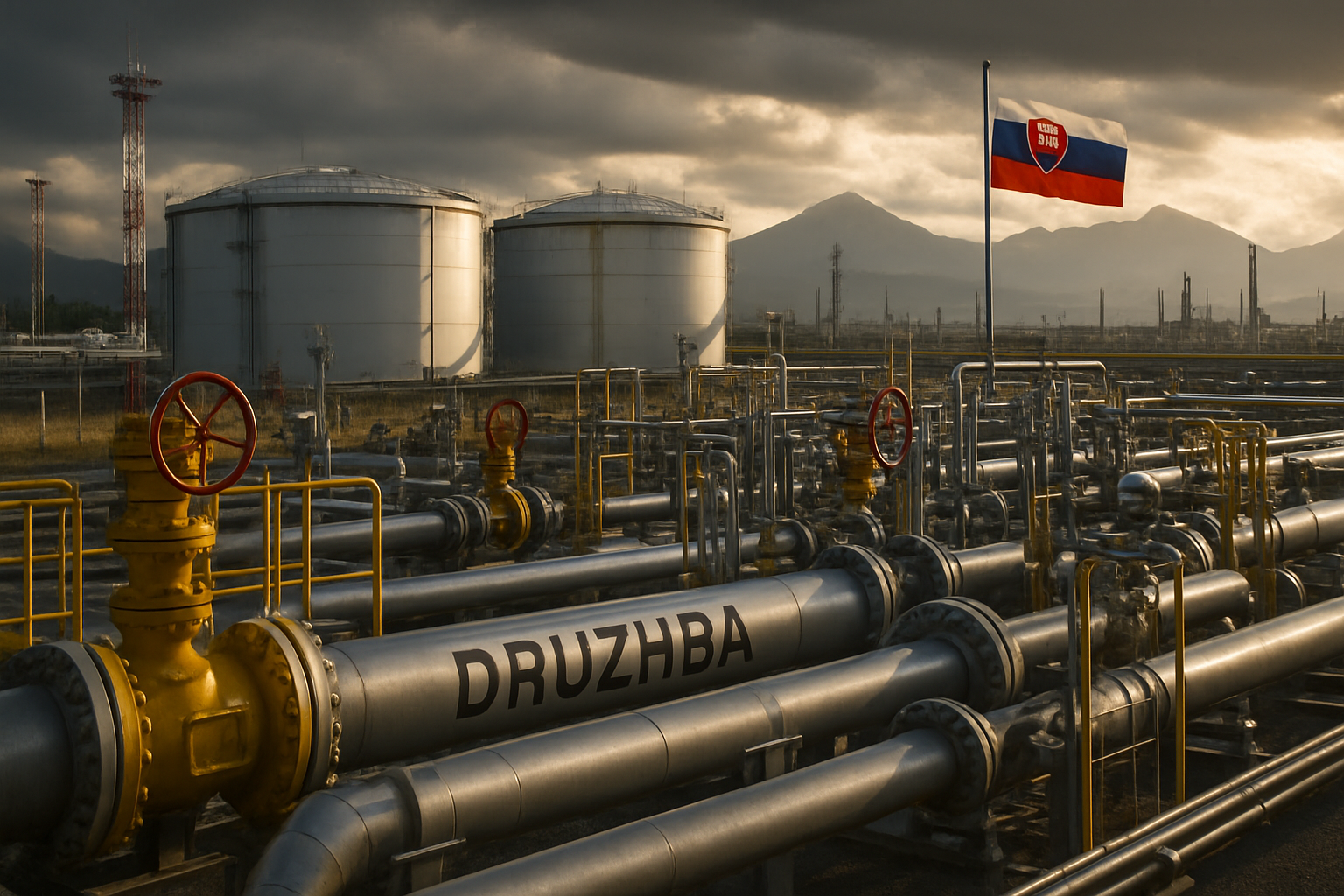
Slovakia is grappling with a critical energy supply crisis as oil deliveries through the vital Druzhba pipeline remain suspended, forcing the country to activate emergency protocols and explore alternative supply routes through Croatia while drawing on strategic reserves sufficient for 90 days.
The disruption of the Druzhba pipeline, one of Europe's longest oil transport systems stretching from Russia through several Eastern European countries, has left Slovakia and other regional nations scrambling to secure alternative energy sources. Slovak authorities confirmed that oil has not been flowing through the pipeline for several weeks, creating an urgent need for alternative supply arrangements.
Strategic Reserves and Emergency Planning
In response to the crisis, Slovak officials have emphasized that the country maintains strategic reserves of oil and petroleum products sufficient for approximately 90 days. The Ministry of Economy, working closely with international partners, has activated contingency plans to ensure domestic energy security while seeking long-term solutions to the supply disruption.
"Slovakia has strategic reserves of oil and petroleum products for approximately 90 days," confirmed government sources, providing some reassurance to markets and consumers concerned about potential shortages. However, the situation underscores the vulnerability of Central European nations to energy supply disruptions.
Croatian Route as Alternative Solution
As part of efforts to diversify supply sources, Slovak authorities are actively negotiating alternative delivery routes, with Croatia emerging as a key potential partner. The Croatian route would provide access to Mediterranean supply chains and reduce dependence on the disrupted Druzhba system.
The discussions with Croatian partners represent part of a broader strategy to establish multiple supply corridors, ensuring greater energy security for Slovakia in the future. This approach aligns with European Union directives encouraging member states to diversify their energy sources and reduce dependence on single supply routes.
Broader European Energy Context
Slovakia's energy challenges occur within a complex European energy landscape marked by significant disruptions and strategic realignments. Recent analysis of European energy markets reveals widespread vulnerabilities, with natural gas prices surging 24% across Europe and oil markets experiencing volatility due to geopolitical tensions.
The European energy crisis has been exacerbated by systematic disruptions to critical infrastructure, including attacks on energy facilities in neighboring Ukraine. These developments have highlighted the interconnected nature of European energy systems and the need for enhanced coordination among EU member states.
"The situation demonstrates the critical importance of energy security cooperation within the European Union and the need for robust alternative supply mechanisms."
— Energy Security Analyst
Regional Impact and Cooperation
The Druzhba pipeline disruption affects not only Slovakia but also other Central European nations dependent on this critical energy artery. Hungary and other regional partners have similarly been forced to activate strategic reserves and explore alternative supply arrangements.
The crisis has prompted increased cooperation among affected nations, with joint efforts to negotiate with potential suppliers and coordinate emergency response measures. This collaborative approach reflects the shared vulnerability of landlocked Central European countries to energy supply disruptions.
Economic and Consumer Impact
While Slovakia's strategic reserves provide a buffer against immediate shortages, the disruption has implications for energy costs and economic stability. The government has emphasized that consumer supplies remain secure, but officials are monitoring the situation closely to prevent any impact on heating, transportation, and industrial operations.
The energy ministry has been working to ensure that essential services, including hospitals, schools, and critical infrastructure, maintain uninterrupted energy supplies throughout the crisis period.
Long-term Energy Security Strategy
The current crisis has accelerated Slovak discussions about long-term energy security strategies, including investments in renewable energy sources and enhanced storage capacity. Government officials have indicated that the experience will inform future energy policy decisions and infrastructure investments.
Slovakia's approach to the crisis reflects broader European efforts to build energy resilience through diversification, strategic reserves, and enhanced regional cooperation. The country's 90-day reserve capacity demonstrates the value of maintaining substantial strategic stockpiles.
International Support and EU Coordination
The European Union has been monitoring the situation closely, with Brussels emphasizing support for affected member states through emergency coordination mechanisms. EU energy officials have praised Slovakia's preparedness and strategic reserve management while encouraging continued cooperation among affected nations.
The crisis has also highlighted the importance of EU energy security initiatives, including efforts to diversify supply sources and reduce dependence on single pipeline systems. These initiatives have gained renewed urgency as European nations confront the realities of energy supply vulnerabilities.
Looking Forward
As Slovakia continues to navigate this energy supply challenge, officials remain focused on securing alternative supply routes while maintaining consumer confidence through transparent communication about reserve levels and contingency planning. The Croatian route negotiations represent a promising development in efforts to establish reliable alternative supply mechanisms.
The situation serves as a reminder of the critical importance of energy security in modern European politics and economics. Slovakia's response, characterized by strategic reserve utilization and proactive alternative sourcing, provides a model for other nations facing similar challenges in an increasingly complex energy landscape.
The coming weeks will be crucial for Slovakia as authorities work to finalize alternative supply arrangements and ensure continued energy security for the country's 5.4 million residents and vital industrial sectors.