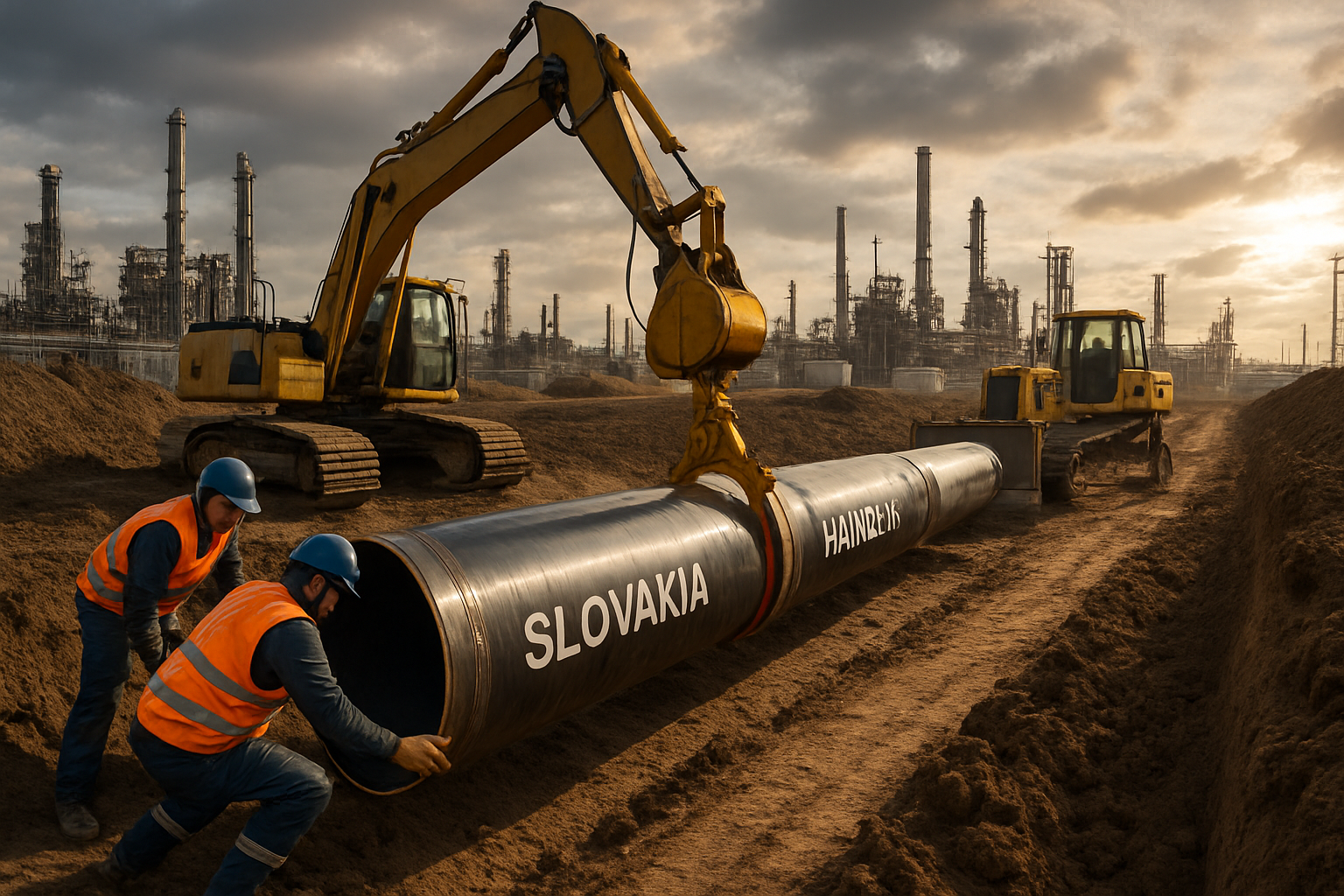
Slovakia and Hungary are advancing plans for a direct oil pipeline connection between refineries in Bratislava and Százhalombatta, marking a significant step toward reducing Central European energy dependence on Ukrainian transit routes, while the popular Donovaly ski resort prepares for a summer transformation with international expertise from Austria and Canada.
The pipeline initiative represents a crucial infrastructure development for both countries as they seek to enhance energy security following months of disruption to the Druzhba pipeline system. The proposed connection would link Slovakia's Slovnaft refinery in Bratislava with Hungary's MOL refinery in Százhalombatte, creating a direct supply route that bypasses traditional transit dependencies.
Energy Security Takes Center Stage
The pipeline project emerges against the backdrop of Slovakia's ongoing energy crisis that has dominated headlines since early 2026. Slovakia declared a state of oil emergency in February, deploying 250,000 tons from strategic reserves to maintain operations at the Slovnaft Bratislava refinery during Druzhba pipeline disruptions that began in January.
Recent months have seen Slovakia and Hungary navigate complex energy challenges, including the suspension of diesel exports to Ukraine as both countries prioritized domestic supply security. The new pipeline connection would provide critical diversification from the existing Druzhba route, which has proven vulnerable to geopolitical tensions and infrastructure attacks.
"This direct connection represents a fundamental shift in our energy security strategy, moving from single-source dependence to diversified supply networks that ensure stability for our citizens and industries."
— Energy Infrastructure Analyst, Central European Research Institute
The timing of this infrastructure announcement coincides with broader European efforts to strengthen energy independence. Slovakia and Hungary remain among the few EU countries still dependent on Russian oil under special exemptions, creating ongoing vulnerabilities that the new pipeline aims to address.
Technical and Economic Considerations
Engineering assessments for the Slovakia-Hungary pipeline connection indicate the project could provide a more cost-effective and shorter route compared to alternative Mediterranean supply chains currently under negotiation with Croatia. The direct connection would reduce transportation costs and improve supply reliability for both nations' refining operations.
The pipeline project builds on existing cooperation frameworks between Slovak and Hungarian energy authorities, who have coordinated response strategies during recent supply disruptions. Both countries have actively pursued EU exemption requests and alternative sourcing arrangements while maintaining their strategic energy partnerships.
Financial analysts project the pipeline infrastructure investment could provide long-term economic benefits beyond immediate energy security, potentially positioning both countries as more attractive locations for energy-intensive industries seeking stable supply guarantees.
Donovaly Resort's Summer Strategy
Parallel to these energy infrastructure developments, Slovakia's tourism sector is showcasing innovation through Donovaly resort's summer transformation initiative. The popular ski destination is preparing to launch a comprehensive mountain biking park, leveraging expertise from Austrian and Canadian specialists in outdoor recreation development.
The Donovaly project represents a strategic shift for Slovak mountain resorts seeking to extend operational seasons beyond traditional winter sports. International collaboration with Austrian Alpine resort specialists and Canadian outdoor recreation experts indicates the ambitious scope of the summer facility development.

The mountain biking park development aligns with broader trends in Central European tourism, where destinations are diversifying offerings to capture year-round visitor revenue. Austrian consultants bring expertise from Alpine resort management, while Canadian specialists contribute knowledge from North American mountain biking destination development.
Infrastructure Investment Patterns
Both the pipeline project and resort development reflect broader infrastructure investment patterns across Central Europe, where governments and private sectors are prioritizing projects that enhance economic resilience and competitive positioning. The energy and tourism sectors represent key areas where strategic investments can provide long-term benefits beyond immediate operational improvements.
Slovakia's approach demonstrates coordination between essential infrastructure needs and economic diversification objectives. The country's experience managing energy supply challenges while maintaining tourism sector development illustrates adaptive capacity in responding to multiple priorities simultaneously.
"These parallel developments in energy infrastructure and tourism diversification show how countries can address security needs while building future economic opportunities."
— Dr. Maria Novakova, European Development Economics Institute
Regional Cooperation Models
The Slovakia-Hungary pipeline collaboration exemplifies emerging Central European cooperation models where neighboring countries address shared challenges through bilateral infrastructure projects. This approach provides alternatives to broader multilateral frameworks that may face political complications or extended negotiation timelines.
Similar cooperation patterns are evident in the Donovaly resort's international partnerships, where Austrian and Canadian expertise supplements Slovak development capabilities. These arrangements demonstrate how countries can access specialized knowledge while maintaining project ownership and local economic benefits.
Regional development experts note that both projects leverage existing relationships and complementary capabilities rather than attempting to develop all required expertise domestically. This collaborative approach may provide templates for other Central European development initiatives facing similar resource constraints.
Economic Impact Projections
Economic analysts project significant benefits from both infrastructure developments. The oil pipeline connection could reduce energy costs for Slovak and Hungarian industries while providing supply security that attracts additional investment. The project's completion timeline remains under discussion, with both governments prioritizing technical feasibility assessments and environmental impact reviews.
The Donovaly summer transformation represents a smaller but symbolically important investment in Slovakia's tourism competitiveness. Mountain biking tourism has shown consistent growth across Central Europe, with professional trail development potentially attracting international visitors during peak summer months when accommodation and service capacity is underutilized.
Tourism industry experts estimate that successful summer season extension could increase annual resort revenue by 30-40%, providing economic benefits for local communities that depend heavily on seasonal employment patterns. The project's success may influence similar initiatives at other Slovak mountain destinations.
Implementation Challenges and Opportunities
Both projects face distinct implementation challenges requiring careful management. The pipeline connection involves complex regulatory approvals, environmental assessments, and coordination between national energy authorities. Technical specifications must ensure compatibility with existing refinery infrastructure while meeting European Union environmental and safety standards.
The Donovaly resort development faces different challenges related to seasonal construction timelines, environmental protection requirements in mountain regions, and coordination with international consultants working across multiple regulatory frameworks. Weather conditions and ecological considerations will influence project scheduling and design specifications.
However, both initiatives benefit from strong government support and established international partnerships that provide technical expertise and financial resources. Slovakia's experience managing complex infrastructure projects during challenging economic conditions positions the country well for successful implementation of both developments.
Future Implications
The success of these parallel infrastructure developments could establish templates for other Central European countries facing similar energy security challenges and economic diversification needs. The combination of essential infrastructure investment with tourism sector development demonstrates comprehensive approaches to enhancing national competitiveness.
Energy security experts note that the Slovakia-Hungary pipeline project, if successful, may encourage similar bilateral infrastructure initiatives among other EU countries seeking to reduce dependence on vulnerable supply routes. This could accelerate European energy network diversification beyond existing multilateral frameworks.
For Slovakia's tourism sector, the Donovaly project's international collaboration model could attract additional partnerships with Austrian and Canadian resort development companies, potentially leading to broader modernization of the country's mountain tourism infrastructure.
"These projects represent Slovakia's strategic thinking about long-term competitiveness, combining immediate security needs with future economic opportunities through international cooperation."
— Professor Jan Krejci, Central European Strategic Studies
As Slovakia continues to navigate complex energy security challenges while building economic resilience, these infrastructure developments demonstrate the country's commitment to addressing immediate needs while positioning for future growth opportunities through strategic international partnerships and innovative development approaches.