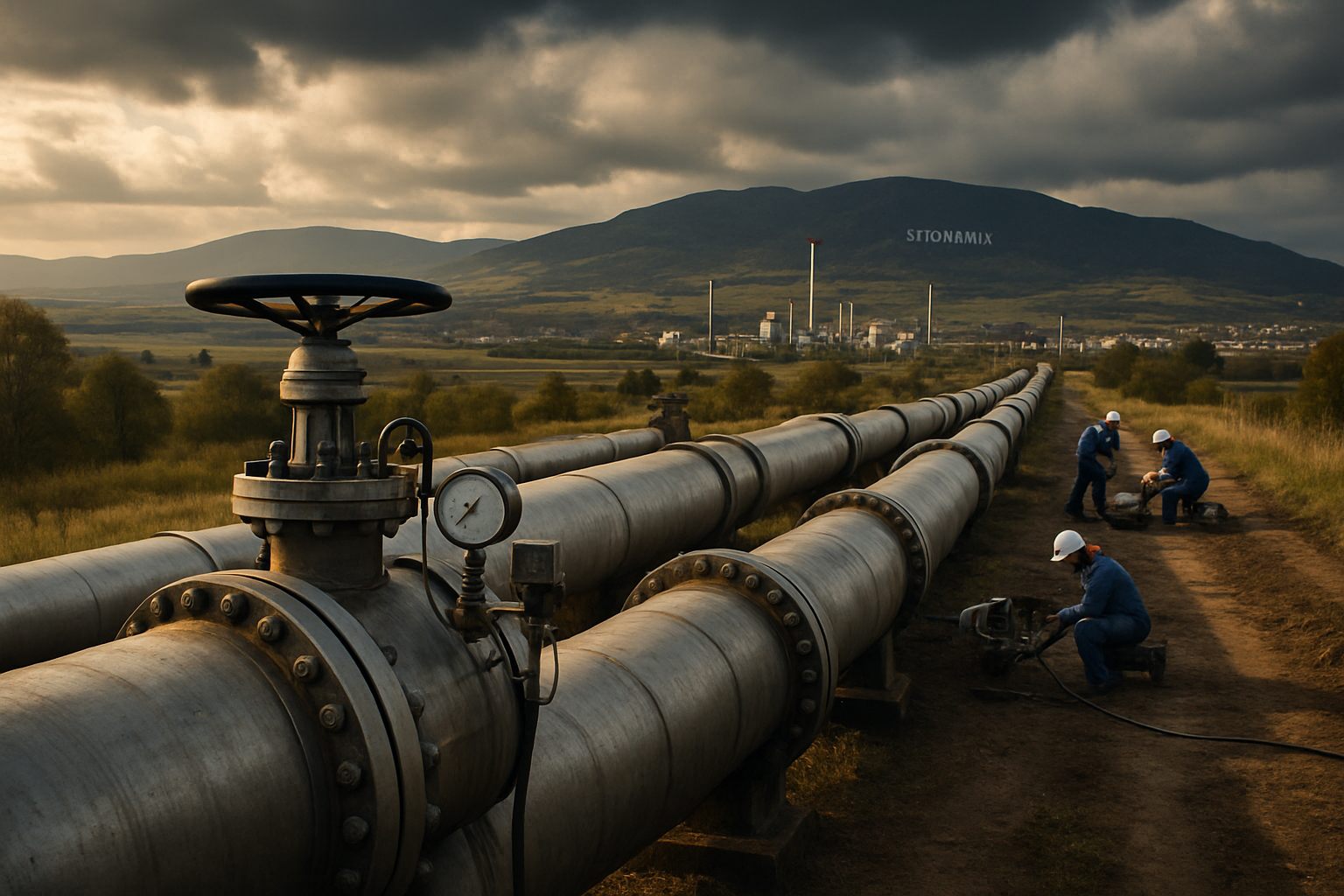
Slovakia's state-owned pipeline operator Transpetrol has received an updated schedule pushing the restoration of the critical Druzhba oil pipeline to March 4th, 2026, marking yet another delay in resolving the country's most serious energy supply crisis in decades.
The announcement, reported by Slovak financial newspaper TREND, represents the latest setback in efforts to restore oil deliveries through the pipeline that has been offline since late January. The delay extends Slovakia's reliance on emergency strategic petroleum reserves and alternative supply arrangements, while exposing the country's vulnerability to geopolitical energy disruptions.
Pipeline Crisis Deepens European Energy Tensions
The Druzhba ("Friendship") pipeline disruption has become a focal point of broader European energy security concerns, with Slovakia and Hungary remaining the only EU countries still dependent on Russian oil under special sanctions exemptions. The pipeline's extended outage has forced both nations to tap strategic reserves while pursuing alternative supply routes through Croatia and other Mediterranean partners.
According to multiple sources, the pipeline has been offline since January 27th, with conflicting explanations for the disruption. Ukraine maintains the infrastructure was damaged during Russian drone attacks requiring extensive repairs, while Slovakia and Hungary have accused Kyiv of deliberately manipulating supply as a "political blackmail" tactic during ongoing diplomatic tensions.
Strategic Reserves Under Pressure
Slovakia declared a state of oil emergency on February 18th, releasing 250,000 tons from strategic reserves to supply the Slovnaft Bratislava refinery—representing approximately one month of operational capacity. The country has also suspended diesel exports to Ukraine, prioritizing domestic supply security as the crisis extends into its second month.
The extended timeline to March 4th means Slovakia will have operated on emergency reserves for over five weeks, testing the resilience of the country's energy security framework. Industry analysts warn that prolonged reliance on strategic reserves without pipeline restoration could force difficult choices about fuel allocation and industrial operations.
Regional Energy Coordination Efforts
Slovak officials have been working intensively with Croatian counterparts to establish alternative Mediterranean supply routes, though these arrangements require significant lead time and higher transportation costs. The Adria pipeline has been identified as a potentially shorter and more cost-effective alternative to traditional Druzhba routing, according to recent discussions between Bratislava and Budapest.
The crisis has accelerated regional energy cooperation discussions, with Hungary facing similar supply pressures and pursuing parallel emergency measures. Both countries have requested special exemptions from EU Russian oil restrictions, highlighting the complex intersection of energy security and sanctions policy in Central Europe.
Broader European Energy Vulnerability
The Druzhba pipeline crisis occurs against a backdrop of unprecedented European energy challenges. Natural gas prices have surged 24% across Europe, while the Middle East crisis threatening the Strait of Hormuz has pushed oil prices toward $80 per barrel. The combination of supply disruptions and geopolitical tensions has exposed the continent's continued dependence on critical energy infrastructure chokepoints.
European officials acknowledge that the Slovakia-Hungary oil crisis demonstrates the importance of strategic reserve management and alternative supply sourcing during infrastructure vulnerabilities. The situation has become a test case for European energy crisis management mechanisms and regional coordination frameworks.
Political and Diplomatic Implications
The extended pipeline outage has intensified political tensions between Slovakia and Ukraine, with Slovak Prime Minister Robert Fico previously threatening to cut emergency electricity supplies to Ukraine unless oil transit resumed. These tensions have created some of the deepest EU divisions since the Ukraine conflict began, testing European solidarity mechanisms during wartime conditions.
Opposition politician Lucia Saková has expressed skepticism about the latest restoration timeline, reflecting broader concerns about the reliability of supply restoration commitments. The repeated delays have undermined confidence in technical solutions while highlighting the political dimensions of energy infrastructure disputes.
Economic and Industrial Impact
The crisis affects Slovakia's entire energy-dependent industrial sector, from petrochemicals to transportation. The Slovnaft refinery, a critical component of Slovakia's energy infrastructure, has been operating on strategic reserve supplies while pursuing alternative crude oil sourcing arrangements.
Economists warn that extended pipeline disruptions could affect Slovakia's economic competitiveness, particularly in energy-intensive industries. The higher costs associated with alternative supply routes and emergency measures are likely to be reflected in broader economic performance if the crisis extends beyond March.
Looking Ahead: March 4th Deadline
The March 4th restoration target represents a critical milestone for Slovakia's energy security, but skepticism remains high given previous delays. Technical experts note that pipeline restoration requires not just physical repairs but also complex coordination between multiple national operators and regulatory authorities.
Success in meeting the March 4th deadline would provide immediate relief for Slovakia's energy supply situation and reduce pressure on strategic reserves. However, the experience has already prompted discussions about long-term energy diversification strategies and infrastructure resilience planning to prevent similar crises.
The Druzhba pipeline crisis has become emblematic of broader European energy security challenges during a period of unprecedented geopolitical tensions. As Slovakia awaits the March 4th restoration deadline, the outcome will influence European approaches to energy infrastructure protection, strategic reserve management, and regional cooperation mechanisms for decades to come.