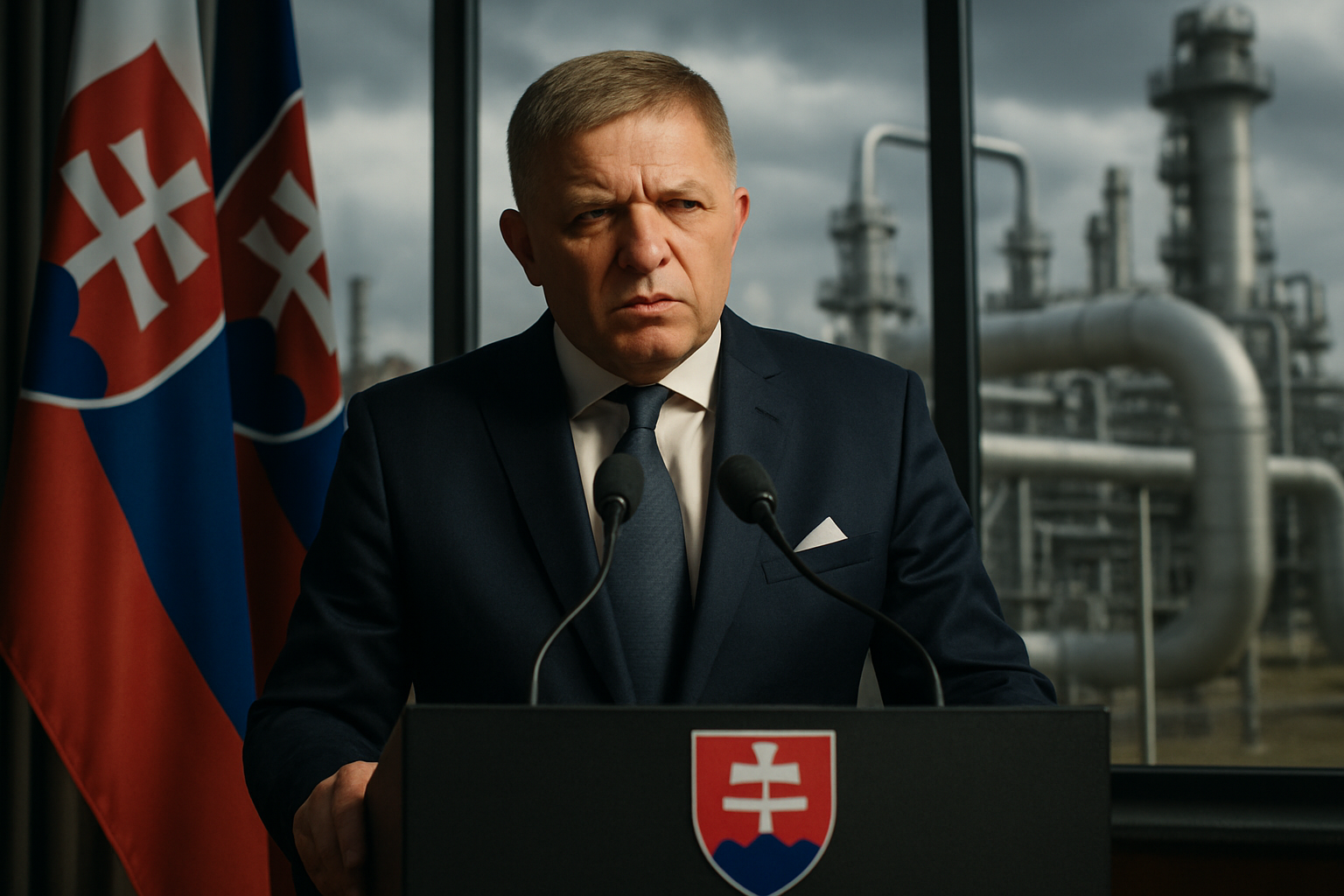
Slovak Prime Minister Robert Fico delivered a stark two-day ultimatum to Ukraine on Saturday, threatening to cut off emergency electricity supplies unless Kyiv immediately restores Russian oil transit through the Soviet-era Druzhba pipeline, which has been disrupted for nearly a month.
The dramatic escalation in Central European energy tensions comes as Slovakia, along with Hungary, remains one of only two EU countries still heavily dependent on Russian oil delivered via Ukraine's territory. Both nations maintain leaders who have cultivated close relationships with Moscow, bucking the broader European consensus supporting Ukraine.
The Druzhba Pipeline Crisis
Russian oil flows through the main Druzhba pipeline have been severed since January 27, when Ukraine reports a Russian drone strike damaged critical pipeline equipment in western Ukraine. The disruption has forced Slovakia and Hungary to become increasingly vocal in their demands for transit resumption, creating a significant diplomatic rift with their EU partners.
Slovakia has declared a state of oil emergency, releasing 250,000 tons from strategic reserves to supply the Slovnaft Bratislava refinery - providing approximately one month of operational capacity. The country has suspended diesel exports to Ukraine, prioritizing domestic supply while pursuing alternative routes through Croatia for Mediterranean access.
"If Ukraine does not resume oil deliveries to Slovakia by Monday, I will ask relevant Slovak companies to interrupt emergency electricity supplies to Ukraine."
— Robert Fico, Slovak Prime Minister
Energy Interdependence Weaponized
Slovakia serves as a major source of European electricity for Ukraine, particularly crucial as Russian attacks have systematically damaged Ukraine's power grid throughout the winter months. Energy sector experts indicate Slovakia provides significant emergency power support that Ukraine desperately needs during the ongoing conflict.
The threat represents a dangerous weaponization of energy interdependence, coming at a time when Ukraine faces severe infrastructure challenges. Over 1,170 Kyiv buildings remain without heating during sub-zero temperatures, and Ukrainian nuclear plants were recently forced to halt electricity production for the first time since the conflict began.
Hungary has simultaneously announced it will block the EU's historic €90 billion loan package to Ukraine until oil transit resumes, with Foreign Minister Péter Szijjártó accusing Ukraine of "blackmailing" Hungary by failing to restart shipments.
Technical and Political Disputes
The pipeline dispute centers on competing narratives about the supply disruption. Ukraine maintains that Russian missile strikes on January 27 damaged essential pipeline infrastructure in western regions, requiring significant repairs before operations can resume safely.
Slovakia and Hungary, however, echo Moscow's position that Ukraine is deliberately manipulating energy supplies as a political weapon. This alignment with Russian talking points has drawn criticism from other EU members and highlights the complex divisions within the European Union over energy policy and sanctions enforcement.
Russia continues to provide oil to Slovakia and Hungary under special EU exemptions, making these countries vulnerable to supply disruptions and political pressure from both Moscow and Kyiv.
Broader European Energy Security
The crisis illuminates fundamental vulnerabilities in Central European energy architecture that persist despite years of diversification efforts. Natural gas prices have surged 24% across Europe amid winter demand and supply constraints, while the ongoing conflict continues to disrupt traditional energy flows.
Croatia has offered conditional assistance for alternative Mediterranean supply routes, but only for non-Russian crude sources, highlighting the geopolitical complexities surrounding energy partnerships in the current environment.
The dispute occurs against the backdrop of broader European energy challenges, including systematic Russian attacks on Ukrainian energy infrastructure as part of what officials describe as a "winter weapon" strategy targeting civilian facilities during extreme cold.
International Response and Implications
The Slovak ultimatum has drawn concern from European partners who view the electricity threat as potentially undermining EU solidarity with Ukraine during a critical phase of the conflict. The timing is particularly sensitive as Geneva peace talks between Ukraine, Russia, and the United States have shown recent progress, including a historic prisoner exchange and restored military communications.
Slovakia's position reflects broader tensions within the EU between national energy security interests and collective support for Ukraine. The country's refusal to participate in the €90 billion EU loan package, alongside Hungary and Czech Republic, demonstrates persistent divisions within the European bloc.
Energy experts warn that such bilateral energy disputes could set dangerous precedents for using essential infrastructure as diplomatic leverage, potentially undermining the stability of European energy markets and political relationships.
Ukraine's Strategic Response
Ukrainian officials have proposed alternative solutions, including the potential use of the Odesa-Brody pipeline system to replace damaged Druzhba infrastructure. However, these alternatives would require significant time and investment to implement effectively.
The electricity threat comes at a particularly vulnerable moment for Ukraine, as the country faces continued Russian attacks on its power generation and distribution systems. Over 17.8 million Ukrainians are currently accessing winter support programs due to infrastructure damage caused by systematic targeting of civilian facilities.
Ukraine maintains that pipeline repairs are progressing but require additional time to ensure safe operations. The country argues that rushing restoration without proper safety measures could lead to more serious disruptions or environmental damage.
Future Implications
The Slovak ultimatum represents a critical test of European energy solidarity and conflict resolution mechanisms. The outcome could influence how similar disputes are handled in the future and affect the broader European approach to energy security during wartime conditions.
As the two-day deadline approaches, diplomatic efforts are intensifying to find face-saving solutions that address Slovak energy security concerns while avoiding the weaponization of essential infrastructure. The resolution of this crisis will likely influence broader EU policy on energy independence and member state obligations during international conflicts.
The dispute underscores the complex challenges facing European leaders as they attempt to balance national interests, energy security, humanitarian obligations, and geopolitical solidarity in an increasingly fractured international environment.