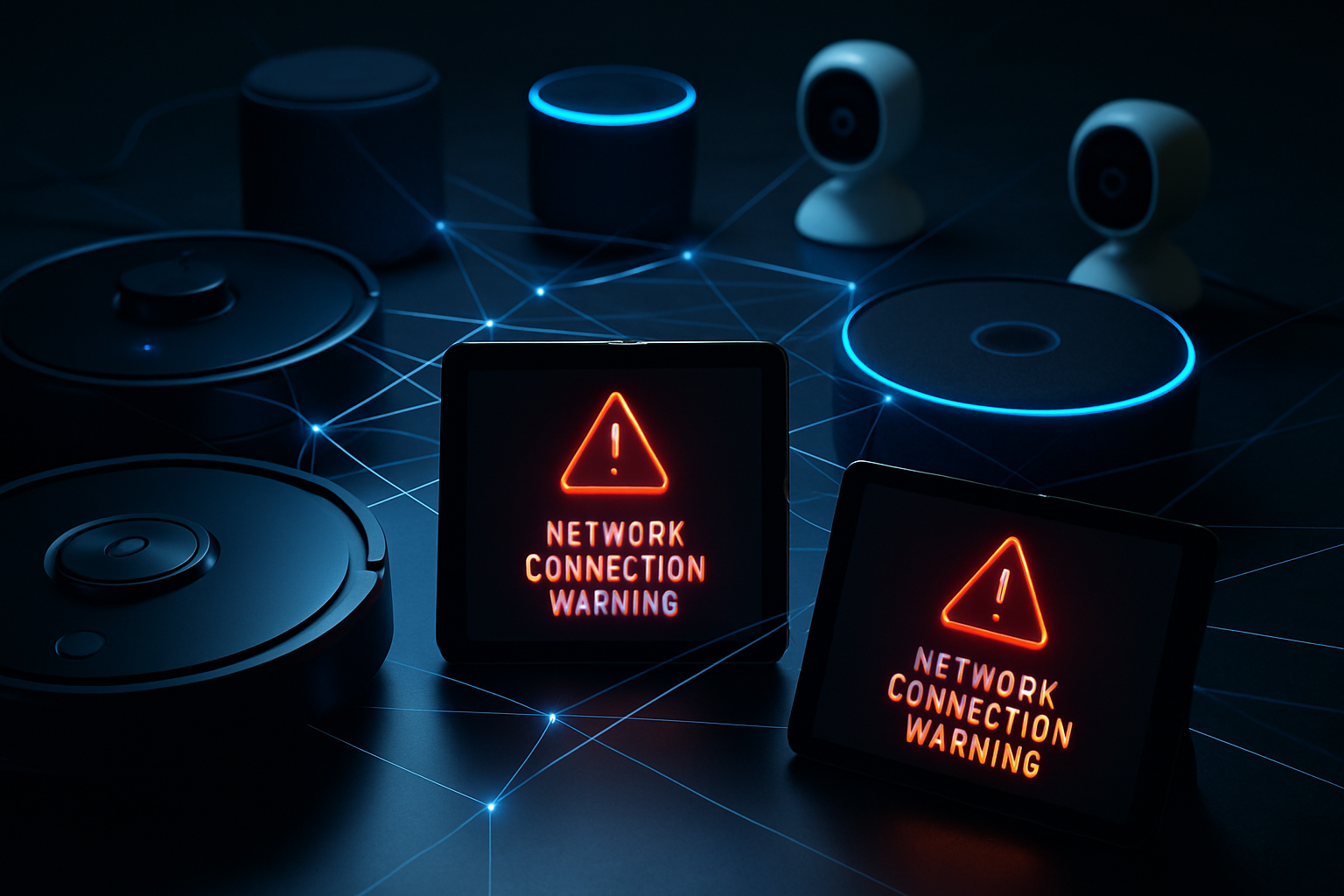
Cybersecurity threats have escalated beyond traditional computers and smartphones, with hackers now systematically targeting smart home devices like robot vacuums to infiltrate entire household networks and access sensitive personal information.
According to recent security reports from Russia's leading cybersecurity monitoring agencies, malicious actors have developed sophisticated techniques to compromise internet-connected household appliances, using them as entry points to breach home Wi-Fi networks and access other connected devices including security cameras, smart speakers, and personal computers.
The Robot Vacuum Vulnerability
Robot vacuums have emerged as particularly attractive targets for cybercriminals due to their combination of weak security protocols and privileged network access. These devices typically connect to home Wi-Fi networks with minimal encryption, creating what security experts describe as "digital back doors" into households.
"Smart vacuum cleaners often ship with default passwords and inadequate firmware protection," explains Dr. Elena Komarova, a cybersecurity researcher at Moscow's Institute of Information Security Problems. "Once compromised, they provide hackers with a foothold inside the home network that can be exploited to access more valuable targets."
The attack methodology involves scanning for vulnerable smart home devices across internet-connected networks, then exploiting known security flaws to gain initial access. From this beachhead, hackers can map the entire home network, identify high-value targets like computers containing financial information, and establish persistent access for ongoing surveillance or data theft.
Expanding Attack Surface
The proliferation of Internet of Things (IoT) devices in homes has dramatically expanded the potential attack surface for cybercriminals. Security researchers have identified vulnerabilities in numerous categories of smart home equipment beyond robot vacuums, including:
- Smart thermostats with web-based control interfaces
- Internet-connected security cameras with default credentials
- Voice-activated assistants with always-listening capabilities
- Smart door locks with Bluetooth and Wi-Fi connectivity
- Connected kitchen appliances including refrigerators and coffee makers
Each compromised device can serve as a stepping stone to more sensitive systems within the home network, creating cascading security failures that traditional antivirus software cannot detect or prevent.
Global Cybersecurity Crisis Context
These smart home targeting campaigns occur within a broader escalation of cybersecurity threats worldwide. Recent intelligence reports indicate a 20.6% surge in cyber incidents globally, with attackers increasingly focusing on consumer IoT devices as traditional security measures improve on computers and smartphones.
European cybersecurity agencies have documented massive data breaches affecting millions of consumers, including a telecommunications provider hack in the Netherlands that exposed personal data for 6.2 million people. These incidents demonstrate how consumer technology vulnerabilities can scale into national security concerns affecting critical infrastructure and democratic institutions.
"Personal data has become the currency of the digital age, and smart home devices represent unguarded vaults that criminals are systematically emptying."
— Maria Christofidou, Cyprus Personal Data Protection Commissioner
Advanced Persistent Threats
Intelligence analysts have identified increasingly sophisticated attack patterns targeting smart home networks. Advanced persistent threat (APT) groups are deploying custom malware specifically designed for IoT devices, enabling long-term surveillance and data collection that can remain undetected for months or years.
These campaigns often begin with automated scanning tools that identify vulnerable devices across residential internet connections. Once initial access is achieved through devices like robot vacuums, attackers install specialized firmware that maintains persistence even through device reboots and software updates.
The harvested information includes personal schedules derived from vacuum cleaning patterns, home occupancy data from connected security systems, private conversations captured by smart speakers, and financial information accessed from connected computers and mobile devices.
International Response and Countermeasures
Governments worldwide are implementing enhanced cybersecurity frameworks to address IoT vulnerabilities. The European Union has introduced criminal liability measures for technology executives whose products fail to meet security standards, while Asian nations are emphasizing consumer education and parental responsibility approaches.
However, the global memory crisis affecting semiconductor production has complicated the deployment of security-enhanced IoT devices, with prices surging sixfold across major manufacturers like Samsung, SK Hynix, and Micron. This supply chain disruption is delaying the rollout of more secure smart home devices until at least 2027.
Industry Security Initiatives
Major technology companies are responding to the threat by implementing mandatory security features for IoT devices, including:
- Automatic firmware updates with cryptographic verification
- Mandatory password changes during initial device setup
- Network segmentation capabilities to isolate IoT devices
- Enhanced encryption protocols for device-to-cloud communications
- Regular security audits and vulnerability disclosure programs
Consumer Protection Strategies
Cybersecurity experts recommend immediate protective measures for households with smart home devices. Priority actions include changing default passwords on all connected devices, enabling automatic security updates where available, and implementing network segmentation to isolate IoT devices from computers containing sensitive information.
Advanced users should consider deploying dedicated IoT network segments, monitoring network traffic for suspicious patterns, and regularly auditing connected devices for unauthorized access attempts. Consumer advocacy groups also recommend purchasing smart home devices only from manufacturers with established security track records and active vulnerability response programs.
The emergence of AI-powered threat detection systems offers promise for automated protection, but the same artificial intelligence technologies are being weaponized by attackers to create more sophisticated infiltration methods, creating an escalating technological arms race in home network security.
Future Implications
As smart home adoption accelerates worldwide, the robot vacuum hacking phenomenon represents a preview of larger cybersecurity challenges facing connected societies. The integration of artificial intelligence, voice recognition, and biometric sensors in household devices will create unprecedented opportunities for surveillance and privacy violations if security measures do not keep pace with technological advancement.
International cooperation frameworks are being developed to address cross-border cybercrime targeting consumer IoT devices, but success depends on unprecedented coordination between law enforcement agencies, technology companies, and regulatory authorities across multiple jurisdictions.
The stakes extend beyond individual privacy violations to encompass national security concerns, as compromised smart home networks can serve as launching points for attacks against critical infrastructure, government systems, and democratic institutions. The robot vacuum in today's living room may become tomorrow's gateway for sophisticated state-sponsored cyber operations.